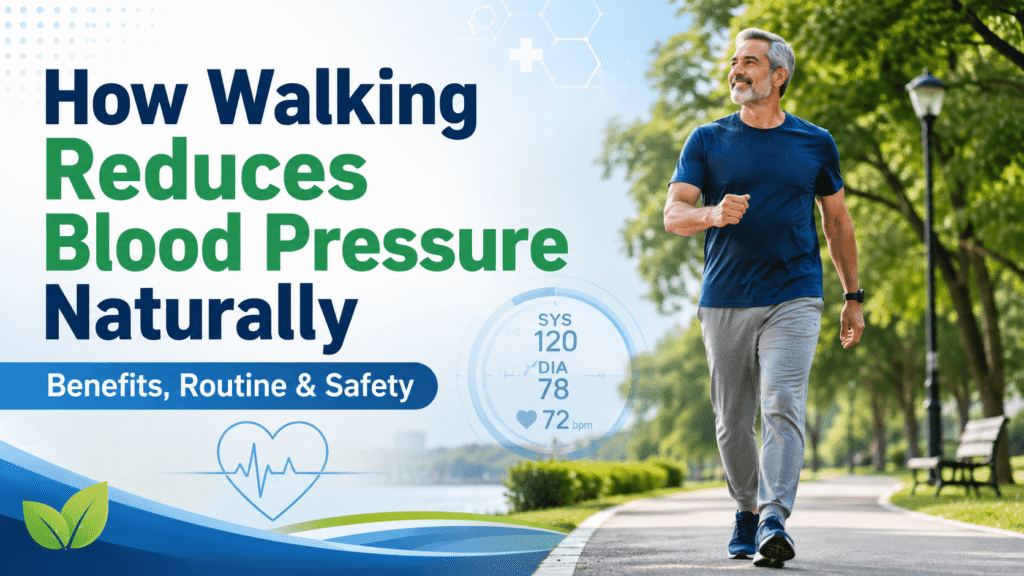
How Does Walking Reduce Blood Pressure Naturally?
Walking can help reduce blood pressure because it trains the heart, improves blood vessel function, supports healthy circulation, reduces stress, and helps with weight control. It is one of the simplest forms of aerobic exercise for adults with high blood pressure, prehypertension, or a sedentary lifestyle.
The main answer is simple: regular walking, especially brisk walking, can modestly lower systolic and diastolic blood pressure over time. It is not a quick cure, but it can be a powerful part of a natural blood pressure management plan.
High blood pressure matters because it increases the risk of heart disease and stroke. The CDC reports that nearly half of U.S. adults have high blood pressure, and the CDC defines high blood pressure as systolic pressure above 130 mm Hg, diastolic pressure above 80 mm Hg, or taking medication for high blood pressure.
Does walking really reduce blood pressure?
Yes, walking can reduce blood pressure when it is done regularly and at a moderate pace. Walking is a low-impact aerobic exercise, which means it helps the heart and blood vessels work more efficiently without requiring intense training.
A Cochrane review found that walking reduced systolic blood pressure by an average of 4.11 mm Hg and diastolic blood pressure by 1.79 mm Hg across multiple studies. The review also suggested that moderate-intensity walking three to five times per week, for 20 to 40 minutes per session, may help lower blood pressure over about three months.
This reduction may sound small, but even modest blood pressure improvements can matter when combined with other healthy habits such as reducing sodium, maintaining a healthy weight, sleeping well, and following medical advice.
How much can walking lower blood pressure?
Walking may lower systolic blood pressure by around 4 mm Hg on average, although results vary from person to person. People with higher starting blood pressure may notice a stronger effect than people whose blood pressure is already normal.
Blood pressure has two numbers:
| Blood Pressure Number | What It Means | How Walking May Help |
|---|
| Systolic blood pressure | Pressure when the heart beats | Walking may reduce the force needed to pump blood |
| Diastolic blood pressure | Pressure when the heart rests between beats | Walking may improve blood vessel relaxation and circulation |
The American Heart Association classifies normal blood pressure as less than 120/80 mm Hg, elevated blood pressure as 120–129 systolic and less than 80 diastolic, stage 1 hypertension as 130–139 or 80–89, and stage 2 hypertension as 140 or higher or 90 or higher.
Walking is best viewed as a supportive habit, not a stand-alone treatment for everyone. The effect depends on walking intensity, consistency, age, baseline blood pressure, medication use, diet, sleep, stress, and body weight.
Why does walking help lower blood pressure?
Walking helps lower blood pressure because it improves how the heart, arteries, blood vessels, and nervous system respond to daily stress. It also increases physical activity, which is a first-line lifestyle strategy for blood pressure control.
The American Heart Association recommends physical activity as part of controlling high blood pressure, including at least 150 minutes per week of moderate-intensity aerobic activity or 75 minutes per week of vigorous aerobic activity.
How does walking improve blood vessel function?
Walking improves blood vessel function by helping arteries relax and move blood more easily. During aerobic exercise, blood flow increases, which can support endothelial function, the ability of the inner lining of blood vessels to regulate dilation and constriction.
Research reviews show that exercise can improve nitric oxide levels and endothelial function in people with hypertension. Nitric oxide helps blood vessels relax, which may reduce resistance inside the arteries.
In simple terms, healthier blood vessels are more flexible. Flexible arteries allow blood to move with less pressure.
How does walking support the heart?
Walking supports the heart by making it work more efficiently over time. A stronger, better-conditioned heart can pump blood with less effort, which may reduce the pressure placed on artery walls.
Walking also helps improve overall cardiovascular fitness. The CDC states that regular physical activity can lower blood pressure and improve cholesterol levels, while also reducing the risk of heart disease and stroke.
For beginners, walking is useful because it is accessible, low-cost, and easier to maintain than many intense exercise programs.
How does walking reduce stress-related blood pressure spikes?
Walking can reduce stress-related blood pressure spikes by calming the nervous system and helping the body use stress hormones more effectively. Stress can temporarily raise blood pressure by increasing heart rate and narrowing blood vessels.
A walk does not remove every source of stress, but it can interrupt long periods of sitting, improve mood, and reduce tension. This matters because repeated stress responses may make blood pressure harder to manage.
A practical example is a 10- to 15-minute walk after work or after a stressful meeting. The goal is not only calorie burning; the goal is also nervous system recovery.
How does walking help with weight management?
Walking helps with weight management by increasing daily energy use. Weight management can support healthier blood pressure because excess body weight often increases the workload on the heart and blood vessels.
Walking works best for weight control when combined with healthy eating, portion control, adequate sleep, and reduced sedentary time. Healthdirect Australia lists regular physical activity, a healthy diet, a healthy weight, no smoking or vaping, and limiting alcohol as lifestyle measures that can help lower blood pressure.
Walking alone may not cause major weight loss for everyone, but it can make a blood pressure plan easier to sustain.
Is brisk walking better than normal walking for blood pressure?
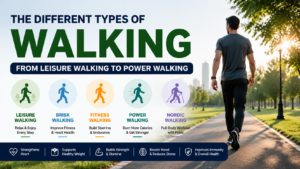
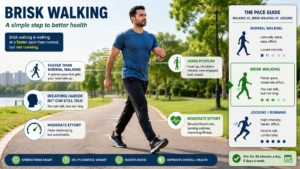
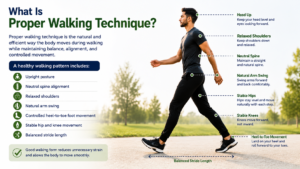
Brisk walking is usually better than slow walking for blood pressure because it reaches moderate intensity. Moderate-intensity exercise makes the heart beat faster and breathing slightly heavier, but it should still feel manageable.
The CDC explains the “talk test” this way: during moderate-intensity activity, a person can talk but not sing. The CDC also lists brisk walking at about 3 miles per hour or faster as a moderate-intensity activity.
| Walking Type | Intensity | Blood Pressure Benefit | Best For |
|---|
| Slow walking | Light | Better than sitting, but may have smaller BP effects | Very beginners, recovery days |
| Normal walking | Light to moderate | Helpful if done consistently | Sedentary adults starting out |
| Brisk walking | Moderate | Stronger support for BP control | Most adults who can walk safely |
| Interval walking | Moderate to vigorous | May improve fitness faster | People cleared for higher intensity |
The best pace is the fastest pace you can maintain safely while still being able to speak in short sentences. Beginners should build up gradually rather than forcing a high pace too early.
How long should you walk to lower blood pressure?
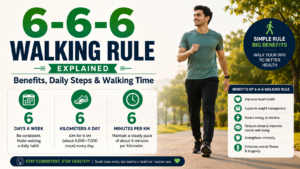
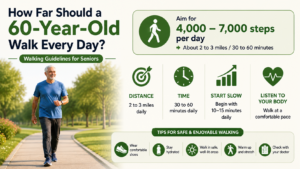
A practical target is 20 to 40 minutes per walk, three to five days per week, with a long-term goal of about 150 minutes per week. This matches the pattern reported in walking research and aligns with major physical activity recommendations.
The CDC recommends adults get at least 150 minutes of moderate-intensity physical activity weekly, such as 30 minutes a day, five days a week.
A simple weekly target can look like this:
- Beginner level: 10 minutes per day, 5 days per week
- Improving level: 20 minutes per day, 5 days per week
- Recommended target: 30 minutes per day, 5 days per week
- Advanced but safe: 40 minutes per day, 5 days per week, if tolerated
Short walks count. Three 10-minute walks in a day can still help build the habit, especially for people who feel tired, have joint stiffness, or are starting from a sedentary routine.
How often should you walk each week for better blood pressure?
Walking most days of the week is better than walking only once or twice. Blood pressure benefits come from repeated, consistent activity rather than occasional long walks.
For blood pressure control, aim for:
- Frequency: 3 to 5 days per week minimum
- Duration: 20 to 40 minutes per session
- Intensity: Moderate pace when safe
- Consistency: Continue for at least 8 to 12 weeks
- Progression: Increase time before increasing speed
Walking may also cause a short-term drop in blood pressure after exercise, called post-exercise hypotension. Research describes post-exercise hypotension as an immediate blood pressure reduction after exercise that can persist for hours, and one 2024 review notes reductions of about 5–8 mm Hg after a single exercise bout that may last up to 24 hours.
This does not mean blood pressure will stay low forever after one walk. It means each walk may provide a temporary benefit, while regular walking builds longer-term improvement.
What is a safe beginner walking routine for high blood pressure?
A safe beginner walking routine starts slowly, builds gradually, and avoids sudden high-intensity effort. People with high blood pressure should focus on consistency before speed.
Here is a simple 4-week walking plan:
| Week | Walking Goal | Pace | Notes |
|---|
| Week 1 | 10 minutes, 5 days | Easy | Build the habit |
| Week 2 | 15 minutes, 5 days | Easy to moderate | Add 5 minutes per walk |
| Week 3 | 20 minutes, 5 days | Moderate | Use the talk test |
| Week 4 | 25–30 minutes, 5 days | Moderate/brisk | Aim toward 150 minutes weekly |
Before each walk, spend 3 to 5 minutes warming up at an easy pace. After each walk, slow down for 3 to 5 minutes instead of stopping suddenly.
Good safety tips include:
- Wear comfortable walking shoes.
- Choose flat, safe walking areas.
- Carry water in hot weather.
- Avoid walking outdoors in extreme heat or cold.
- Do not hold your breath while walking uphill.
- Stop if you feel chest pain, faintness, severe breathlessness, or unusual pressure.
What mistakes should you avoid when walking for blood pressure control?
The biggest mistake is doing too much too soon. A sudden jump from no exercise to long brisk walks can cause fatigue, soreness, dizziness, or poor adherence.
Avoid these common mistakes:
- Walking only once a week: Blood pressure benefits need consistency.
- Ignoring intensity: Very slow walking is better than sitting, but brisk walking usually gives stronger cardiovascular benefits.
- Skipping warm-up and cool-down: Sudden starts and stops may feel uncomfortable.
- Checking blood pressure immediately after walking: Exercise can temporarily affect readings.
- Stopping medication without advice: Lifestyle changes should support medical care, not replace it without supervision.
- Treating 10,000 steps as mandatory: The best target is the one you can maintain safely.
The goal is not perfection. The goal is a repeatable walking habit that supports healthier blood pressure over time.
Can walking replace blood pressure medication?
Walking should not replace blood pressure medication unless a healthcare professional tells you to change your treatment plan. Walking can lower blood pressure naturally, but some people still need medication because of genetics, age, kidney disease, diabetes, cardiovascular risk, or very high readings.
Medication and walking can work together. A complete blood pressure plan may include:
- Prescribed medication
- Walking or other aerobic exercise
- Reduced sodium intake
- Healthy eating pattern
- Weight management
- Better sleep
- Stress management
- Home blood pressure monitoring
- Regular medical checkups
The WHO notes that hypertension can be serious if not treated and that many people with high blood pressure have no symptoms, making blood pressure checks important.
When should you consult a doctor before or during a walking routine?
You should consult a doctor before starting or intensifying a walking routine if you have very high blood pressure, heart disease, chest pain, dizziness, shortness of breath, diabetes complications, kidney disease, or a history of stroke. Medical advice is especially important if you have been inactive for a long time.
Seek urgent medical help if your blood pressure is extremely high or if high readings happen with warning symptoms. The American Heart Association identifies severe hypertension as higher than 180 systolic and/or higher than 120 diastolic, and a hypertensive emergency requires immediate medical attention when severe readings occur with symptoms or possible organ damage.
Stop walking and get help if you experience:
- Chest pain or pressure
- Fainting or near fainting
- Severe shortness of breath
- Sudden weakness or numbness
- Severe headache with confusion
- Vision changes
- Irregular heartbeat with dizziness
Walking is safe for many adults, but safety comes first when blood pressure is uncontrolled or symptoms appear.
Key Takeaway
Walking reduces blood pressure by improving heart efficiency, blood vessel flexibility, circulation, stress regulation, and weight control. The best routine for most beginners is moderate-intensity walking for 20 to 40 minutes, three to five times per week, building toward 150 minutes weekly.
A realistic goal is simple: walk briskly enough that you can talk but not sing, stay consistent for at least three months, and monitor your blood pressure regularly.
FAQs
Does walking reduce blood pressure immediately?
Yes, walking may temporarily lower blood pressure after exercise through post-exercise hypotension. The longer-term benefit comes from walking regularly over weeks and months.
How long should I walk daily to lower blood pressure?
A good target is 30 minutes a day, five days per week. Beginners can start with 10 minutes daily and gradually build up.
Is brisk walking better than slow walking for hypertension?
Yes, brisk walking is usually better because it reaches moderate intensity. Moderate intensity means you can talk but not sing while walking.
How many days a week should I walk for high blood pressure?
Walking three to five days per week is a practical starting target. For broader health benefits, aim for 150 minutes of moderate-intensity activity per week.
Can walking lower systolic blood pressure?
Yes. A Cochrane review found walking reduced systolic blood pressure by an average of 4.11 mm Hg across 73 studies.
Can walking lower the diastolic blood pressure?
Yes. The same Cochrane review found walking reduced diastolic blood pressure by an average of 1.79 mm Hg, although the certainty of evidence was lower than for systolic pressure.
Should I walk if my blood pressure is 180/120?
Do not start exercising with a reading around 180/120 mm Hg without medical guidance. Follow emergency advice, repeat the reading as directed by your healthcare provider, and seek urgent care if symptoms are present.
Can walking replace my blood pressure medicine?
No, not without your doctor’s approval. Walking can support blood pressure control, but medication may still be necessary depending on your risk level and medical history.
Conclusion
Walking is one of the most practical natural ways to support lower blood pressure. It is simple, low-cost, beginner-friendly, and strongly connected to better cardiovascular health. For the best results, walk consistently, increase intensity gradually, combine walking with other healthy lifestyle changes, and keep your healthcare provider involved if you have diagnosed hypertension.