
15 Best Foods Under 50 Calories That Are Actually Delicious
From sweet, juicy berries to crunchy vegetables, these delicious low-calorie foods are worth keeping in your kitchen.
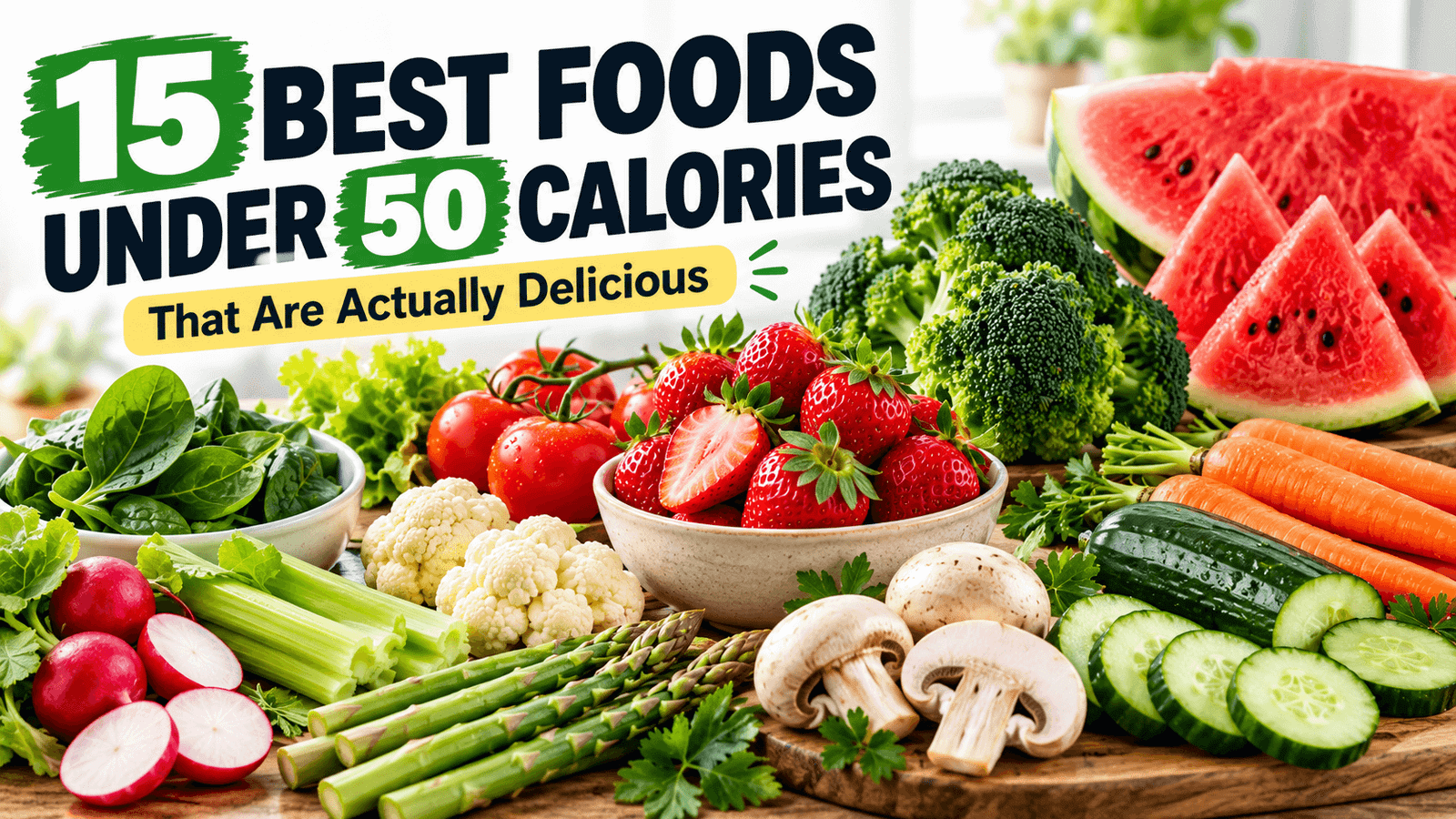
Looking for delicious foods that won’t add many calories to your day? Strawberries, watermelon, cucumbers, broccoli, and mushrooms are just a few options that contain fewer than 50 calories per 100-gram serving. Many also provide water, fiber, vitamins, and minerals. Whether you’re craving something sweet, crunchy, or savory, these 15 foods offer plenty of ways to enjoy lighter snacks and meals without sacrificing flavor.
1. Strawberries

32 calories per 100 grams
Few fruits can compete with the sweet, juicy flavor of fresh strawberries. A 100-gram serving contains approximately 32 calories, making these bright red berries an excellent option when you’re craving something sweet. Strawberries also deliver vitamin C and a little fiber. They’re delicious straight from the refrigerator, but you can also slice them over oatmeal or mix them into plain Greek yogurt. Just keep in mind that toppings such as whipped cream and chocolate syrup can quickly turn a light snack into a higher-calorie dessert.
2. Cucumbers
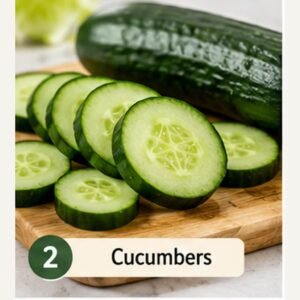
15 calories per 100 grams
If you love a good crunch, cucumbers deserve a spot in your refrigerator. These refreshing vegetables contain only about 15 calories per 100 grams and are made up of roughly 95% water. Their mild flavor makes them incredibly versatile, whether you’re slicing them into salads, adding them to sandwiches, or eating them straight from the cutting board. For a little extra kick, try cucumber slices with lemon juice, black pepper, and a pinch of chili flakes.
3. Watermelon
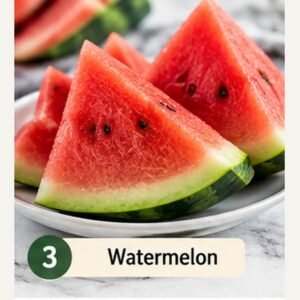
30 calories per 100 grams
There’s a reason watermelon is a summertime favorite. It’s naturally sweet, incredibly juicy, and contains just 30 calories per 100 grams. The fruit gets much of its weight from water and also provides lycopene, the antioxidant that gives red watermelon its distinctive color. Serve it chilled in thick slices, toss cubes into a fruit salad, or pair it with fresh mint for an extra-refreshing snack. It’s an especially appealing choice when you want something sweet without reaching for candy.
4. Mushrooms
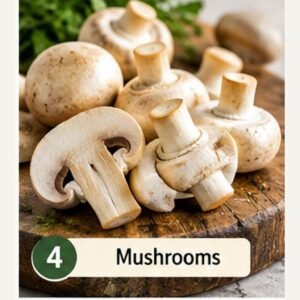
22 calories per 100 grams
Not every low-calorie food has to taste light and delicate. Mushrooms bring a rich, savory flavor to the table while containing approximately 22 calories per 100 grams in their raw form. White button mushrooms are particularly versatile, working well in omelets, soups, and vegetable stir-fries. Cooking them with garlic, herbs, and a splash of broth creates a flavorful side dish without requiring much added fat. Their tender, meaty texture also makes them a useful ingredient when you want to add substance to a vegetable-based meal.
5. Broccoli
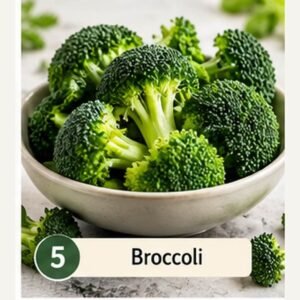
34 calories per 100 grams
Broccoli is a smart choice when you want more than just a low calorie count. A 100-gram serving of raw broccoli contains approximately 34 calories. It provides fiber, vitamin C, and vitamin K. Its firm florets have a pleasantly crisp texture when eaten raw and become tender when steamed. Try tossing broccoli with lemon juice, garlic, and black pepper for a simple side dish. You can also add it to soups, grain bowls, or stir-fries for extra vegetables without dramatically increasing the meal’s calorie total.
6. Celery
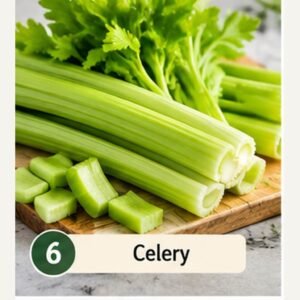
14 calories per 100 grams
Celery might not be the most exciting vegetable in the produce aisle, but its crisp texture makes it a surprisingly enjoyable snack. With just 14 calories per 100 grams, it’s among the lowest-calorie vegetables you can eat. Its high water content gives every bite a refreshing crunch, while its mild, slightly peppery flavor pairs nicely with herbs and lemon. Celery is also delicious chopped into chicken salad or vegetable soup. Peanut butter makes a popular pairing, although even a small spoonful adds substantially more calories than the celery itself.
7. Tomatoes
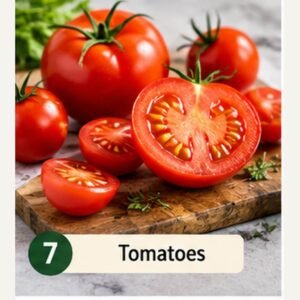
18 calories per 100 grams
A perfectly ripe tomato doesn’t need much to taste delicious. Juicy, slightly sweet, and pleasantly tangy, tomatoes contain approximately 18 calories per 100 grams. They also provide vitamin C and lycopene, a naturally occurring plant pigment. Cherry tomatoes are particularly convenient for snacking, while larger varieties work beautifully in sandwiches and fresh salads. Try sliced tomatoes with basil, black pepper, and a splash of vinegar for a simple side dish that lets their natural flavor shine.
8. Spinach
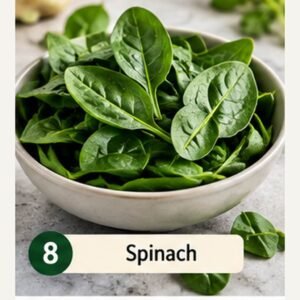
23 calories per 100 grams
Don’t overlook spinach when planning a lighter meal. This leafy green packs vitamin K, folate, and other essential nutrients into a 100-gram serving containing only about 23 calories. Fresh spinach has a mild, slightly earthy flavor that works well in salads, smoothies, and sandwiches. It also cooks down considerably, making it easy to add a generous handful to soups or scrambled eggs. For something savory, sauté spinach with garlic in a nonstick pan using a splash of broth instead of butter.
9. Cauliflower
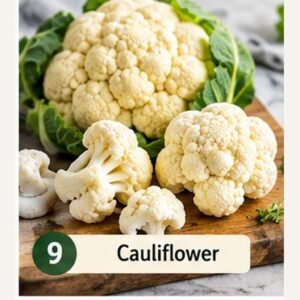
25 calories per 100 grams
Cauliflower is one of those vegetables that can do a little bit of everything. A 100-gram serving contains approximately 25 calories, and its mild flavor makes it a natural match for bold seasonings. Roast the florets with paprika and garlic, steam them until tender, or pulse them into small pieces for cauliflower rice. It’s also a useful addition to soups and vegetable bowls. The vegetable itself is low in calories, but cheesy sauces, butter, and generous amounts of cooking oil can change that quickly.
10. Zucchini
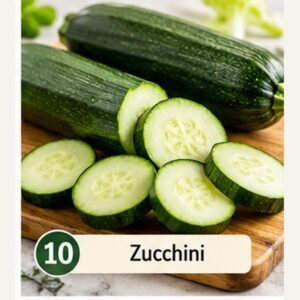
17 calories per 100 grams
Looking for a lighter way to add volume to dinner? Zucchini is worth trying. This tender summer squash contains only about 17 calories per 100 grams and has a delicate flavor that works with almost any seasoning. Slice it into rounds for grilling, add it to vegetable soup, or spiralize it into noodles. Zucchini noodles won’t taste exactly like traditional pasta, but they make an excellent vegetable base for tomato sauce, garlic, and fresh herbs.
11. Radishes
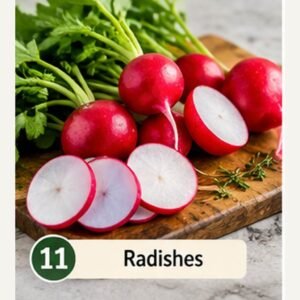
16 calories per 100 grams
If ordinary salads are starting to feel boring, radishes can wake them up. These colorful root vegetables deliver a sharp, peppery bite and satisfying crunch for approximately 16 calories per 100 grams. They’re particularly delicious sliced thinly into salads, tacos, and sandwiches. You can also enjoy them raw with lemon juice or roast them for a milder flavor. Unlike softer vegetables, fresh radishes retain a firm texture that makes them a great choice for anyone who enjoys crunchy snacks.
12. Asparagus
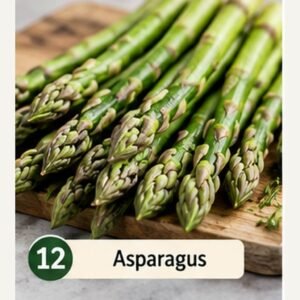
20 calories per 100 grams
Asparagus brings a little elegance to the dinner table without adding many calories. A 100-gram serving of raw asparagus contains approximately 20 calories and provides folate and vitamin K. Its tender spears have a distinctive, slightly grassy flavor that becomes especially appealing when lightly steamed or roasted. Finish them with lemon zest, garlic, or cracked black pepper. Asparagus pairs beautifully with fish, chicken, and eggs, making it an easy vegetable to include in a balanced meal.
13. Green Cabbage
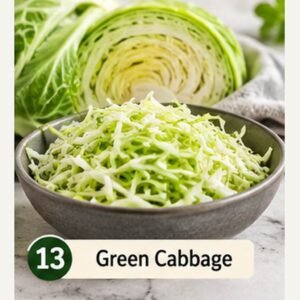
25 calories per 100 grams
Cabbage deserves more credit as an everyday vegetable. It’s inexpensive, versatile, and contains approximately 25 calories per 100 grams. Raw cabbage adds a refreshing crunch to salads and slaws, while cooking brings out its naturally mild sweetness. Shredded cabbage works particularly well in stir-fries, vegetable soups, and taco fillings. It also provides fiber and vitamin C. For a lighter slaw, try a vinegar-based dressing instead of a heavy mayonnaise sauce.
14. Green Leaf Lettuce
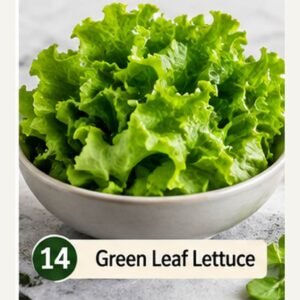
15 calories per 100 grams
There’s more to lettuce than being the base of a salad. Green leaf lettuce contains approximately 15 calories per 100 grams and has a delicate texture that works beautifully in wraps, sandwiches, and vegetable bowls. Its fresh, mild flavor makes it easy to pair with stronger ingredients, including tomatoes, grilled chicken, and herbs. Use large lettuce leaves instead of tortillas for a lighter wrap, or combine several varieties to give your salad more texture. Just remember that toppings and dressings often contribute most of the calories.
15. Carrots
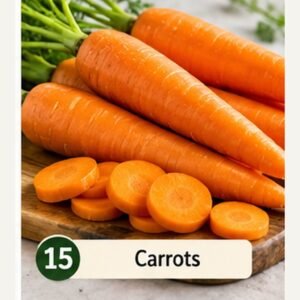
41 calories per 100 grams
Carrots offer something that many other low-calorie vegetables don’t: a naturally sweet flavor paired with a firm, satisfying crunch. A 100-gram serving contains approximately 41 calories, along with fiber and beta-carotene, which the body can convert into vitamin A. Baby carrots are convenient for snacking, while full-sized carrots are excellent shredded into salads or sliced into soups. They’re also delicious roasted with herbs, although added oil will increase the calorie count. For a snack that delivers both sweetness and crunch, carrots are a reliable choice.
Which Foods Under 50 Calories Are Best?
The best choice depends on what you’re craving. Strawberries and watermelon are excellent when you want something sweet, while cucumbers, celery, and radishes offer a refreshing crunch. Mushrooms, broccoli, and cauliflower are especially useful for savory meals.
One important detail: all 15 foods contain fewer than 50 calories per 100 grams in the raw, plain form specified. That doesn’t mean every portion or prepared dish will contain fewer than 50 calories. Cooking oils, sauces, dips, and larger serving sizes can make a difference.
These foods can help add variety and vegetables to your meals, but they aren’t complete meals on their own. Pairing them with protein, healthy fats, and other nutrient-rich foods is a better approach to balanced eating than simply choosing the lowest-calorie option.
Nutrition reference: Approximate calorie values are based on USDA FoodData Central legacy food entries, with supporting food composition comparisons. Actual values vary by variety, preparation, and serving size






ARTICLE REVIEWED BY
Alex John
Nutritionist
Alex John is a nutritionist who provides practical guidance on balanced eating, walking, exercise, simple workouts, weight management, and natural ways to develop healthier daily habits.