
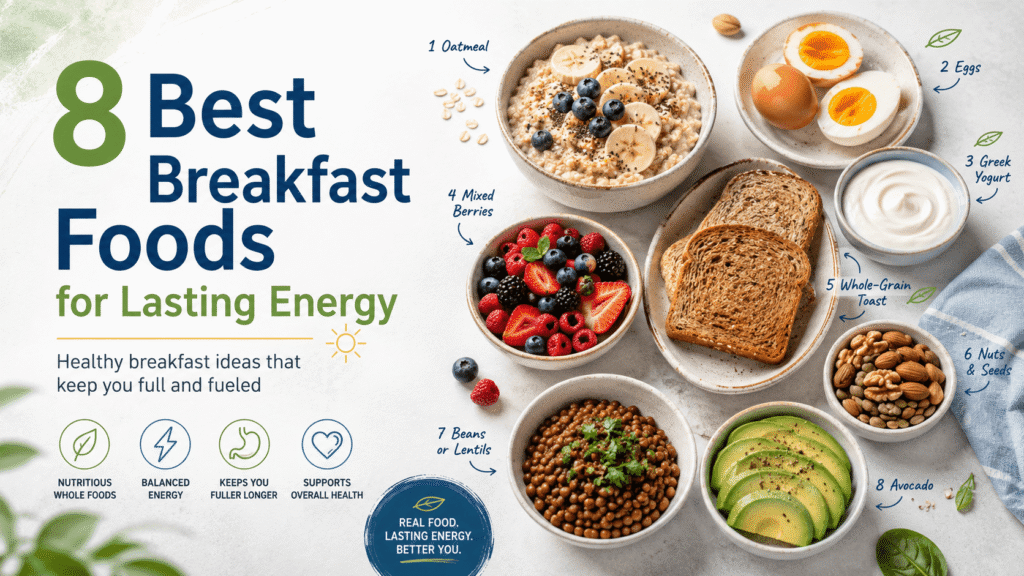
What Are the 8 Best Breakfast Foods for Lasting Energy?
The eight best breakfast foods for lasting energy are oats, eggs, plain Greek yogurt, berries, whole-grain bread, nuts and seeds, beans or lentils, and avocado. These foods provide different combinations of carbohydrates, protein, fiber, fats, vitamins, and minerals.
However, no individual food can guarantee steady energy throughout the morning. A more effective approach is to combine a fiber-rich carbohydrate with protein and an appropriate portion of healthy fat.
For example, oatmeal becomes a more complete breakfast when topped with Greek yogurt, berries, and nuts. Whole-grain toast becomes more satisfying when paired with eggs or beans instead of being eaten with jam alone.
Current U.S. dietary guidance prioritizes meals built around nutrient-dense protein foods, fruits, vegetables, dairy, healthy fats, and fiber-rich whole grains while reducing highly processed foods, refined carbohydrates, and added sugars.
What Makes a Breakfast Provide Lasting Energy?
A breakfast is more likely to support lasting energy when it contains fiber-rich carbohydrates, protein, and some dietary fat. Carbohydrates supply glucose, while protein, fiber, and fat can make the meal more substantial and satisfying.
“Lasting energy” should not be understood as a promise that a specific food will prevent all fatigue. Sleep, hydration, stress, medical conditions, medications, and total calorie intake also affect how energetic a person feels.
How Do Carbohydrates Support Morning Energy?
Carbohydrates are converted into glucose, which the body uses as an important energy source for cells, tissues, organs, and the brain. Whole grains, fruits, beans, and starchy vegetables provide carbohydrates along with other nutrients.
Carbohydrates do not need to be avoided at breakfast. The more useful distinction is between:
- Fiber-rich carbohydrates: oats, whole-grain bread, beans, and whole fruit
- Highly refined carbohydrates: pastries, sugary cereals, white bread, and many packaged breakfast products
Refined foods are not automatically forbidden, but they often provide less fiber and may be less satisfying when eaten without protein or fat.
How Do Protein and Fiber Help You Stay Satisfied?
Protein and fiber can help make breakfast more filling. Research on higher-protein breakfasts generally shows improved short-term satiety, although the effects on total daily calorie intake and long-term body weight are less consistent.
Fiber is found in fruits, vegetables, beans, nuts, seeds, and whole grains. It can increase fullness, while soluble fiber slows digestion and nutrient absorption.
A practical breakfast therefore includes both:
- A protein source, such as eggs, yogurt, beans, or nuts
- A fiber source, such as oats, berries, whole-grain bread, or lentils
What Role Do Healthy Fats Play at Breakfast?
Dietary fat provides energy and can make a meal more satisfying, but portions still matter because fat is calorie-dense. Breakfast sources of unsaturated fats include nuts, seeds, nut butter, olives, and avocado.
Healthy fats should normally complement a breakfast rather than replace protein and fiber. For example, avocado toast is more balanced when served with an egg, yogurt, tofu, or beans.
Which Eight Breakfast Foods Are Best for Lasting Energy?
The best choices provide useful nutrients and can be combined easily into a complete breakfast. They are also widely available and adaptable to different eating styles.
1. Why Are Oats a Good Breakfast Food?
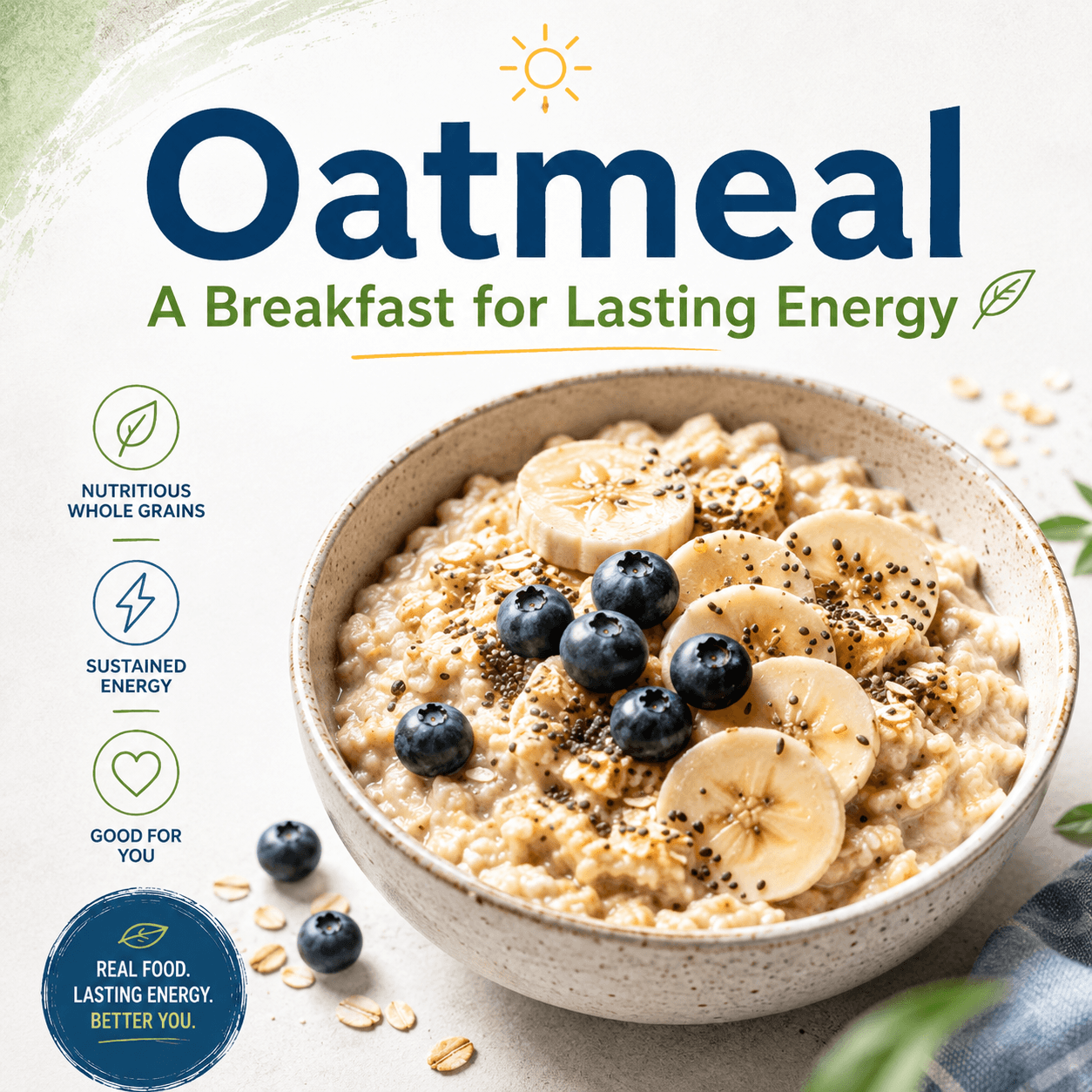
Oats are a fiber-rich whole grain that provides carbohydrates for energy and soluble fiber for fullness. They are especially rich in a soluble fiber called beta-glucan.
Research reviews suggest that oat beta-glucan can improve perceptions of fullness. Its viscosity can also slow gastric emptying and reduce the post-meal glucose and insulin response, although results depend on the amount, processing method, and overall meal.
Choose:
- Rolled oats
- Steel-cut oats
- Plain instant oats
- Overnight oats without excessive sweeteners
Build a more complete bowl by adding:
- Greek yogurt or milk for protein
- Berries or chopped fruit for fiber
- Nuts, chia seeds, or ground flaxseed for fats and texture
- Cinnamon instead of large amounts of sugar
Sweetened oatmeal packets can contain substantial added sugar, so compare labels rather than assuming every oatmeal product is equally nutritious.
2. Why Are Eggs a Filling Breakfast Choice?
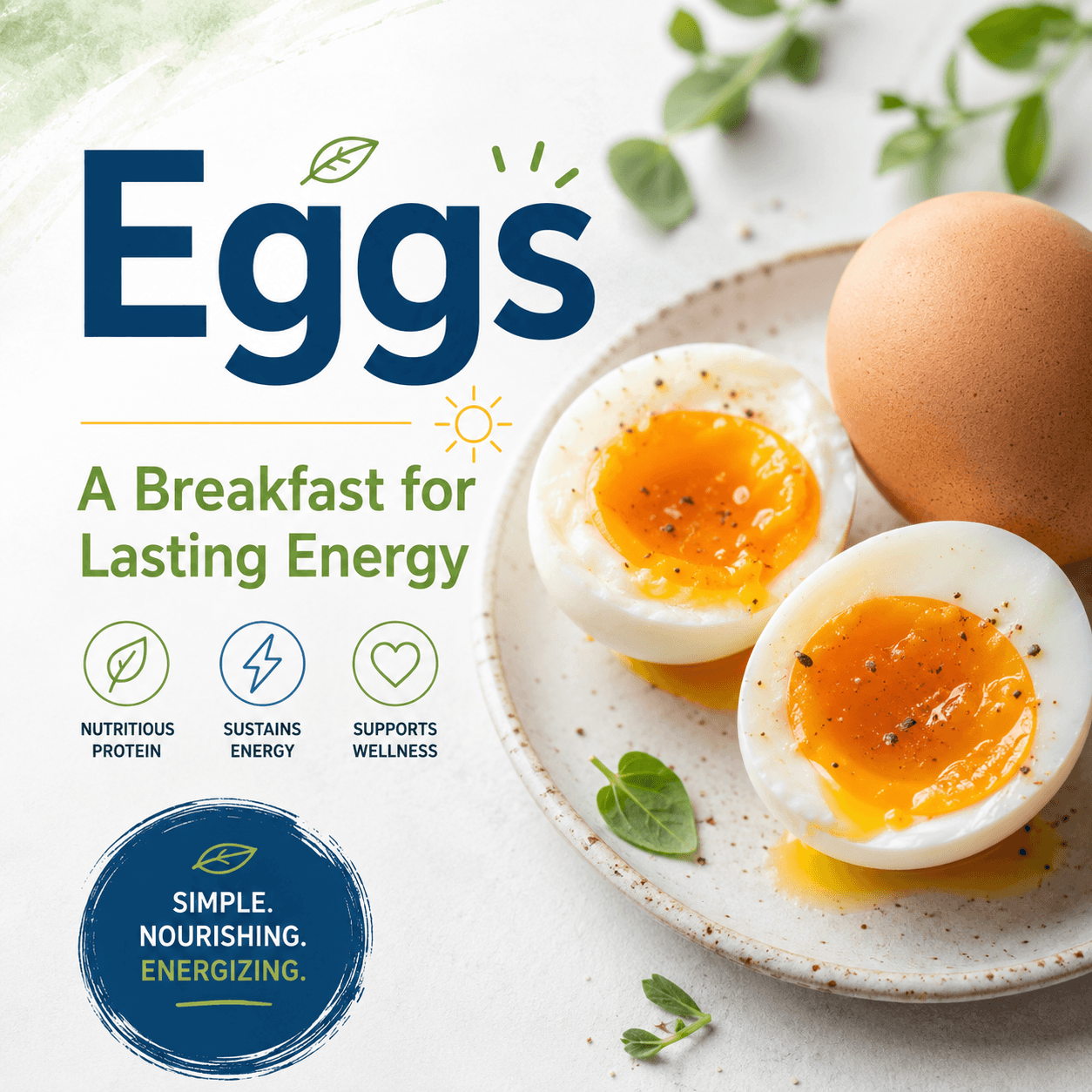
Eggs are a convenient source of high-quality protein. One large cooked egg provides approximately six grams of protein, although two eggs or an egg combined with another protein source may create a more substantial meal.
Eggs also work well with vegetables, beans, avocado, and whole-grain toast.
Energy-supporting combinations include:
- Eggs with whole-grain toast and tomatoes
- A vegetable omelet with fruit
- Eggs with black beans and avocado
- A boiled egg with oatmeal and berries
Cooking method matters. Boiling, poaching, scrambling, or preparing eggs with a modest amount of oil usually creates a less heavily processed meal than pairing them regularly with deep-fried foods or processed breakfast meats.
Eggs do not contain fiber, so include a whole grain, vegetable, bean, or fruit alongside them.
3. Why Is Plain Greek Yogurt Useful for Morning Energy?
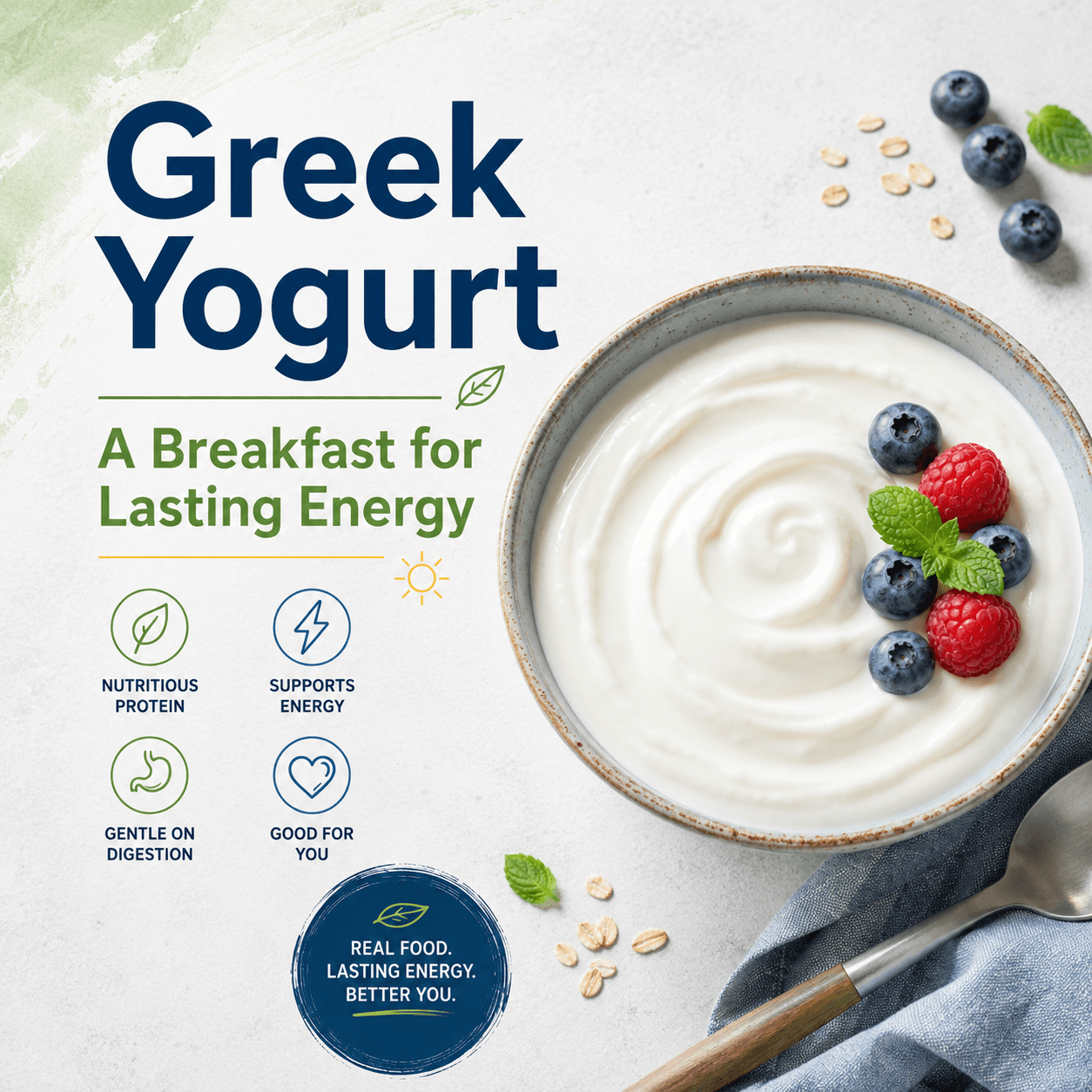
Plain Greek yogurt is useful because it supplies protein in a quick, convenient form. USDA WIC guidance notes that plain Greek yogurt generally contains more protein and less sugar than many regular sweetened yogurts, although nutrition varies by brand.
Look for a product with:
- No or little added sugar
- A meaningful amount of protein
- A short ingredient list
- A portion that fits your energy needs
Turn yogurt into a balanced breakfast by adding:
- Berries
- Rolled oats
- Chopped nuts
- Chia or flaxseed
- Unsweetened whole-grain cereal
Flavored yogurt can contain added sugars. The sugar naturally present in plain dairy is not the same as sugar added during manufacturing, so check the “Includes Added Sugars” line on the Nutrition Facts label.
People who avoid dairy can use an unsweetened fortified soy yogurt or another alternative, but protein levels vary considerably between products.
4. Why Should Berries and Whole Fruits Be Included?
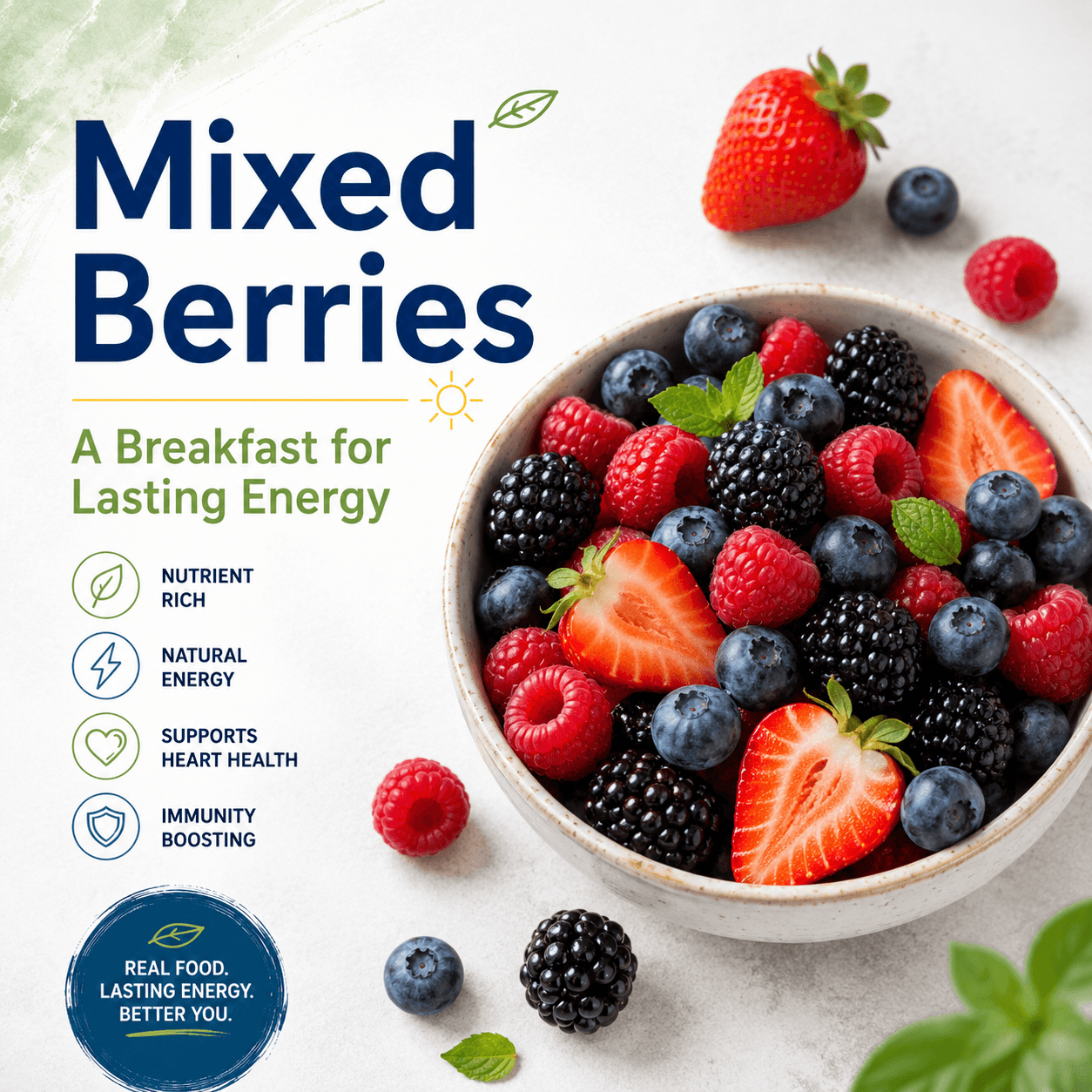
Berries and other whole fruits provide carbohydrates, fiber, water, vitamins, minerals, and plant compounds. Whole fruits include strawberries, blueberries, raspberries, apples, pears, oranges, kiwi, bananas, and peaches.
Fiber-containing fruits can make breakfast more substantial than a sweetened beverage. Current dietary guidance recommends eating whole fruits in their original form and consuming juice in limited portions.
Fruit works best when paired with protein or fat, such as:
- Berries with Greek yogurt
- An apple with peanut butter
- Banana with oatmeal and nuts
- Orange slices with eggs and whole-grain toast
- Pear with cottage cheese
A piece of fruit alone may be too small a breakfast for many adults. The solution is not to avoid fruit but to combine it with protein and another filling food.
Frozen fruit without added sugar is a practical alternative to fresh fruit. It can be added directly to oatmeal, yogurt, or smoothies.
5. Why Is Whole-Grain Bread Better Than Refined Bread?
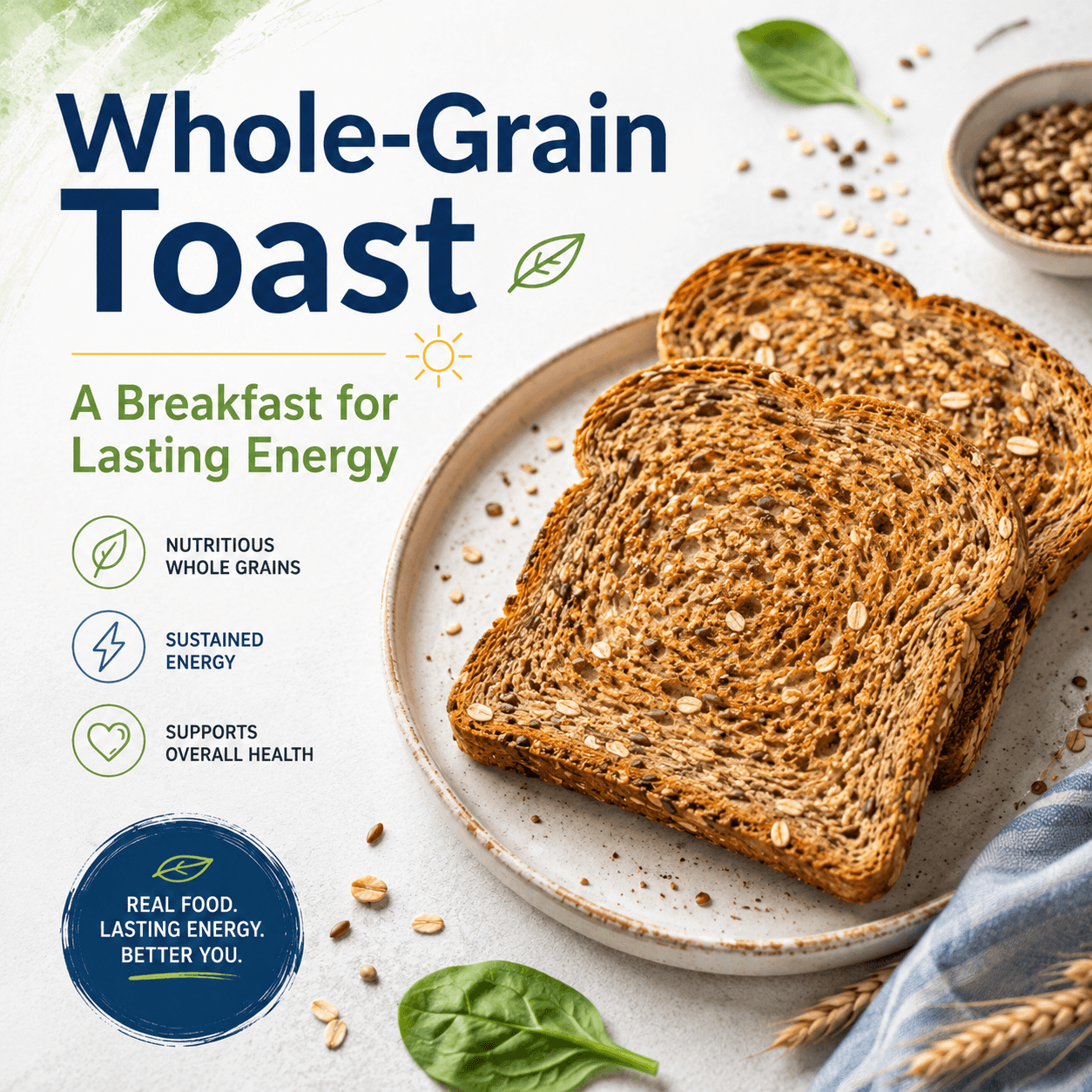
Whole-grain bread generally retains more of the grain’s fiber-rich components than refined white bread. Current U.S. dietary guidance recommends prioritizing fiber-rich whole grains and reducing highly processed refined carbohydrates.
The word “wheat” on the front of a packet does not guarantee that the bread is mainly whole grain. Check whether a whole grain, such as whole-wheat flour, appears near the beginning of the ingredient list.
Useful toppings include:
- Eggs
- Peanut or almond butter
- Hummus
- Mashed beans
- Plain cottage cheese
- Avocado with an additional protein source
Toast with jam alone contains carbohydrate but may provide little protein. Adding eggs, yogurt, nut butter, or beans makes it more complete.
Whole-grain English muffins, pita bread, and tortillas can also work when whole grain is a primary ingredient.
6. How Do Nuts, Seeds, and Nut Butter Support Fullness?
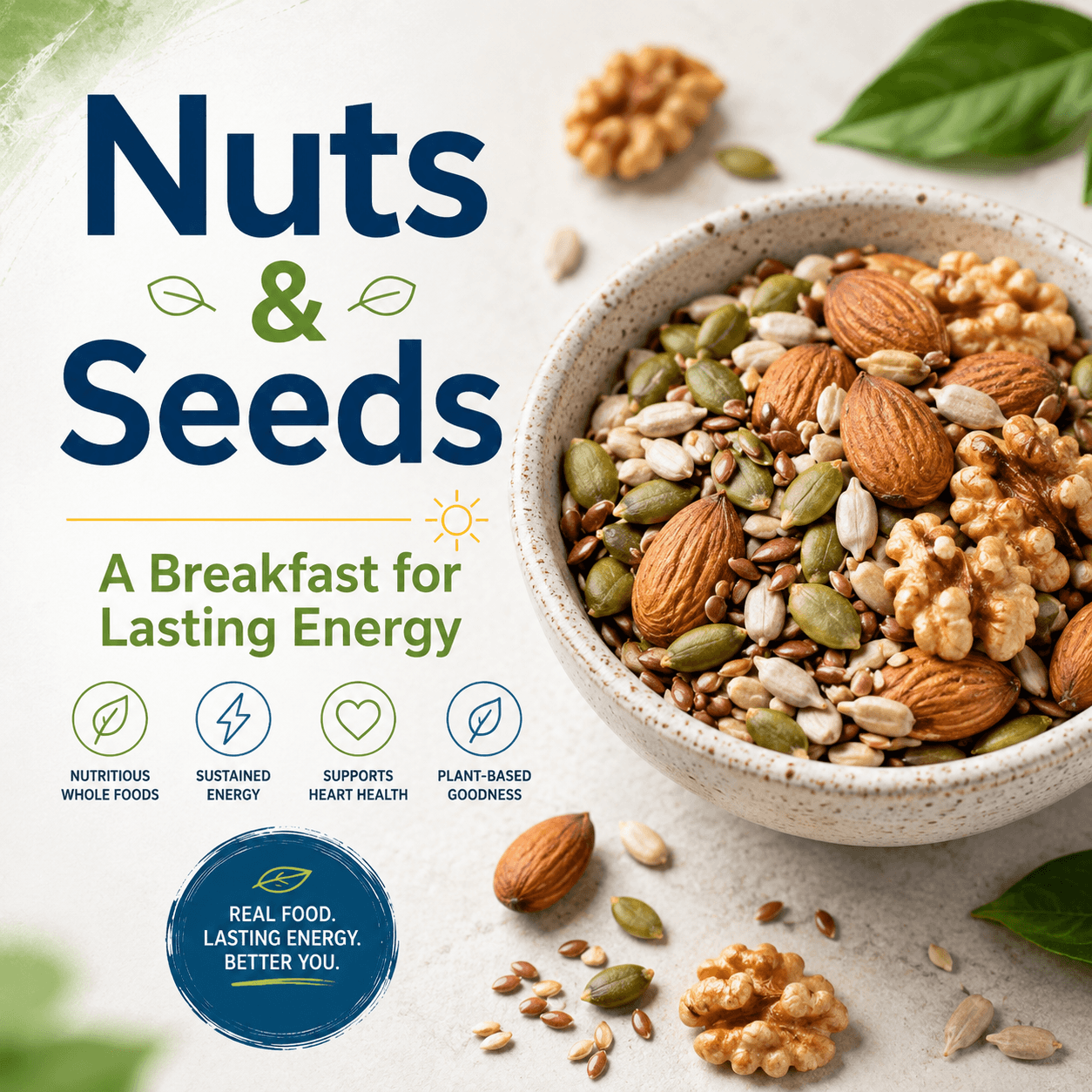
Nuts, seeds, and nut butter provide a combination of fat, protein, and fiber. Options include almonds, walnuts, peanuts, pistachios, chia seeds, flaxseed, pumpkin seeds, and sunflower seeds.
MedlinePlus identifies nuts as sources of fiber, protein, and healthy fat. However, they are calorie-dense, so a small handful or a measured spoonful of nut butter is usually more practical than eating directly from a large container.
Easy uses include:
- Stirring peanut butter into oatmeal
- Adding walnuts to yogurt
- Sprinkling chia seeds over fruit
- Spreading almond butter on whole-grain toast
- Adding ground flaxseed to a smoothie
Choose unsalted or lightly salted varieties when possible. Nut butter made primarily from nuts is usually preferable to products containing large amounts of sugar or hydrogenated fat.
People with nut allergies can consider seed butter where medically safe.
7. Why Are Beans and Lentils Good Savory Breakfast Foods?
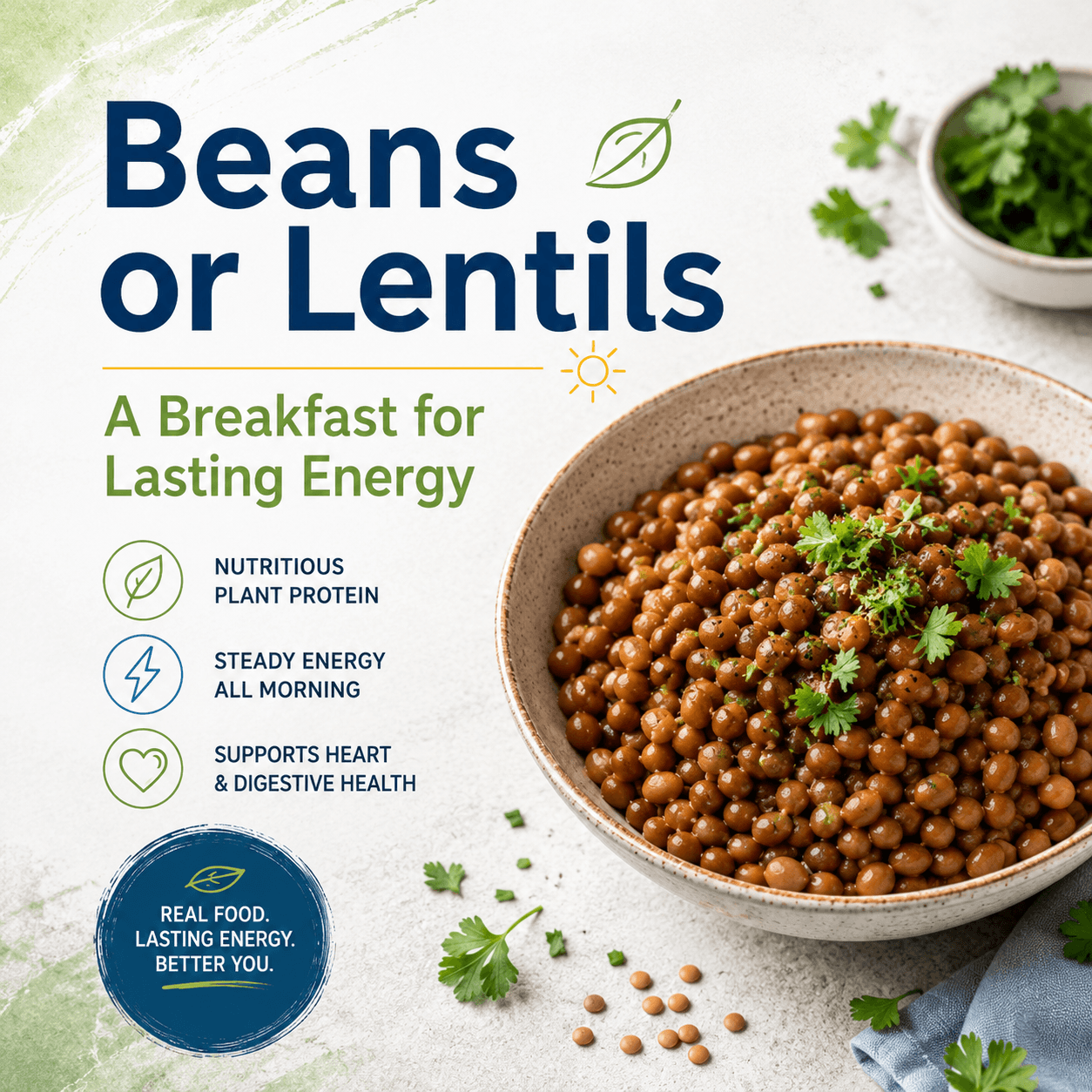
Beans and lentils provide both plant protein and fiber, making them particularly useful for sustained fullness. Current dietary guidance includes beans, peas, lentils, legumes, nuts, seeds, and soy among recommended plant-based protein foods.
They are common breakfast ingredients in many cultures, even though some Western breakfast menus overlook them.
Practical ideas include:
- Black beans with eggs and avocado
- Lentils with vegetables and a boiled egg
- Hummus on whole-grain toast
- Chickpeas with tomatoes and herbs
- Beans in a whole-grain breakfast wrap
- Tofu and bean scramble
Canned beans save time. Rinsing them can remove some of the surface sodium.
People who are not accustomed to high-fiber foods should increase beans gradually and drink adequate fluids to reduce digestive discomfort.
8. How Can Avocado Improve a Balanced Breakfast?
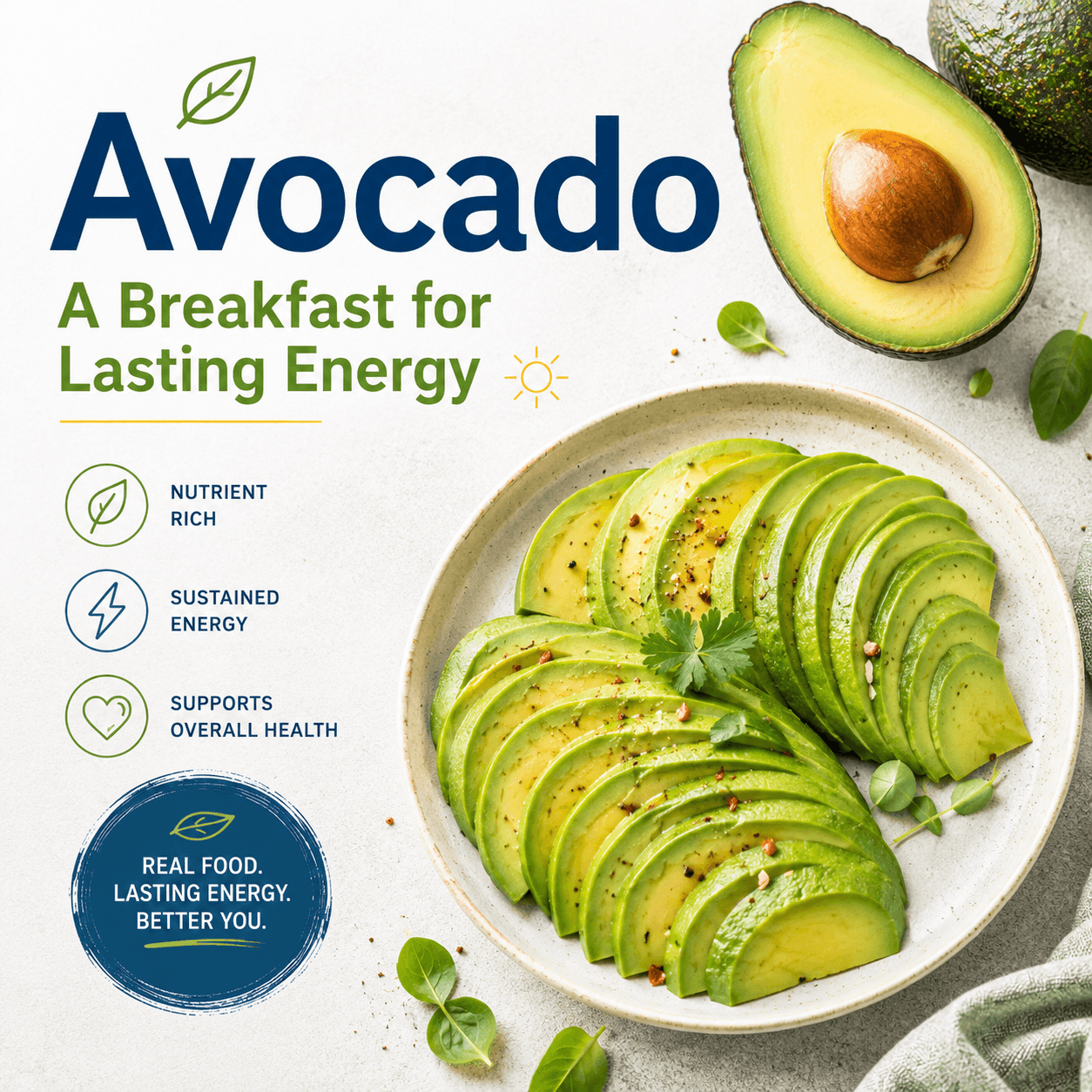
Avocado contributes fiber and primarily monounsaturated fat. It can add richness and make a breakfast more satisfying, especially when it replaces heavily processed spreads.
Avocado is not a high-protein food, so it should usually be paired with:
- Eggs
- Beans
- Greek yogurt on the side
- Tofu
- Cottage cheese
- Smoked fish
- Nuts or seeds
Examples include:
- Avocado and egg on whole-grain toast
- A bean, avocado, and vegetable breakfast bowl
- Whole-grain toast with avocado and hemp seeds
- Eggs, avocado, and berries
Portion size depends on total calorie needs. Using more avocado does not automatically make a breakfast healthier; the entire meal still matters.
How Do the Eight Breakfast Foods Compare?
Each food supports a different part of a balanced breakfast.
| Breakfast food | Main nutritional strength | What it pairs well with | What to watch |
|---|---|---|---|
| Oats | Whole-grain carbohydrate and soluble fiber | Yogurt, milk, fruit, nuts | Added sugar in flavored packets |
| Eggs | High-quality protein | Whole grains, vegetables, beans | Lack of fiber when eaten alone |
| Plain Greek yogurt | Convenient dairy protein | Berries, oats, nuts, seeds | Sugar in flavored varieties |
| Berries and fruit | Carbohydrates, fiber, and micronutrients | Yogurt, eggs, nuts, oats | Juice and sweetened fruit products |
| Whole-grain bread | Fiber-rich carbohydrate | Eggs, beans, hummus, nut butter | Misleading “multigrain” labeling |
| Nuts and seeds | Healthy fats, fiber, and some protein | Oats, yogurt, fruit, toast | Large portions and sweetened products |
| Beans and lentils | Plant protein plus fiber | Eggs, vegetables, avocado | Sodium in canned products |
| Avocado | Fiber and monounsaturated fat | Eggs, beans, tofu, whole grains | Large portions without enough protein |
How Should You Combine Breakfast Foods for Better Energy?
Use a simple three-part formula:
- Choose a fiber-rich carbohydrate.
- Add a meaningful protein source.
- Include fruit, vegetables, or a modest portion of healthy fat.
For example:
- Oats + Greek yogurt + berries
- Whole-grain toast + eggs + avocado
- Beans + eggs or tofu + vegetables
- Plain yogurt + fruit + nuts
- Whole-grain wrap + lentils + avocado
This structure is more useful than chasing a particular “superfood.” Higher-protein breakfasts can improve short-term fullness, while fiber-rich foods may slow digestion and help people feel full longer.
Portion sizes should reflect age, body size, activity level, appetite, health conditions, and the length of time until the next meal.
Which Quick Breakfast Combinations Can You Prepare?
A nutritious breakfast does not need to be complicated.
What Can You Prepare in Under Five Minutes?
Try:
- Plain Greek yogurt, berries, and walnuts
- Overnight oats prepared the previous evening
- Whole-grain toast with peanut butter and banana
- A boiled egg, fruit, and whole-grain toast
- Hummus and tomato on whole-grain bread
- Cottage cheese with berries and seeds
What Can You Prepare for Several Days?
Batch-preparation ideas include:
- Boiled eggs
- Overnight oats
- Homemade low-sugar oatmeal cups
- Cooked beans or lentils
- Chopped fruit
- Individual portions of nuts and seeds
- Vegetable-and-egg muffins
- Whole-grain breakfast wraps
Keep perishable foods refrigerated and follow safe food-storage practices.
What Is a Useful Breakfast for Busy Mornings?
A portable breakfast should still contain more than a sweet drink or pastry.
Better combinations include:
- Plain yogurt with fruit and nuts
- A boiled egg with whole-grain toast and an apple
- A smoothie containing plain yogurt, whole fruit, and seeds
- A whole-grain sandwich with egg or nut butter
- Overnight oats in a sealed container
Which Breakfast Foods May Leave You Hungry Quickly?
Breakfasts dominated by refined starch or added sugar may be less satisfying, especially when they contain little protein or fiber.
Examples include:
- Doughnuts
- Sweet pastries
- Sugary breakfast bars
- Candy-like cereals
- White toast with jam
- Sweetened coffee drinks used as a meal
- Fruit drinks
- Large glasses of juice without solid food
Current U.S. guidance recommends reducing highly processed foods, packaged sweet breakfast options, refined carbohydrates, and added sugars.
These foods do not need to be labelled “bad.” The concern is frequency, quantity, and what they replace. An occasional pastry alongside eggs and fruit differs from relying on pastries as the main breakfast every morning.
Which Common Breakfast Mistakes Should You Avoid?
Are You Eating Carbohydrates Without Protein?
Toast, fruit, or cereal can be part of breakfast, but adding eggs, yogurt, beans, tofu, nuts, or seeds usually makes the meal more substantial.
Are You Drinking Your Entire Breakfast?
Liquid meals may be convenient, but sweet coffee drinks and juice can contain substantial sugar without much fiber or protein.
A smoothie can be more balanced when it contains:
- Whole fruit rather than only juice
- Plain yogurt, milk, or fortified soy milk
- Seeds or nut butter
- No excessive added sweetener
Are You Assuming Every Granola or Cereal Is Healthy?
Granola and cereal vary widely. Check:
- Serving size
- Added sugar
- Fiber
- Protein
- Ingredient order
A whole grain near the beginning of the ingredient list is generally more meaningful than healthy-looking package colours or claims.
Are You Adding Too Many Calorie-Dense Toppings?
Nuts, seeds, nut butter, avocado, and granola can be nutritious, but combining large portions of all of them may produce more calories than intended.
Are You Expecting Breakfast to Fix Poor Sleep?
Food cannot fully compensate for inadequate sleep. Persistent morning exhaustion may also be related to anaemia, thyroid disease, sleep disorders, depression, diabetes, medication effects, or other health problems.
Seek medical advice when fatigue is persistent, severe, or accompanied by symptoms such as breathlessness, dizziness, unexplained weight change, excessive thirst, or weakness.
How Should People With Diabetes Adapt Their Breakfast?
People with diabetes should choose breakfast portions and carbohydrate amounts according to their individual treatment plan. There is no single breakfast that works for everyone with diabetes.
A healthcare professional or registered dietitian may consider:
- Medicines or insulin use
- Current blood-glucose levels
- Total carbohydrate amount
- Meal timing
- Physical activity
- Other medical conditions
Common food options include whole grains, fruit, vegetables, eggs, nuts, beans, lentils, and unsweetened dairy products. Fiber-rich foods can support fullness and may help with glucose control, but portions still matter.
Someone using insulin or glucose-lowering medicine should not make major changes to meal timing or carbohydrate intake without appropriate guidance because treatment may need adjustment.
Does Everyone Need to Eat Breakfast?
No. Breakfast can be useful, but it is not mandatory for every healthy adult, and simply adding breakfast does not guarantee weight loss.
A systematic review of randomized trials found that recommending breakfast was not an effective universal weight-loss strategy. This means breakfast quality and total daily eating patterns matter more than the popular claim that everyone must eat immediately after waking.
People who enjoy breakfast or feel better after eating can choose a balanced meal. People who are not hungry early may eat later, provided their overall diet meets their nutritional and medical needs.
Breakfast timing may require more attention for:
- Children and adolescents
- Pregnant people
- Athletes
- People with diabetes
- People taking food-dependent medication
- Anyone who experiences dizziness or low blood glucose
What Are the Key Takeaways About Breakfast Energy?
The best breakfast is not one specific food. It is a balanced combination that fits the individual.
Remember:
- Carbohydrates provide glucose that the body can use for energy.
- Fiber-rich carbohydrate sources are generally more filling than refined alternatives.
- Protein can improve short-term satiety.
- Healthy fats can make a meal more substantial, but portions matter.
- Whole fruit is normally more useful than relying on juice.
- Plain yogurt usually contains less added sugar than flavored products.
- Oats, eggs, yogurt, fruit, whole grains, nuts, beans, and avocado can be mixed in many ways.
- Sugary breakfast products may be less satisfying when they contain little protein or fiber.
- Eating breakfast alone does not guarantee weight loss.
- Persistent fatigue should not automatically be blamed on breakfast.
What Are the Most Frequently Asked Questions About Energy-Supporting Breakfasts?
What Is the Best Breakfast for Lasting Energy?
A breakfast combining fiber-rich carbohydrates, protein, and healthy fat is usually the most satisfying. Oatmeal with Greek yogurt, berries, and nuts is one practical example.
Is Oatmeal or Eggs Better for Energy?
Neither is universally better. Oatmeal supplies carbohydrates and soluble fiber, while eggs provide protein. Combining them or pairing each with complementary foods creates a more balanced meal.
Is a Banana Enough for Breakfast?
A banana provides carbohydrates and useful nutrients, but it may not be enough for many adults. Add yogurt, eggs, nuts, nut butter, or oats for protein and greater fullness.
Which Breakfast Has the Most Protein?
Eggs, Greek yogurt, cottage cheese, tofu, beans, and fish are useful protein options. The highest-protein choice depends on the serving size and product.
Is Coffee a Substitute for Breakfast?
No. Coffee may increase alertness temporarily, but it does not provide the protein, fiber, and broad nutrient range found in a balanced meal.
Is Cereal Good for Lasting Energy?
It can be. Choose a whole-grain cereal with meaningful fiber and little added sugar, then add milk or yogurt, fruit, and nuts or seeds.
What Is the Best Vegan Breakfast for Energy?
Good combinations include oatmeal with soy yogurt and seeds, tofu with vegetables and whole-grain toast, or beans with avocado and a whole-grain tortilla.
How Long Should a Healthy Breakfast Keep You Full?
There is no universal duration. Fullness depends on meal size, protein, fiber, fat, activity level, sleep, metabolism, and the individual’s health.
Conclusion
The eight best breakfast foods for lasting energy are useful because they contribute different parts of a balanced meal. Oats and whole-grain bread provide fiber-rich carbohydrates; eggs, yogurt, and beans provide protein; fruit provides carbohydrates and fiber; and nuts, seeds, and avocado contribute healthy fats.
Instead of searching for a single perfect breakfast food, build a meal that includes at least one protein source and one fiber-rich plant food. That approach is more flexible, satisfying, and sustainable.
Sources and References
The nutrition information in this article was researched using government health resources and peer-reviewed studies:
Dietary Guidelines for Americans, 2025–2030
Current guidance on whole foods, protein, fruits, vegetables, whole grains, healthy fats, and reducing highly processed foods.MedlinePlus: Carbohydrates
Explains how the body converts carbohydrates into glucose for energy.MedlinePlus: Dietary Fiber
Information about fiber, soluble and insoluble fiber, and food sources such as whole grains, fruits, vegetables, nuts, and seeds.MedlinePlus: Nutrition Definitions
Definitions and explanations of carbohydrates, protein, dietary fat, fiber, and food energy.NIH Study: Protein-Rich Breakfast and Appetite
A systematic review examining how protein-rich breakfasts may affect appetite and later food intake. The authors noted that the results varied and should be interpreted with caution.NIH Study: High-Protein Breakfast and Satiety
A clinical study found that a high-protein dairy breakfast increased short-term feelings of fullness, although it did not reduce total daily calorie intake.NIH Review: Oats, Dietary Fiber, and Satiety
Research review covering oat beta-glucan, fullness, digestion, gastric emptying, and post-meal glucose response.USDA WIC Works: Plain Greek Yogurt
Practical information about yogurt, including the higher protein and lower sugar content of plain Greek yogurt compared with widely sweetened varieties.MedlinePlus: Perfect Hard-Cooked Eggs
Provides official nutrition information showing that one large cooked egg contains approximately six grams of protein.MedlinePlus: Diet-Boosting Foods
Explains that beans provide protein and fiber, while nuts provide fiber, protein, and healthy fats.MedlinePlus: Dietary Guidelines for Americans, 2025–2030
A simple summary of current dietary guidance covering whole grains, fruits, protein foods, plain dairy products, nuts, seeds, beans, eggs, and avocados.MedlinePlus: Diabetic Diet
Guidance on individual meal planning, whole grains, fiber-rich foods, carbohydrate intake, and healthy eating for people with diabetes.NIH Review: Does Eating Breakfast Cause Weight Loss?
A systematic review of randomized trials found that recommending breakfast is not a reliable weight-loss strategy for every adult.
Medical note: This article provides general nutrition education and does not replace personalized advice from a doctor or registered dietitian. People with diabetes, food allergies, digestive conditions, or persistent fatigue may require an individualized eating plan.







2 Responses