After 60, your body does not need a “perfect diet.” It needs a smarter diet.
Your muscles, bones, brain, heart, digestion, and immune system all need steady support. The problem is that many older adults eat less food than before, but their need for important nutrients does not disappear. In fact, nutrients like protein, fiber, calcium, vitamin D, vitamin B12, omega-3 fats, and potassium become even more important.
So the goal is simple: make every meal count.
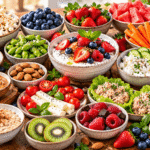
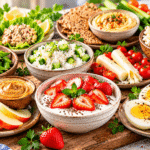
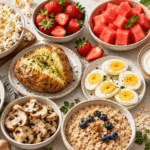
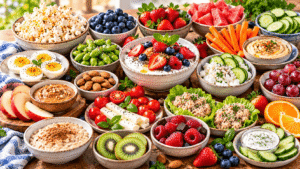
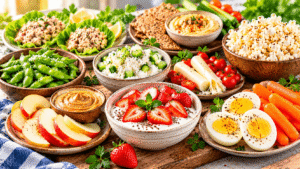
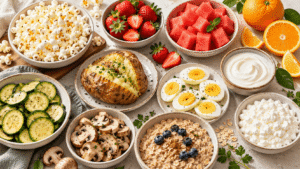
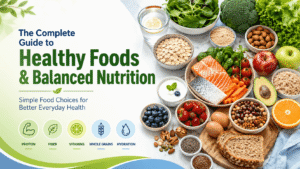
That does not mean expensive superfoods. It means normal foods—beans, fish, oats, greens, fruit, nuts, yogurt, and vegetables—eaten in a simple, steady way.
Why Nutrition Matters More After 60
As we age, a few things naturally change.
Muscle can slowly decrease. Bones may become weaker. Digestion can slow down. Appetite may drop. Some people also have a harder time absorbing vitamin B12 from food. That is why older adults should focus on foods that give a lot of nutrition in every bite.
Protein is especially important. A clinical nutrition guideline for older adults says protein intake should usually be at least 1 gram per kilogram of body weight per day, adjusted for health status, activity level, and tolerance.
Now let’s talk about the best foods.
1. Whole Grains
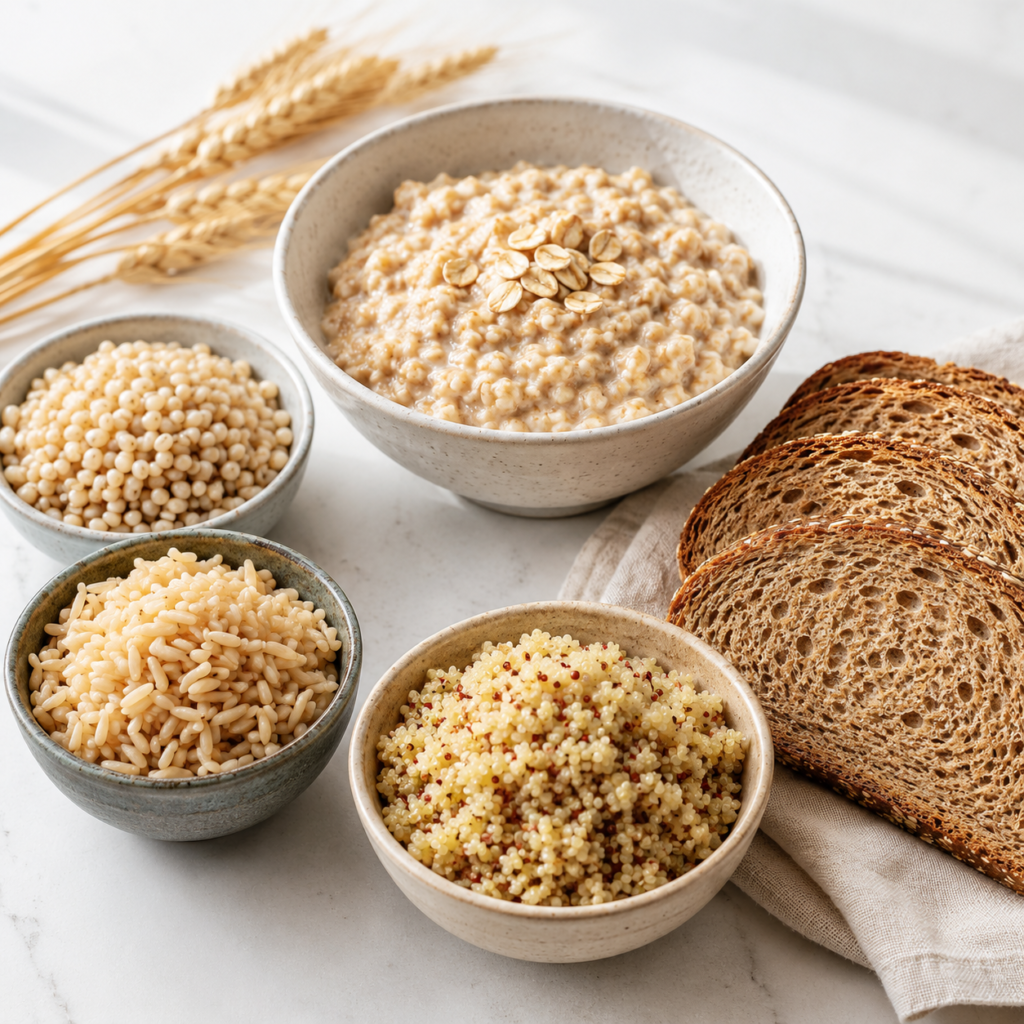
Whole grains are one of the easiest foods to add after 60.
Good choices include:
- Oats
- Brown rice
- Whole wheat bread
- Barley
- Quinoa
- Whole-grain pasta
- Millet
- Whole grain cereals with low added sugar
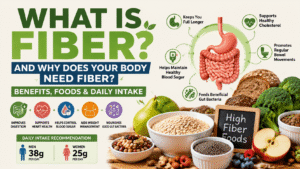
Whole grains give you fiber, B vitamins, minerals, and steady energy. Fiber is especially helpful because it supports digestion, helps with fullness, and can support healthy cholesterol levels.
A simple serving is:
- ½ cup cooked oats, rice, barley, or quinoa
- 1 slice whole-grain bread
- 1 small whole wheat roti or tortilla
Easy idea: Start your day with oatmeal, blueberries, and a spoon of ground flaxseed.
Beginner tip: If white bread or white rice is your habit, do not change everything overnight. Start by replacing one serving a day with a whole grain option.
2. Blueberries
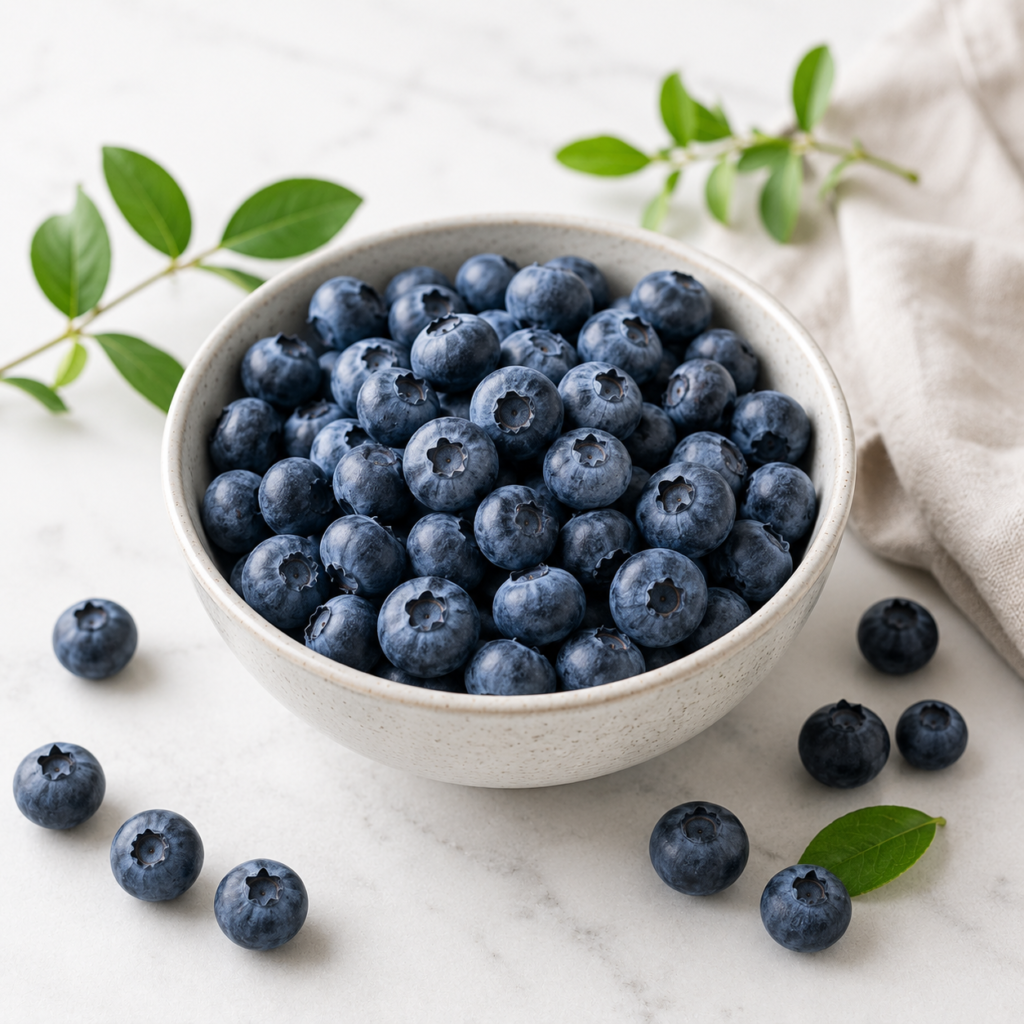
Blueberries are small, but they are powerful.
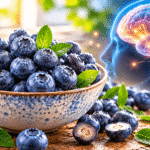
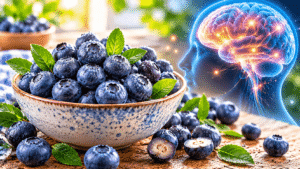
They contain antioxidants called anthocyanins, which are linked with brain and heart health. The original article also highlights blueberries for antioxidants and possible brain-aging benefits.
Blueberries may help support:
- Brain health
- Blood vessel health
- Gut health
- Healthy inflammation levels
A simple serving is:
- ½ cup to 1 cup blueberries
Fresh is good. Frozen is also good. Do not waste money thinking only fresh berries count.
Easy idea: Add frozen blueberries to oatmeal, yogurt, smoothies, or chia pudding.
Beginner tip: If blueberries are expensive, use other colorful fruits too—strawberries, blackberries, oranges, apples, or pomegranate. The bigger lesson is to eat more colorful plant foods.
3. Cruciferous Vegetables
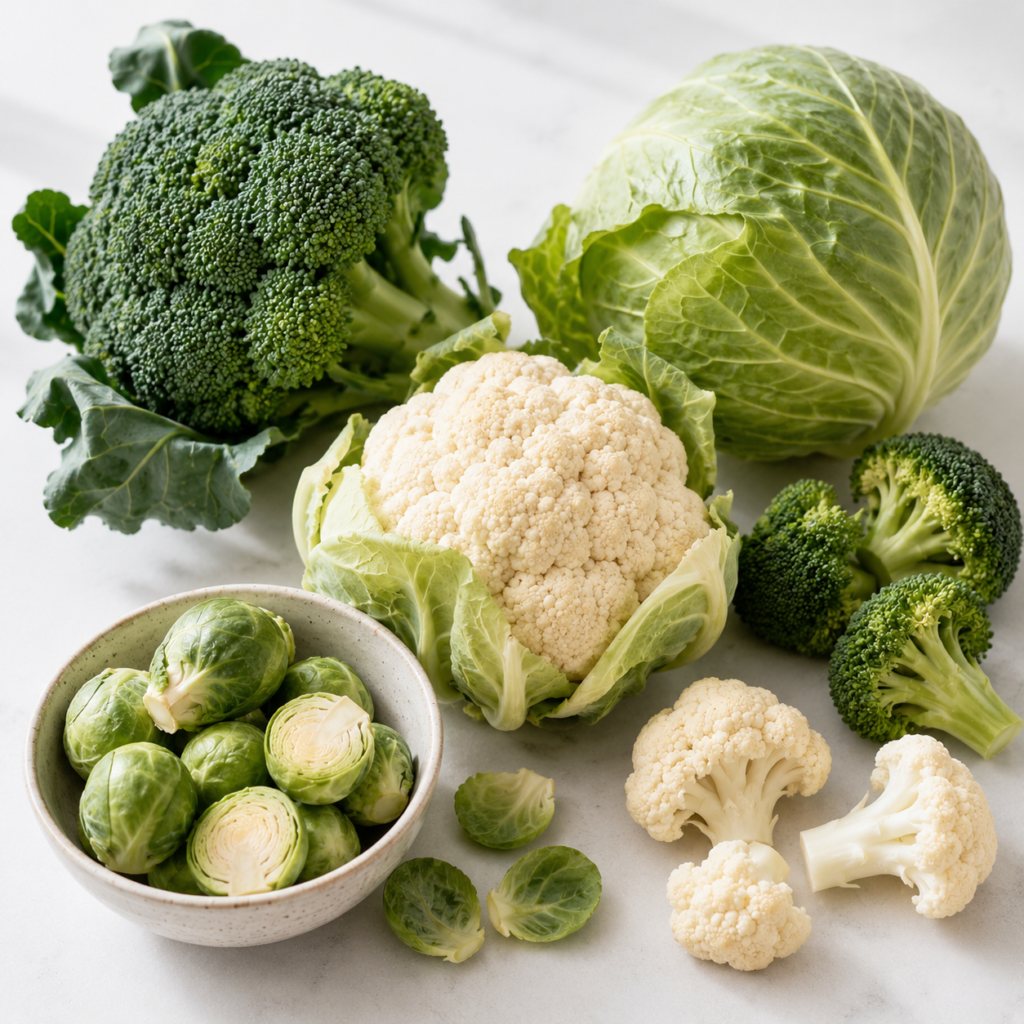
This group includes:
- Broccoli
- Cauliflower
- Cabbage
- Brussels sprouts
- Kale
- Bok choy
- Turnips
- Radish
These vegetables are rich in fiber, vitamin C, vitamin K, minerals, and natural plant compounds. They are especially useful because they support digestion, heart health, and healthy aging.
A simple serving is:
Easy idea: Steam broccoli and add olive oil, lemon juice, garlic, and a pinch of salt.
Beginner tip: If raw vegetables cause gas or bloating, cook them. Cooked vegetables are often easier to digest.
4. Nuts and Seeds
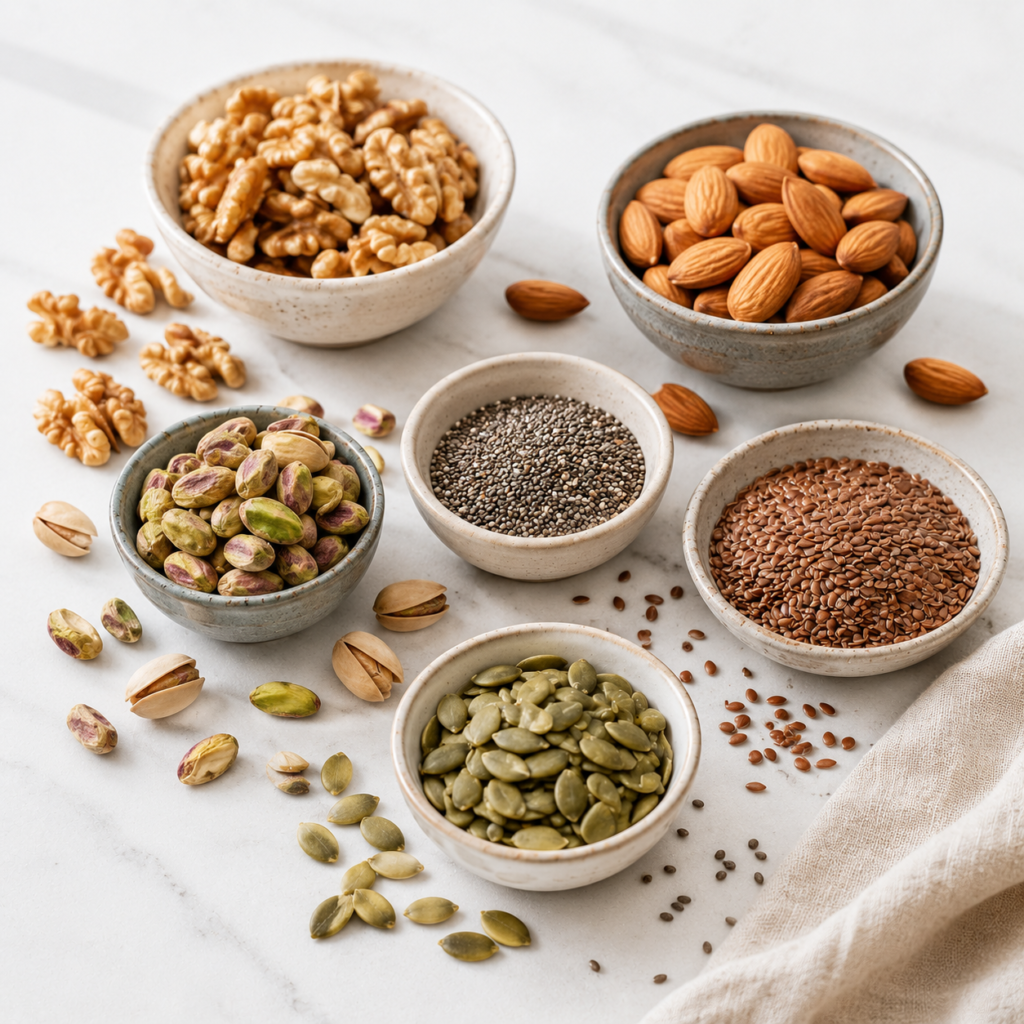
Nuts and seeds are helpful after 60 because they give you healthy fats, protein, fiber, magnesium, zinc, and antioxidants.
Good choices include:
- Walnuts
- Almonds
- Pistachios
- Peanuts
- Chia seeds
- Flaxseeds
- Pumpkin seeds
- Sunflower seeds
A simple serving is:
- 1 small handful of nuts
- 1 tablespoon seeds
- 1 tablespoon peanut butter or almond butter
The original article mentions nuts and seeds as nutrient-dense foods that may support heart and brain health.
Easy idea: Add ground flaxseed or chia seeds to oatmeal, yogurt, or smoothies.
Beginner tip: If chewing is hard, use nut butter or ground seeds instead of whole nuts.
Watch out: Nuts are healthy, but they are calorie-dense. More is not always better.
5. Dark Leafy Greens
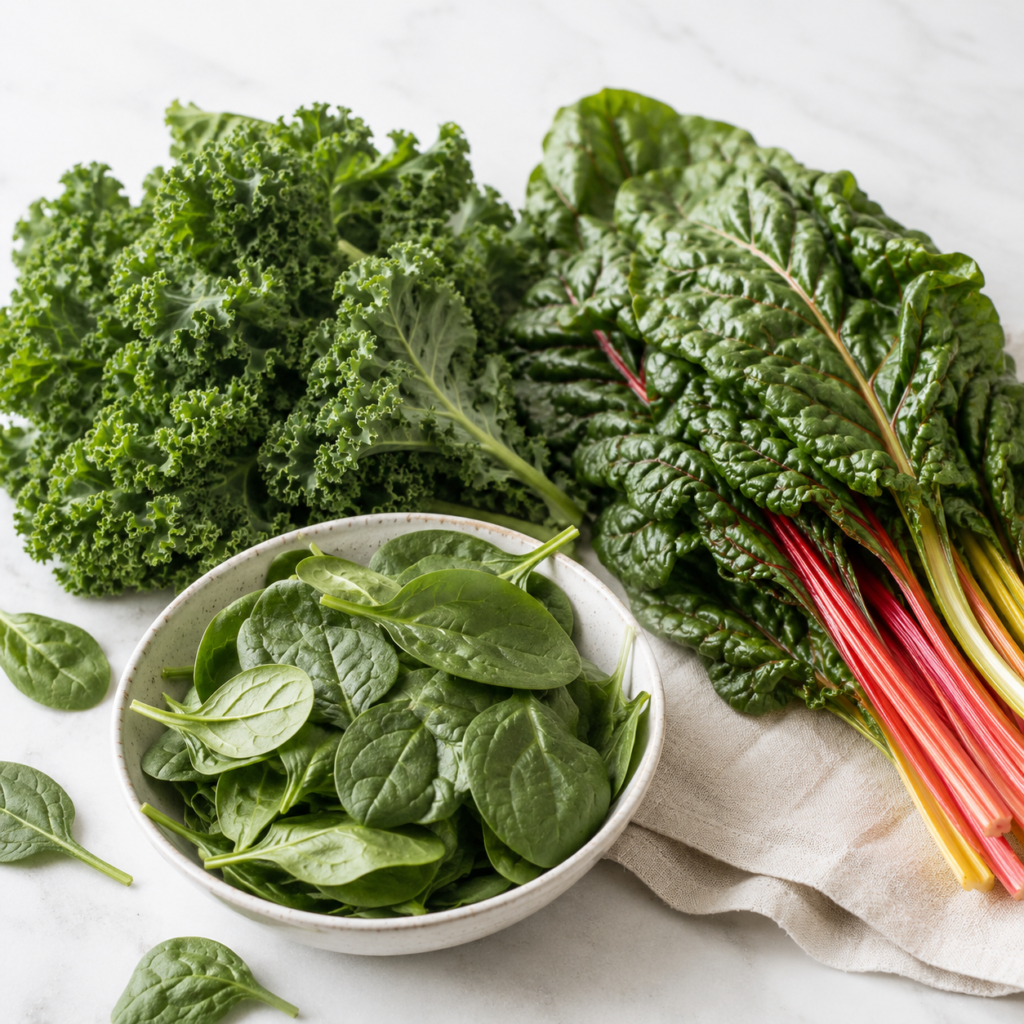
Dark leafy greens are among the best aging foods.
Good choices include:
- Spinach
- Kale
- Collard greens
- Mustard greens
- Swiss chard
- Romaine lettuce
- Turnip greens
They provide nutrients like vitamin K, folate, magnesium, fiber, and antioxidants. These nutrients support bones, brain health, blood vessels, and digestion.
A simple serving is:
- 1 cup raw greens
- ½ cup cooked greens
Easy idea: Add spinach to eggs, soup, lentils, pasta, or smoothies.
Important caution: If someone takes blood thinners like warfarin, they should not suddenly eat huge amounts of leafy greens without talking to their doctor. The issue is not that greens are “bad.” The issue is maintaining consistent vitamin K intake.
6. Grapes and Other Colorful Fruits
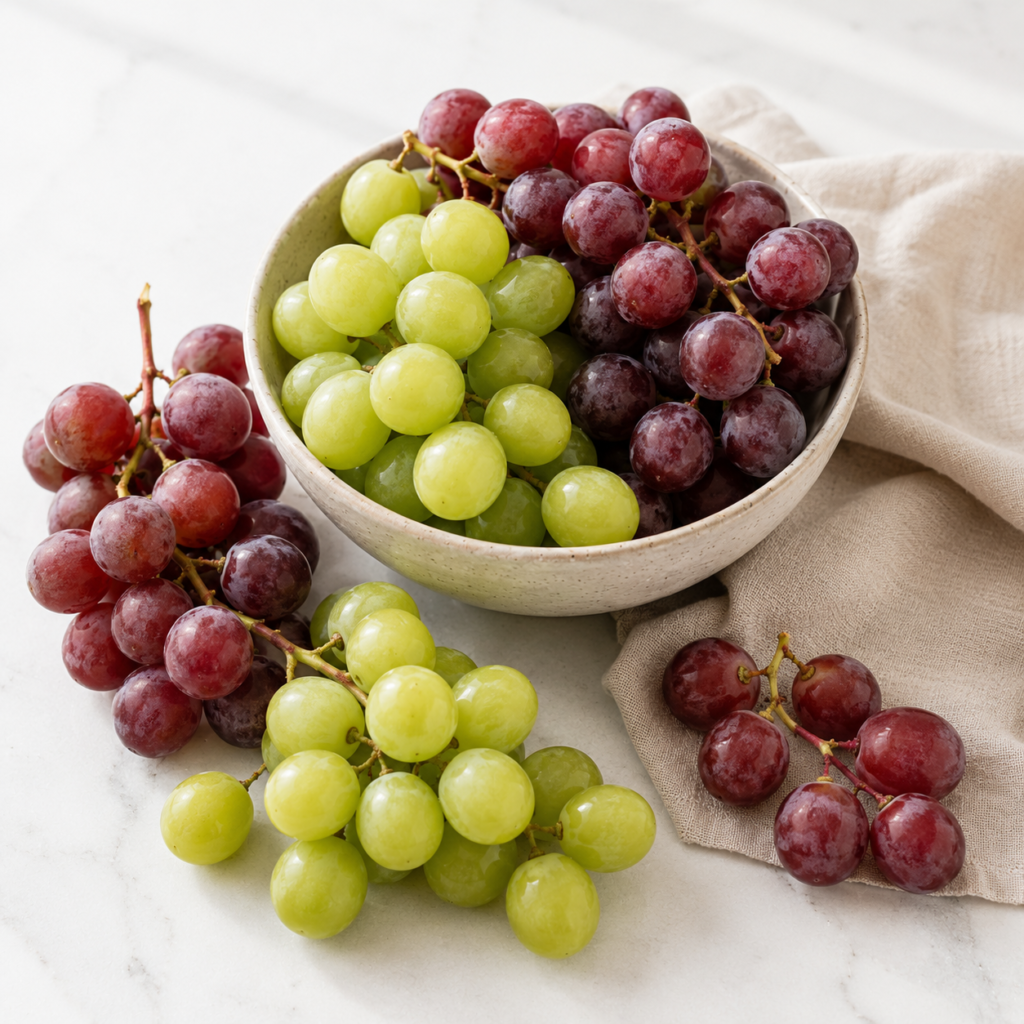
Grapes contain antioxidants, including resveratrol. But be careful with the hype: grapes are not magic. They are simply one useful fruit in a healthy diet.
Colorful fruits can support:
- Heart health
- Hydration
- Digestion
- Brain health
- Better snack choices
Good choices include:
- Grapes
- Apples
- Oranges
- Berries
- Kiwi
- Pomegranate
- Peaches
- Plums
A simple serving is:
- 1 cup grapes
- 1 medium fruit
- ½ cup chopped fruit
Easy idea: Pair grapes with walnuts or yogurt. This gives you fruit plus protein or healthy fat, which is better for fullness.
Diabetes tip: Fruit is healthy, but portion size still matters. Pair fruit with protein, nuts, or yogurt instead of eating a large bowl by itself.
7. Coffee or Tea
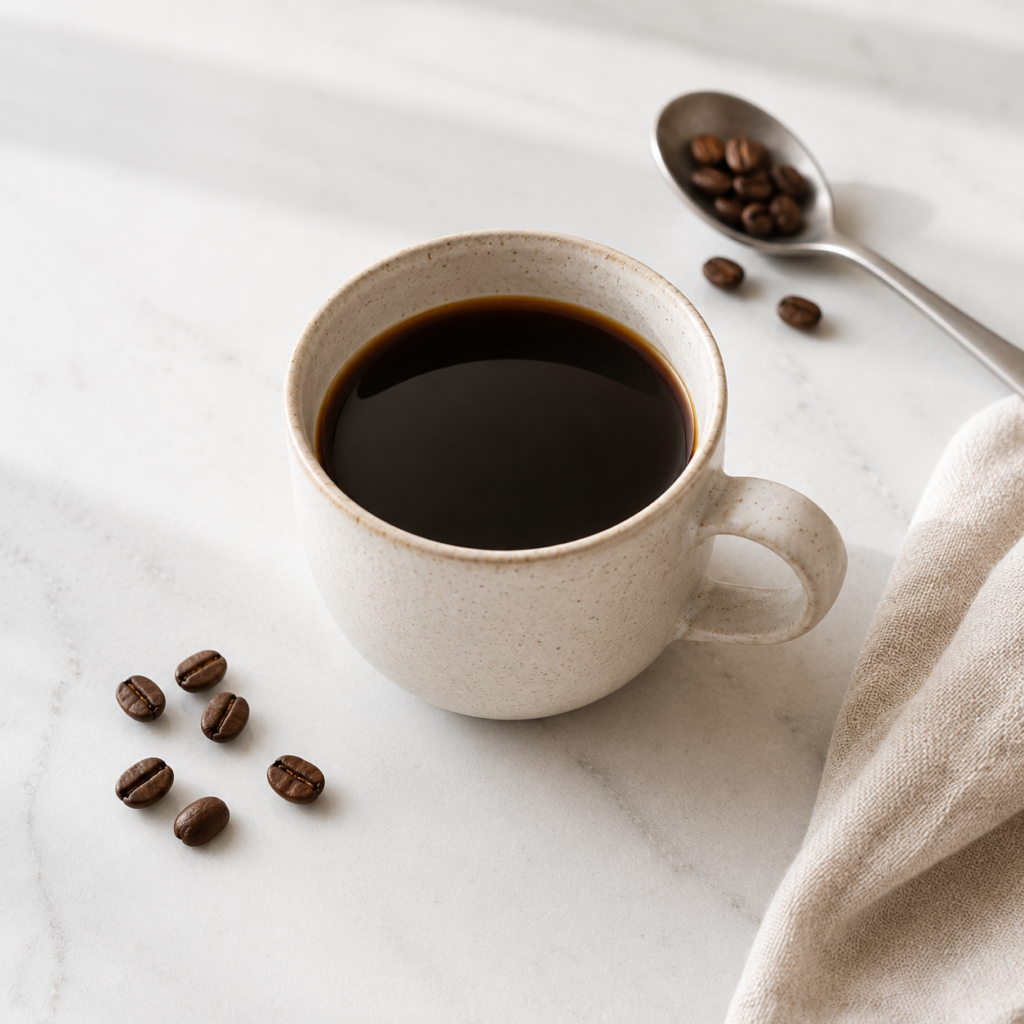
Coffee can be part of a healthy diet after 60, but only when it fits your body.
The original article says moderate coffee intake may be linked with a longer, healthier life and suggests limiting coffee to five cups or fewer per day.
Coffee contains natural plant compounds, and both caffeinated and decaf coffee may have benefits. But here is the part beginners need to hear clearly:
Coffee is not healthy if it ruins your sleep.
Be careful with coffee if you have:
- Poor sleep
- Anxiety
- Acid reflux
- Fast heartbeat
- High blood pressure that is not controlled
- Tremors
- Caffeine sensitivity
Easy idea: Drink coffee earlier in the day and avoid loading it with sugar, syrups, or whipped cream.
Better option for some people: Green tea, black tea, herbal tea, or decaf coffee.
8. Fish
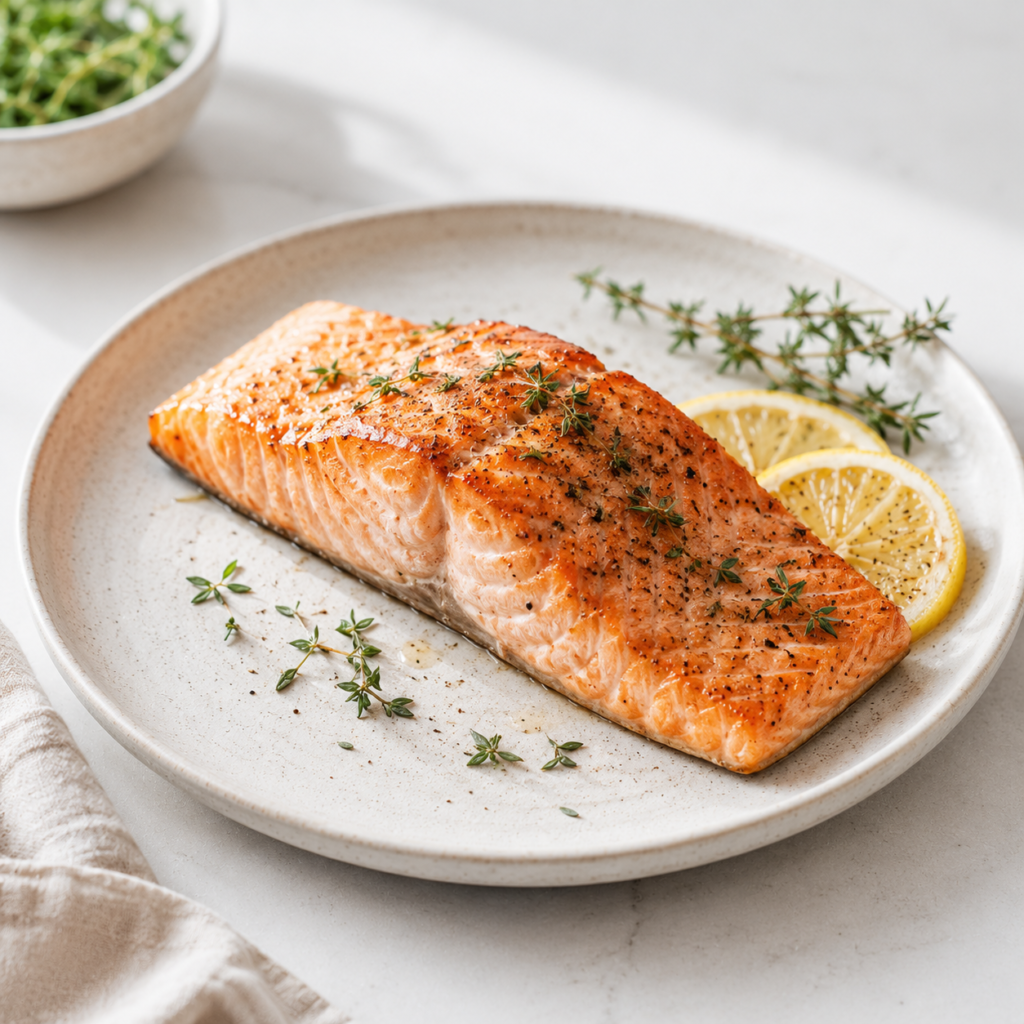
Fish is one of the most important foods after 60 because it gives you protein, vitamin D, and omega-3 fats.
Good choices include:
- Salmon
- Sardines
- Trout
- Herring
- Mackerel
- Tuna
- Anchovies
The American Heart Association recommends eating 2 servings of fish per week, especially fatty fish. One serving is about 3 ounces cooked, or about ¾ cup flaked fish.
Fish supports:
- Heart health
- Brain health
- Muscle maintenance
- Bone health
- Healthy inflammation balance
Easy idea: Try salmon with brown rice and steamed broccoli.
Budget idea: Canned sardines, canned salmon, or canned tuna can be cheaper than fresh fish.
Caution: Choose lower-mercury fish more often, especially for people who eat fish many times per week.
9. Legumes
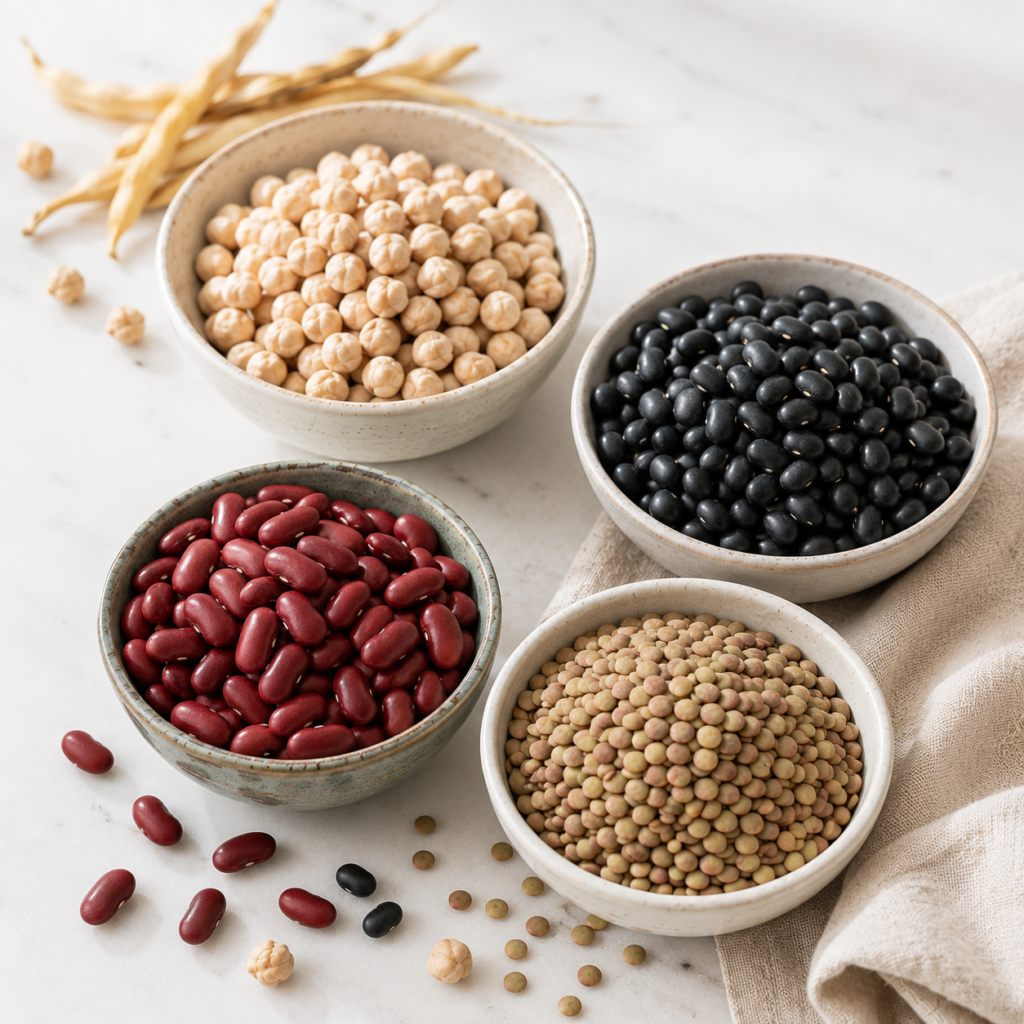
Legumes include:
- Lentils
- Chickpeas
- Black beans
- Kidney beans
- Peas
- Soybeans
- Tofu
- Tempeh
Legumes are excellent after 60 because they give you plant protein, fiber, magnesium, potassium, and B vitamins. The original article also notes that legumes are linked with longevity and may help support cholesterol and overall health.
A simple serving is:
- ½ cup cooked beans, lentils, or chickpeas
Easy idea: Make lentil soup with carrots, spinach, garlic, and olive oil.
Beginner tip: If beans cause gas, start small. Try 2–3 tablespoons at first, rinse canned beans well, and increase slowly.
Bonus Food the Original Article Should Have Included: Yogurt, Milk, or Fortified Soy
This is a real gap in the original article.
After 60, people need to think seriously about protein, calcium, vitamin D, and vitamin B12. Dairy foods and fortified soy foods can help.
Good choices include:
- Plain Greek yogurt
- Milk
- Kefir
- Cottage cheese
- Fortified soy milk
- Fortified soy yogurt
These foods can support:
- Muscle
- Bone strength
- Gut health
- Protein intake
- Vitamin B12 intake
Some older adults have trouble absorbing vitamin B12 naturally found in foods, and fortified foods or supplements may be needed under medical guidance.
Easy idea: Plain Greek yogurt with blueberries and chia seeds is a strong breakfast or snack.
Avoid: Sweetened yogurts with lots of added sugar. Choose plain and add fruit.
Do Not Forget Water
Water is not a food, but it matters a lot after 60.
Older adults are at higher risk of low fluid intake. ESPEN guidance says older women should generally be offered at least 1.6 liters of drinks per day, and older men at least 2.0 liters, unless a medical condition requires a different fluid plan.
Good options include:
- Water
- Milk
- Tea
- Soup
- Fruit with high water content
- Unsweetened drinks
Caution: People with heart failure, kidney disease, or fluid restrictions should follow their doctor’s advice.
Foods to Limit After 60
You do not need to ban everything. But you should limit foods that give a lot of calories and very little nutrition.
Limit:
- Sugary drinks
- White bread and refined grains
- Packaged cakes, cookies, and pastries
- Fried fast foods
- Processed meats
- Foods high in trans fat
- Too much saturated fat
- Ultra-processed snacks
- High-sodium packaged meals
The original article lists refined grains, sugar-sweetened beverages, saturated fat, trans fat, ultra-processed foods, and baked goods as foods to limit for healthier aging.
A simple rule:
Eat more foods that look close to nature, and fewer foods that come in shiny packages with long ingredient lists.
Simple One-Day Meal Plan After 60
Breakfast
Oatmeal with blueberries, chia seeds, and plain Greek yogurt.
Lunch
Lentil soup with spinach, carrots, and a slice of whole-grain bread.
Snack
A small handful of walnuts with grapes.
Dinner
Salmon or sardines with broccoli and brown rice.
Drink
Water throughout the day. Coffee or tea earlier if tolerated.
This kind of day gives protein, fiber, healthy fats, antioxidants, and minerals without being complicated.
Quick Shopping List
Buy these often:
- Oats
- Brown rice or quinoa
- Blueberries or mixed berries
- Broccoli or cabbage
- Spinach or kale
- Lentils or beans
- Salmon, sardines, or tuna
- Plain yogurt or fortified soy milk
- Walnuts, almonds, chia, or flaxseed
- Olive oil
- Eggs
- Apples, oranges, or grapes
Who Should Be More Careful?
Some people need personal advice, not generic diet tips.
Talk to a doctor or registered dietitian if you have:
- Kidney disease
- Diabetes
- Heart failure
- Trouble swallowing
- Poor appetite
- Unplanned weight loss
- Food allergies
- Dental problems
- Digestive disease
- Blood thinner medication use
- Recent surgery or illness
This matters because “healthy foods” are not automatically right for every medical condition.
Final Takeaway
After 60, the best diet is not extreme. It is steady, simple, and nutrient-dense.
Eat more:
- Whole grains
- Berries
- Vegetables
- Leafy greens
- Nuts and seeds
- Fish
- Beans and lentils
- Yogurt or fortified soy
- Water
Eat less:
- Sugary drinks
- Refined grains
- Processed snacks
- Fried foods
- Processed meats
- Packaged sweets
The real goal is not just to live longer. The goal is to stay strong, clear-minded, independent, and active for as long as possible.
FAQs
What is the best breakfast after 60?
A strong breakfast includes protein, fiber, and healthy carbs. Good examples are oatmeal with Greek yogurt and berries, eggs with whole grain toast and spinach, or a smoothie with yogurt, berries, and ground flaxseed.
Should people over 60 eat more protein?
Many older adults need to pay more attention to protein because it helps maintain muscle, strength, healing, and immune function. Protein needs vary, but older adult nutrition guidance often recommends at least 1 gram per kilogram of body weight per day, adjusted for health status.
Are eggs good after 60?
Yes, eggs can be a useful food after 60. They provide protein, vitamin B12, choline, and other nutrients. People with specific cholesterol or heart disease concerns should follow their clinician’s advice.
What foods should seniors avoid?
Seniors do not need to avoid every treat, but they should limit sugary drinks, refined grains, ultra-processed snacks, fried foods, processed meats, trans fats, and packaged baked goods.
Is coffee safe after 60?
Coffee can be fine for many older adults, especially earlier in the day. But people with insomnia, reflux, anxiety, irregular heartbeat, or caffeine sensitivity may need to limit it or choose decaf.