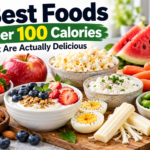
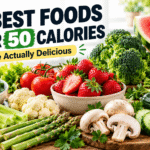
Low Calorie Foods: The Ultimate Beginner’s Guide to Healthy Weight Loss
Starting a weight loss journey can feel overwhelming. Many beginners believe they must stop eating their favorite foods, skip meals, or follow extreme diets to lose weight. The truth is much simpler.
Choosing the right low-calorie foods can help you lose weight naturally while still enjoying satisfying meals every day.
The key to successful weight loss is not starving yourself. It is learning how to eat foods that keep you full, energized, and healthy without consuming too many calories.
This complete guide from Excelfitz will help you understand:
- What low-calorie foods are
- Which foods burn fat effectively
- How to stay full longer
- The best snacks for weight loss
- Beginner-friendly meal ideas
- Smart nutrition strategies that actually work
Whether your goal is fat loss, healthy eating, or improving your fitness lifestyle, this guide will help you make smarter food choices.
What Are Low-Calorie Foods?
Low-calorie foods are foods that contain fewer calories per serving compared to highly processed or high-fat foods.
Most low-calorie foods are:
- Rich in water
- High in fiber
- Packed with nutrients
- Naturally filling
- Lower in sugar and unhealthy fats
These foods help create a calorie deficit, which is essential for weight loss.
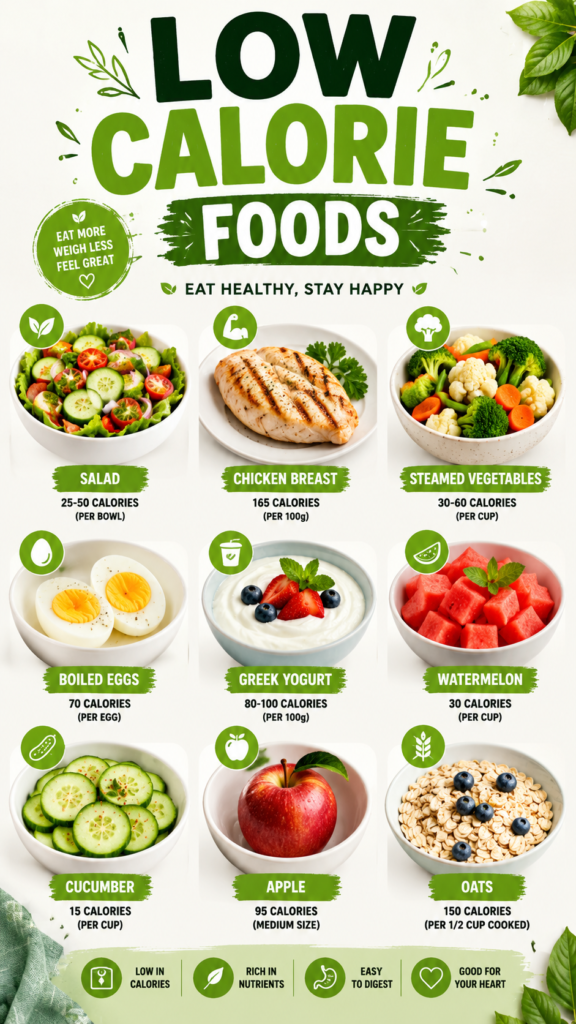
Examples of Low-Calorie Foods
- Cucumbers
- Spinach
- Broccoli
- Greek yogurt
- Chicken breast
- Eggs
- Watermelon
- Oatmeal
- Strawberries
- Zucchini
Many of these foods are considered low-energy-density foods, meaning you can eat larger portions without consuming excessive calories.
Why Low-Calorie Foods Matter for Weight Loss
Weight loss happens when your body burns more calories than you consume.
This is called a calorie deficit.
However, eating less does not always mean eating better. If you only reduce portions without choosing nutritious foods, you may feel:
- Hungry all the time
- Tired
- Irritable
- Unmotivated
Low-calorie foods solve this problem because they provide volume, nutrition, and satiety.
Benefits of Low-Calorie Foods
- Support healthy fat loss
- Reduce overeating
- Improve digestion
- Help control cravings
- Increase energy levels
- Support metabolism
- Improve heart health
For beginners, switching to healthier, low-calorie foods is often the easiest and most sustainable way to lose weight.
Best Low-Calorie Foods for Beginners
1. Cucumbers
Calories: ~16 per cup
Cucumbers are refreshing, hydrating, and extremely low in calories. They make a perfect snack for people trying to reduce unnecessary eating.
2. Lettuce
Calories: ~5–10 per cup
Lettuce adds volume to meals without adding many calories.
3. Watermelon
Calories: ~46 per cup
Watermelon satisfies sweet cravings while keeping calorie intake low.
4. Greek Yogurt
Calories: ~100 per serving
Greek yogurt is rich in protein and helps keep you full longer.
5. Eggs
Calories: ~70 per egg
Eggs are nutrient-dense and ideal for breakfast.
6. Broccoli
Calories: ~31 per cup
Broccoli contains fiber, vitamins, and antioxidants.
7. Oatmeal
Calories: ~150 per bowl
Oats are excellent for appetite control and digestion.
8. Chicken Breast
Calories: ~165 per serving
Chicken breast is one of the best high-protein, low-calorie foods.
9. Strawberries
Calories: ~49 per cup
Naturally sweet and rich in vitamin C.
10. Spinach
Calories: ~7 per cup
Spinach is one of the most nutrient-rich foods available.
High-Protein, Low-Calorie Foods
Protein is essential during weight loss because it:
- Preserves muscle
- Reduces hunger
- Improves metabolism
- Helps recovery after exercise
Best High-Protein Low-Calorie Foods
| Food |
Calories |
Protein |
| Chicken Breast |
165 |
31g |
| Greek Yogurt |
100 |
10g |
| Tuna |
120 |
26g |
| Cottage Cheese |
90 |
11g |
| Eggs |
70 |
6g |
| Turkey Breast |
135 |
30g |
| Tofu |
80 |
8g |
| Shrimp |
99 |
24g |
Adding protein to every meal can significantly reduce cravings and overeating.
Low-Calorie Foods That Keep You Full
Many beginners struggle because they constantly feel hungry.
The solution is choosing foods high in:
- Fiber
- Protein
- Water content
Filling Low-Calorie Foods
- Oatmeal
- Apples
- Popcorn (air-popped)
- Lentils
- Chia seeds
- Sweet potatoes
- Greek yogurt
- Eggs
- Beans
- Soup-based meals
These foods support appetite control and help prevent binge eating.
Best Low-Calorie Snacks
Snacking is not the enemy of weight loss. Smart snacking can actually prevent overeating later in the day.
Healthy Low-Calorie Snack Ideas
Apple Slices With Peanut Butter
Balanced carbs and healthy fats.
Air-Popped Popcorn
Low-calorie and satisfying.
Greek Yogurt With Berries
High protein and naturally sweet.
Carrot Sticks and Hummus
Crunchy and nutritious.
Boiled Eggs
Simple and filling.
Rice Cakes
Light snack option.
Cottage Cheese
Rich in protein and calcium.
Frozen Grapes
Perfect for sweet cravings.
Fruits Low in Calories
Fruits are naturally nutrient-dense and often lower in calories than processed desserts.
Best Low-Calorie Fruits
| Fruit |
Calories Per Cup |
| Strawberries |
49 |
| Watermelon |
46 |
| Papaya |
55 |
| Cantaloupe |
53 |
| Peaches |
60 |
| Oranges |
62 |
| Pineapple |
82 |
| Blueberries |
84 |
Fruits also contain antioxidants, fiber, and vitamins that support overall health.
Vegetables Low in Calories
Vegetables are among the best foods for healthy weight loss.
Best Low-Calorie Vegetables
- Spinach
- Kale
- Broccoli
- Zucchini
- Bell peppers
- Tomatoes
- Mushrooms
- Cauliflower
- Celery
- Cabbage
These vegetables can add volume to meals while keeping calories under control.
Low-Calorie Meal Ideas
Breakfast
- Oatmeal with berries
- Greek yogurt parfait
- Egg white omelet with spinach
Lunch
- Grilled chicken salad
- Turkey lettuce wraps
- Vegetable soup
Dinner
- Salmon with broccoli
- Stir-fried vegetables and tofu
- Chicken breast with roasted vegetables
Snacks
- Apple slices
- Air-popped popcorn
- Cottage cheese
How to Build a Low-Calorie Diet
Step 1: Focus on Whole Foods
Avoid ultra-processed foods whenever possible.
Step 2: Increase Protein Intake
Protein helps preserve muscle and control hunger.
Step 3: Fill Half Your Plate With Vegetables
Vegetables provide volume with fewer calories.
Step 4: Drink More Water
Hydration can reduce unnecessary snacking.
Step 5: Control Portions
Even healthy foods can lead to weight gain if portions are too large.
Common Weight Loss Mistakes Beginners Make
Skipping Meals
Skipping meals often leads to overeating later.
Drinking Calories
Sugary drinks can destroy a calorie deficit quickly.
Eating “Healthy” Junk Foods
Many marketed health foods are still high in calories.
Avoiding All Carbs
Healthy carbohydrates are important for energy.
Expecting Fast Results
Sustainable fat loss takes consistency.
Foods to Avoid During Weight Loss
While no food is completely forbidden, limiting these foods can help:
- Sugary drinks
- Fast food
- Fried foods
- Processed snacks
- Candy
- Excess alcohol
- Pastries
- High sugar cereals
Replacing these with healthier, low-calorie foods can dramatically improve results.
Beginner Weight Loss Tips That Actually Work
Start Small
Do not change everything overnight.
Walk Daily
Even 20–30 minutes helps.
Sleep Properly
Poor sleep increases hunger hormones.
Eat Slowly
This improves fullness signals.
Track Progress
Focus on consistency, not perfection.
Build Healthy Habits
Long-term habits create long-term results.
Frequently Asked Questions About Low-Calorie Foods
What foods are lowest in calories?
Foods like lettuce, cucumbers, celery, spinach, and zucchini are among the lowest-calorie foods.
Are low-calorie foods good for weight loss?
Yes. Low-calorie foods help create a calorie deficit while keeping you full and satisfied.
Which low-calorie foods keep you full the longest?
Protein-rich and fiber-rich foods like oats, eggs, Greek yogurt, beans, and chicken breast help keep you full longer.
Can I eat unlimited low-calorie foods?
Portion control still matters, but many low-calorie vegetables can be eaten in larger amounts.
Are fruits good for fat loss?
Yes. Fruits provide fiber, vitamins, and natural sweetness with relatively low calories.
What is the best low-calorie snack?
Greek yogurt, popcorn, boiled eggs, and fruits are excellent low-calorie snack options.
Final Thoughts
Weight loss does not require starvation, extreme dieting, or giving up your favorite meals forever.
The real secret is learning how to choose smarter, more filling, and nutrient-dense low-calorie foods that support your health goals.
When you focus on:
- Protein
- Fiber
- Whole foods
- Portion control
- Consistency
You make weight loss easier, healthier, and more sustainable.
Start small. Stay consistent. Focus on progress over perfection.
The healthiest transformation is the one you can maintain for life.