
What Are the Best Breakfast, Lunch, and Dinner Meals After 60 for Healthy Aging?
A healthy diet after age 60 is not about eating less food; it is about choosing foods that provide more nutrition, strength, and energy. The best breakfast, lunch, and dinner meals after 60 include a balance of protein, fiber, healthy fats, vitamins, minerals, and enough calories to support the changing needs of an older body.
For adults over 60, meals should focus on maintaining muscle strength, supporting heart health, protecting bones, improving digestion, and helping maintain independence. Simple meals made with whole foods can provide the nutrients needed for healthy aging.
The best daily eating pattern after 60 usually includes:
- A protein-rich breakfast to support muscles and energy
- A balanced lunch with vegetables, whole grains, and lean protein
- A nutrient-dense dinner that is satisfying but easy to digest
A healthy meal plan does not need to be complicated. Small improvements, such as adding more vegetables, increasing protein, choosing whole grains, and reducing highly processed foods, can make a meaningful difference.
Why Do Nutrition Needs Change After Age 60?
Nutrition needs often change after age 60 because the body experiences natural changes in muscle mass, metabolism, digestion, appetite, and nutrient absorption. Older adults generally need more nutrient-dense foods because they may require fewer calories but still need essential nutrients.
As people age, maintaining muscle becomes especially important. Age-related muscle loss, known as sarcopenia, can affect strength, balance, mobility, and independence.
A healthy diet after 60 should focus on:
- Preserving muscle through adequate protein intake
- Supporting bones with calcium and vitamin D
- Improving digestion through fiber-rich foods
- Protecting the heart with healthy fats and lower-sodium choices
- Supporting brain health with nutrient-rich foods
According to the National Institute on Aging, healthy eating patterns can support healthy aging by providing nutrients needed for energy, disease prevention, and overall wellness.
Why Does Protein Become More Important After 60?
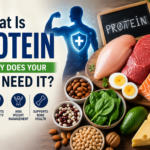
Protein becomes more important after 60 because older adults often lose muscle mass more easily and may need more protein to maintain muscle strength.
Protein helps the body:
- Repair and maintain muscles
- Support immune function
- Recover after physical activity
- Maintain strength and mobility
Good protein choices for adults over 60 include:
| Protein Food | Why It Helps |
|---|---|
| Eggs | Complete protein and easy to prepare |
| Greek yogurt | High protein supports bone health |
| Fish | Provides protein and omega-3 fatty acids |
| Chicken or turkey | Lean protein options |
| Beans and lentils | Protein plus fiber |
| Tofu | Plant-based protein source |
| Nuts and seeds | Protein with healthy fats |
A practical approach is to include a source of protein at every major meal rather than eating most protein at only one time of the day.
Which Nutrients Should Older Adults Focus On Daily?
Older adults should focus on nutrients that support strength, immunity, digestion, and healthy aging.
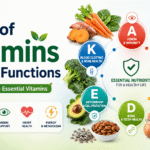
Important nutrients after 60 include:
Protein
Supports muscle maintenance and physical strength.
Sources:
- Fish
- Eggs
- Dairy products
- Lean meats
- Legumes
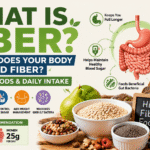
Fiber
Fiber supports:
- Healthy digestion
- Regular bowel movements
- Blood sugar control
- Heart health
Sources:
- Vegetables
- Fruits
- Oats
- Beans
- Whole grains
Calcium and Vitamin D
These nutrients support bone health and help reduce the risk of bone weakness.
Sources:
- Milk
- Yogurt
- Fortified foods
- Leafy green vegetables
- Fatty fish
Vitamin B12
Vitamin B12 is important for nerve function and red blood cell production. Some older adults may absorb less vitamin B12 as they age.
Sources:
- Fish
- Eggs
- Dairy
- Fortified cereals
Healthy Fats
Healthy fats support heart and brain health.
Sources:
- Olive oil
- Avocado
- Nuts
- Seeds
- Salmon
What Is the Best Breakfast to Eat After 60?
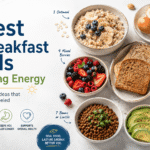
The best breakfast after 60 is a meal that combines protein, fiber, and healthy fats to provide steady energy and support muscle health.
A good senior breakfast should avoid being mostly refined carbohydrates, such as sugary cereals or pastries, because these foods may provide quick energy but fewer nutrients.
A balanced breakfast formula:
Protein + Fiber + Healthy Fat + Hydration
Examples:
- Greek yogurt + berries + walnuts
- Oatmeal + chia seeds + almonds
- Eggs + vegetables + whole-grain toast
- Cottage cheese + fruit
- Smoothie with protein, berries, and greens
Which High-Protein Breakfast Foods Are Best for Seniors?
High-protein breakfast foods can help older adults maintain muscle and feel satisfied throughout the morning.
Some excellent choices include:
Eggs With Vegetables
Eggs provide complete protein and contain important nutrients such as vitamin B12 and choline.
Example meal:
- Two eggs
- Spinach or other vegetables
- Whole-grain toast
- Fresh fruit
Greek Yogurt With Fruits and Nuts
Greek yogurt is a convenient protein-rich option that also provides calcium.
Example:
- Plain Greek yogurt
- Blueberries
- Walnuts
- Chia seeds
Benefits:
- Protein for muscles
- Calcium for bones
- Fiber from fruits and seeds
Oatmeal With Added Protein
Oatmeal provides fiber, especially beta-glucan fiber, which supports heart health.
A stronger oatmeal meal can include:
- Rolled oats
- Milk or Greek yogurt
- Nuts
- Seeds
- Fresh fruit
What Fiber-Rich Breakfast Ideas Support Healthy Aging?
Fiber-rich breakfasts help support digestion and may help maintain healthy cholesterol and blood sugar levels.
Good choices include:
- Oatmeal with berries
- Whole-grain toast with avocado
- Fruit with nuts
- Vegetable omelets
- Chia seed pudding
Older adults should increase fiber gradually and drink enough water to support digestion.
What Are Simple Breakfast Mistakes Older Adults Should Avoid?
Some common breakfast mistakes after 60 include:
Eating Too Little Protein
A breakfast containing only toast, tea, or cereal may not provide enough protein for muscle maintenance.
Better option:
Add:
- Eggs
- Yogurt
- Nuts
- Beans
- Protein-rich foods
Choosing Too Much Added Sugar
Foods such as sweet pastries, sugary cereals, and flavored drinks may add calories without providing important nutrients.
Better options:
Choose:
- Fresh fruit
- Plain yogurt
- Whole grains
Skipping Breakfast Because of Low Appetite
Some older adults experience reduced appetite. Instead of skipping meals completely, smaller nutrient-rich meals may work better.
Examples:
- A smoothie
- Yogurt with fruit
- A small egg breakfast
What Is the Best Lunch to Eat After 60?
The best lunch after 60 includes lean protein, vegetables, fiber-rich carbohydrates, and healthy fats. A balanced lunch helps maintain afternoon energy and provides nutrients needed for healthy aging.
A simple healthy lunch plate can include:
- ½ plate of vegetables
- ¼ plate protein
- ¼ plate whole grains or healthy carbohydrates
Examples:
- Grilled chicken salad with olive oil dressing
- Lentil soup with whole-grain bread
- Salmon with vegetables
- Turkey and avocado sandwich on whole-grain bread
- Bean and vegetable bowl
What Should a Healthy Senior Lunch Plate Include?
A balanced senior lunch should contain four important components:
| Meal Component | Examples | Purpose |
|---|---|---|
| Protein | Fish, chicken, beans, eggs | Supports muscle |
| Vegetables | Leafy greens, carrots, broccoli | Provides vitamins and minerals |
| Whole grains | Brown rice, oats, quinoa | Provides energy and fiber |
| Healthy fats | Olive oil, avocado, nuts | Supports heart and brain health |
Which Lunch Foods Support Heart and Brain Health?
Heart- and brain-supporting lunch choices often include foods found in Mediterranean-style eating patterns.
Helpful foods include:
- Fatty fish such as salmon or sardines
- Leafy green vegetables
- Olive oil
- Nuts
- Beans
- Colorful fruits
These foods provide nutrients such as:
- Omega-3 fatty acids
- Antioxidants
- Fiber
- Minerals
What Is the Best Dinner to Eat After 60?
The best dinner after 60 is a balanced, nutrient-dense meal that provides protein for muscle maintenance, vegetables for vitamins and minerals, and healthy carbohydrates for energy. Dinner should be satisfying but not excessively heavy, especially for older adults who may experience slower digestion.
A healthy dinner after 60 can include:
- Lean protein
- Colorful vegetables
- Whole grains or healthy carbohydrates
- Healthy fats
- Adequate fluids
Examples of healthy dinners:
- Grilled salmon with roasted vegetables and quinoa
- Chicken breast with sweet potato and green beans
- Lentil soup with a side salad
- Turkey and vegetable stir-fry
- Vegetable omelet with whole-grain toast
The goal is not to eat a perfect meal every night. The goal is to create a consistent pattern of meals that supports strength, energy, and overall health.
Which Dinner Foods Help Maintain Muscle Strength?
Dinner foods that support muscle strength after 60 are those that provide high-quality protein and essential nutrients.
Muscle maintenance becomes increasingly important with age because reduced muscle mass can affect:
- Balance
- Mobility
- Independence
- Recovery after illness or injury
Good muscle-supporting dinner choices include:
Fish
Fish provides protein and many varieties also contain omega-3 fatty acids.
Examples:
- Salmon
- Sardines
- Trout
- Tuna
Benefits:
- Supports heart health
- Provides essential nutrients
- Helps create a balanced meal
Lean Poultry
Chicken and turkey are convenient sources of protein.
Healthy options:
- Grilled chicken
- Roasted turkey
- Chicken vegetable soup
Pair with:
- Vegetables
- Brown rice
- Beans
- Whole grains
Beans and Lentils
Plant-based proteins are excellent options for older adults.
Benefits:
- Protein
- Fiber
- Minerals
- Long-lasting energy
Examples:
- Lentil soup
- Chickpea salad
- Black bean bowls
Should Seniors Eat a Lighter Dinner?
Many older adults benefit from eating a moderate dinner that is easy to digest, but the ideal meal size depends on individual health needs, activity level, appetite, and medical conditions.
A lighter dinner does not mean eating too little.
A healthy lighter dinner can include:
- Vegetable soup with beans
- Fish with vegetables
- Greek yogurt with fruit and nuts
- Small portions of whole grains with protein
Avoid making dinner only of carbohydrates, such as a large serving of pasta or bread without protein and vegetables.
What Are Easy Healthy Dinner Ideas After 60?
Older adults often prefer meals that are simple, affordable, and easy to prepare.
Here are practical dinner ideas:
| Dinner Idea | Main Nutrients |
|---|---|
| Salmon + vegetables + brown rice | Protein, omega-3 fats, fiber |
| Chicken soup with vegetables | Protein, hydration, vitamins |
| Lentil curry with vegetables | Plant protein, fiber |
| Turkey lettuce wraps | Lean protein, low carbohydrate |
| Vegetable frittata | Protein, vitamins, minerals |
| Bean chili | Protein, fiber, antioxidants |
Which Foods Should Adults Over 60 Eat More Often?
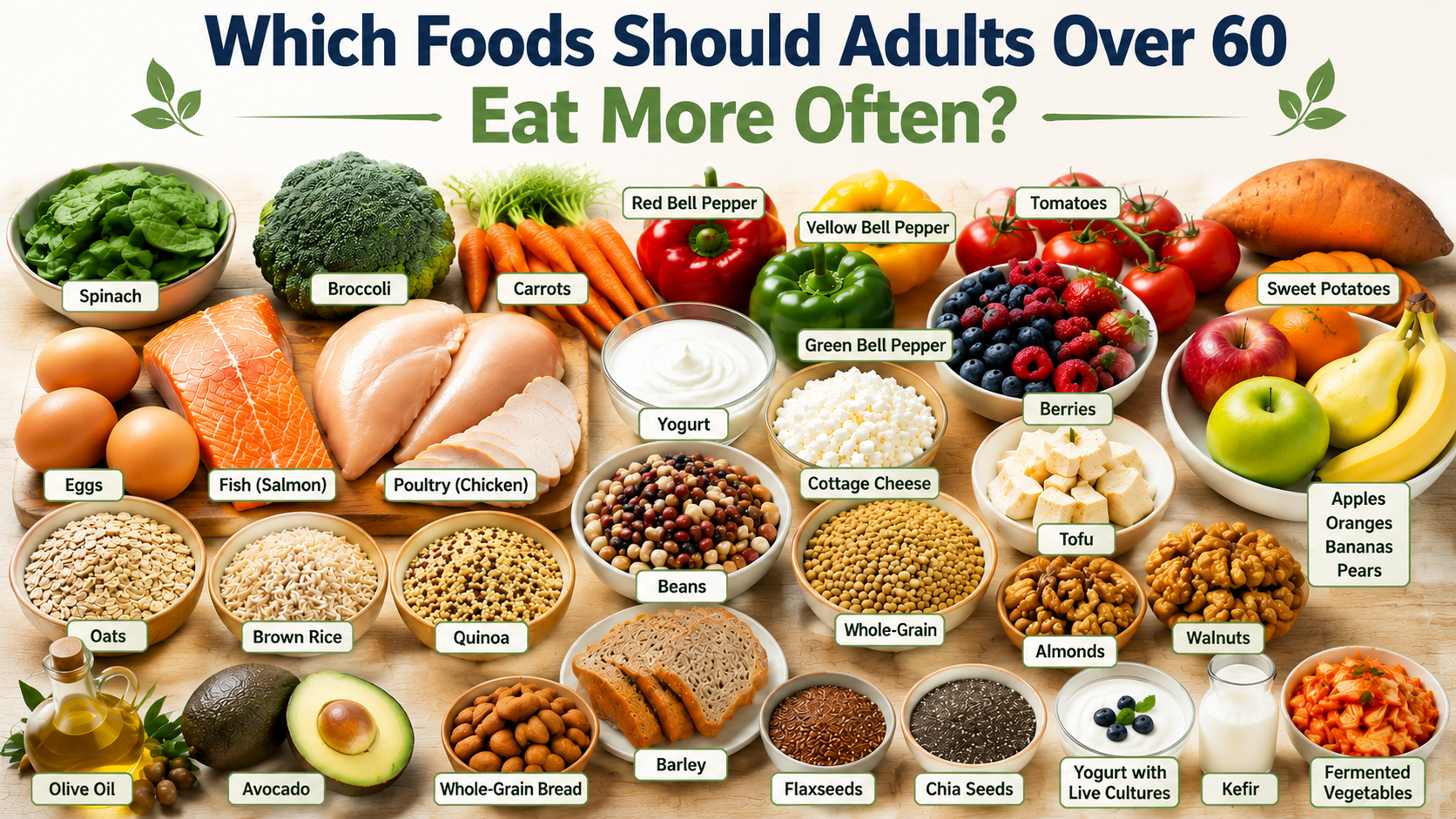
Adults over 60 should focus on nutrient-dense foods that provide more vitamins, minerals, and protein per serving.
The best foods for healthy aging include:
Protein-Rich Foods
Protein should be included throughout the day.
Examples:
- Eggs
- Fish
- Poultry
- Yogurt
- Cottage cheese
- Beans
- Lentils
- Tofu
Why they matter:
Protein helps maintain muscle tissue and supports normal body functions.
Colorful Vegetables
Vegetables provide antioxidants, fiber, and important vitamins.
Examples:
- Spinach
- Broccoli
- Carrots
- Peppers
- Tomatoes
- Sweet potatoes
A useful goal is to include different colors because different plant foods provide different beneficial compounds.
Fruits
Fruits provide:
- Fiber
- Vitamins
- Antioxidants
- Natural sweetness
Good choices:
- Berries
- Apples
- Oranges
- Bananas
- Pears
Whole fruits are usually a better choice than fruit juices because they contain more fiber.
Whole Grains
Whole grains provide long-lasting energy and fiber.
Examples:
- Oats
- Brown rice
- Quinoa
- Whole-grain bread
- Barley
Healthy Fats
Healthy fats support heart and brain health.
Examples:
- Olive oil
- Avocado
- Almonds
- Walnuts
- Flaxseeds
- Chia seeds
Fermented Foods
Some fermented foods contain beneficial bacteria that may support digestive health.
Examples:
- Yogurt with live cultures
- Kefir
- Fermented vegetables
Which Foods Should Seniors Limit or Avoid?
Older adults do not need to eliminate most foods, but limiting certain foods can support better health.
Foods to reduce include:
Highly Processed Foods
Examples:
- Packaged snacks
- Processed meats
- Fast foods
- Sugary desserts
Why limit them:
They often contain higher amounts of:
- Added sugars
- Sodium
- Unhealthy fats
Excess Sodium
Too much sodium may contribute to higher blood pressure in some individuals.
Common high-sodium foods:
- Canned soups
- Processed meats
- Salty snacks
- Fast food
Better options:
- Fresh foods
- Herbs and spices
- Low-sodium alternatives
Sugary Drinks
Examples:
- Soda
- Sweetened beverages
- Some packaged juices
Better choices:
- Water
- Unsweetened tea
- Milk
- Naturally flavored water
Large Amounts of Refined Carbohydrates
Examples:
- White bread
- Sugary cereals
- Pastries
Better choices:
- Whole grains
- Vegetables
- Beans
How Can Seniors Create a Simple Daily Meal Plan?
A simple meal plan after 60 should focus on consistency rather than complicated recipes.
A basic daily structure:
| Time | Meal | Example |
|---|---|---|
| Breakfast | Protein + fiber | Eggs, oatmeal, fruit |
| Lunch | Balanced plate | Chicken salad with whole grains |
| Snack | Nutrient-rich | Nuts, yogurt, fruit |
| Dinner | Protein + vegetables | Fish with vegetables |
How Can Older Adults Make Healthy Eating Easier?
Healthy eating becomes easier with planning.
Helpful strategies:
Prepare Protein Ahead
Cook:
- Chicken
- Eggs
- Beans
- Lentils
in advance for easier meals.
Keep Healthy Foods Available
Stock:
- Frozen vegetables
- Fresh fruit
- Nuts
- Yogurt
- Whole grains
Choose Simple Cooking Methods
Healthy methods include:
- Baking
- Steaming
- Grilling
- Roasting
What Does a Balanced Day of Eating After 60 Look Like?
A balanced day after 60 could look like this:
Breakfast
Greek yogurt bowl:
- Plain Greek yogurt
- Blueberries
- Walnuts
- Chia seeds
Provides:
- Protein
- Calcium
- Fiber
- Healthy fats
Lunch
Mediterranean-style meal:
- Grilled chicken
- Mixed vegetables
- Olive oil dressing
- Whole-grain bread
Provides:
- Protein
- Fiber
- Healthy fats
Snack
Example:
- Apple with peanut butter
- Nuts
- Cottage cheese
Dinner
Example:
- Baked salmon
- Roasted vegetables
- Quinoa
Provides:
- Protein
- Omega-3 fats
- Minerals
Key Takeaways: Building Healthy Meals After 60
The best breakfast, lunch, and dinner after 60 are meals that support strength, energy, digestion, and healthy aging.
Remember these simple principles:
- Include protein at every meal
- Eat plenty of vegetables and fruits
- Choose whole grains over refined carbohydrates
- Include healthy fats
- Drink enough water
- Limit highly processed foods
- Focus on consistency, not perfection
Healthy eating after 60 is about giving your body the nutrients it needs to stay active, strong, and independent.
Frequently Asked Questions
What is the healthiest breakfast for someone over 60?
The healthiest breakfast after 60 includes protein, fiber, and healthy fats. Examples include eggs with vegetables, Greek yogurt with berries and nuts, or oatmeal with seeds.
How much protein should seniors eat daily?
Protein needs vary based on health, body size, activity level, and medical conditions. Many older adults benefit from spreading protein intake throughout the day rather than eating most protein at one meal.
Are eggs healthy for older adults?
Yes, eggs can be part of a healthy diet for many older adults. They provide high-quality protein and nutrients such as vitamin B12 and choline.
What foods help seniors maintain muscle?
Foods that support muscle maintenance include fish, eggs, dairy products, chicken, beans, lentils, tofu, and other protein-rich foods.
What should seniors eat for dinner?
Seniors should choose dinners that include protein, vegetables, and healthy carbohydrates. Examples include fish with vegetables, chicken soup, or lentil-based meals.
Should people over 60 avoid carbohydrates?
No. Healthy carbohydrates such as vegetables, fruits, beans, oats, and whole grains can be important sources of energy and fiber.
What foods should seniors avoid?
Older adults should limit highly processed foods, excess sugar, excessive sodium, and foods low in nutrients.
Is the Mediterranean diet good for adults over 60?
The Mediterranean diet is widely studied for healthy aging because it emphasizes vegetables, fruits, whole grains, fish, legumes, olive oil, and nuts.
Conclusion
The best meals after 60 are not complicated diets or restrictive plans. They are balanced meals built around protein, vegetables, fiber, healthy fats, and nutrient-rich foods.
A healthy breakfast can support energy, a balanced lunch can maintain strength throughout the day, and a nutritious dinner can support recovery and overall wellness.
By making small daily choices, adults over 60 can support healthier aging and continue enjoying an active, independent lifestyle.
Sources & References
- National Institute on Aging (NIA): https://www.nia.nih.gov/health/healthy-eating-nutrition
- USDA Dietary Guidelines: https://www.dietaryguidelines.gov/
- Harvard T.H. Chan School of Public Health: https://nutritionsource.hsph.harvard.edu/
- American Heart Association: https://www.heart.org/en/healthy-living/healthy-eating
- National Institutes of Health (NIH): https://ods.od.nih.gov/
- Mayo Clinic Nutrition: https://www.mayoclinic.org/healthy-lifestyle/nutrition-and-healthy-eating