
What Should You Eat After 60 for Healthy Aging? A Complete Beginner’s Guide
The best diet after 60 is a varied, nutrient-dense eating pattern built around protein-rich foods, vegetables, fruit, whole grains, beans, dairy or fortified alternatives, nuts, seeds, and mostly unsaturated fats.
Healthy aging nutrition is not about finding one “anti-aging” food or following a restrictive diet. It is about consistently giving the body enough protein, vitamins, minerals, fibre, healthy fats, and fluid to maintain muscle, bones, energy, digestion, and everyday function.
This becomes especially important because some older adults need fewer calories while still needing equal or greater amounts of protein, vitamin B12, vitamin D, calcium, and other essential nutrients. That means food quality often matters more after 60, not less.
Medical note: This guide provides general nutrition education. People with kidney disease, diabetes, swallowing problems, digestive disorders, heart failure, significant weight loss, or prescribed dietary restrictions should seek personalised advice from a doctor or registered dietitian.
Table of Contents
ToggleWhat Does Healthy Aging Nutrition After 60 Mean?
Healthy aging nutrition means eating in a way that supports physical strength, mental wellbeing, disease management, recovery, and independence as you grow older.
It is not a short-term weight-loss programme. It is a sustainable food pattern that provides enough nutrients without relying heavily on foods that contain many calories but little nutritional value.
A healthy pattern after 60 should help support:
- Muscle maintenance and physical function
- Strong bones and teeth
- Heart and blood-vessel health
- Regular bowel movements
- Stable energy and appetite
- Immune function and recovery
- A healthy body weight
- Management of existing medical conditions
The National Institute on Aging recommends choosing nutrient-dense foods across the major food groups, including vegetables, fruit, grains, protein foods, dairy products, and oils.
Why Do Nutritional Needs Change After Age 60?
Nutritional needs change after 60 because appetite, activity level, body composition, digestion, and nutrient absorption can change with age.
Many people require fewer total calories as they become less active or lose muscle mass. However, their need for protein and key micronutrients does not necessarily decrease. This creates a challenge: each meal needs to deliver more nutritional value without automatically becoming much larger.
Several factors can influence eating after 60:
- A reduced sense of taste or smell
- Dental problems or difficulty chewing
- Swallowing difficulties
- Reduced thirst awareness
- Medication side effects
- Constipation
- Limited mobility or difficulty shopping
- Loneliness or eating alone
- Reduced appetite
- Difficulty preparing meals
- Chronic medical conditions
Taste changes should not automatically be managed by adding large amounts of salt or sugar, particularly when someone has high blood pressure or diabetes. Herbs, spices, citrus, vinegar, garlic, onions, and small amounts of healthy oils can make food more appealing without depending on extra salt or sugar.
Which Foods Should Make Up Most of Your Diet After 60?
Most meals after 60 should contain a combination of protein, colourful vegetables or fruit, fibre-rich carbohydrates, and a moderate amount of healthy fat.
A Mediterranean-style eating pattern is one practical model. It emphasises vegetables, fruit, beans, nuts, seeds, whole grains, olive oil, fish, and minimally processed foods, with moderate amounts of dairy, eggs, and poultry.
| Food category | Why it matters after 60 | Practical examples |
|---|---|---|
| Protein-rich foods | Help maintain and repair muscle and other body tissues | Eggs, fish, chicken, yoghurt, cottage cheese, beans, lentils, tofu |
| Vegetables | Provide fibre, vitamins, minerals, and plant compounds | Spinach, carrots, broccoli, tomatoes, peppers, frozen mixed vegetables |
| Fruit | Provides fibre, vitamin C, potassium, and natural sweetness | Berries, apples, oranges, pears, bananas |
| Whole grains and starchy foods | Supply energy, fibre, and B vitamins | Oats, wholegrain bread, barley, brown rice, potatoes |
| Dairy or fortified alternatives | Provide protein and may supply calcium, vitamin D, and B12 | Milk, yoghurt, kefir, calcium-fortified soya drink |
| Healthy fats | Support energy intake and help absorb fat-soluble vitamins | Olive oil, avocado, nuts, seeds, oily fish |
| Fluids | Support circulation, digestion, temperature regulation, and medication use | Water, milk, soup, unsweetened tea |
Frozen and canned foods can be nutritious and convenient. Choose canned vegetables, beans, fish, and fruit with little added salt or sugar when possible. Draining and rinsing canned beans and vegetables can substantially reduce their sodium content.
Which Protein Foods Are the Healthiest Choices?
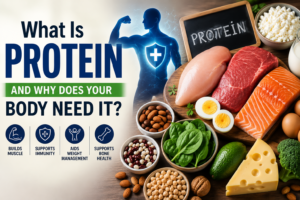
The healthiest protein choices are minimally processed foods that also provide vitamins, minerals, fibre, or healthy fats.
Useful options include:
- Fish and seafood
- Eggs
- Skinless poultry
- Lean, unprocessed meat
- Milk, yoghurt, cottage cheese, and kefir
- Beans, peas, and lentils
- Tofu, tempeh, and soya foods
- Nuts, seeds, and nut butters
Using both plant and animal sources can provide variety. People following a completely plant-based diet need to plan carefully for vitamin B12, vitamin D, calcium, iodine, iron, zinc, omega-3 fats, and adequate protein. Fortified foods or targeted supplements may be needed under professional guidance.
Processed meats such as bacon, sausages, salami, and many deli meats should not be your main protein sources. They can contain high amounts of sodium and may provide less nutritional value than fish, eggs, beans, lentils, or freshly prepared meat.
Which Carbohydrates and High-Fibre Foods Should You Choose?
Choose carbohydrates that provide fibre and nutrients rather than eliminating carbohydrates entirely.
Good choices include:
- Oats and porridge
- Wholegrain bread
- Barley
- Brown or wild rice
- Potatoes with the skin
- Beans and lentils
- Fruit
- Vegetables
- Wholegrain cereal with little added sugar
Fibre supports bowel regularity and can help food move through the digestive system. Depending on age and sex, general adult guidance commonly falls within approximately 22–34 grams of fibre per day. Fibre should be increased gradually, with enough fluid, to reduce bloating and discomfort.
White bread, sweets, biscuits, pastries, sugary cereal, and sweetened drinks are also carbohydrates, but they usually provide less fibre and fewer essential nutrients. The goal is therefore to improve carbohydrate quality rather than fear the entire food group.
Which Dietary Fats Support Healthy Aging?
Unsaturated fats from olive oil, nuts, seeds, avocado, and fish are generally the most useful fats to include regularly.
These foods provide energy and help meals taste satisfying. Oily fish such as salmon, sardines, trout, and mackerel also supplies long-chain omega-3 fats.
Use saturated-fat-rich foods more selectively, especially when heart health or cholesterol is a concern. The American Heart Association recommends replacing sources such as butter and fatty meat with non-tropical liquid plant oils and choosing leaner, minimally processed protein foods.
How Much Protein Do Adults Over 60 Need?
Adults over 60 should include a meaningful source of protein at every main meal because aging muscles can respond less strongly to small amounts of protein.
The precise target is not identical for everyone. Body size, activity, health status, kidney function, appetite, and whether someone is recovering from illness all influence protein needs.
The current 2025–2030 US Dietary Guidelines provide a broad protein goal of 1.2–1.6 grams per kilogram of body weight per day, adjusted for individual energy requirements. Research reviews focused specifically on healthy aging commonly discuss approximately 1.0–1.2 grams per kilogram, with potentially higher requirements during illness, recovery, or intensive training. These ranges should not be treated as automatic prescriptions for people with kidney disease or other medical restrictions.
How Can You Calculate a Practical Protein Target?
Multiply your weight in kilograms by the suggested grams of protein per kilogram.
For example, a person weighing 70 kilograms would obtain:
- 70 grams daily at 1.0 gram per kilogram
- 84 grams daily at 1.2 grams per kilogram
- 112 grams daily at 1.6 grams per kilogram
A beginner does not necessarily need to count every gram. A simpler approach is to place one obvious protein food in every meal and use a protein-rich snack when needed.
Examples include:
- Breakfast: eggs, Greek yoghurt, milk, cottage cheese, or soya yoghurt
- Lunch: tuna, chicken, beans, lentil soup, tofu, or cheese
- Dinner: fish, poultry, lean meat, beans, dhal, tofu, or tempeh
- Snack: yoghurt, milk, nuts, hummus, or a boiled egg
Higher protein intake appears most helpful for maintaining or building lean tissue when it is combined with resistance or strength exercise. A large meta-analysis found that additional protein produced modest improvements in lean-body-mass gains during resistance training.
Should You Spread Protein Across the Day?
Yes. Spreading protein between breakfast, lunch, and dinner is generally more practical than eating very little all day and relying on one large evening meal.
A balanced pattern might look like:
- Protein at breakfast
- Protein at lunch
- Protein at dinner
- An optional protein-rich snack
This approach can be especially helpful when appetite is limited because it reduces the need to consume a very large portion at one sitting.
Which Vitamins and Minerals Matter Most After 60?
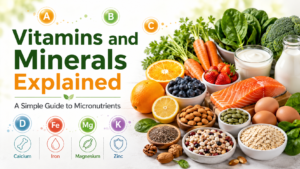
Protein, calcium, vitamin D, vitamin B12, fibre, and several other nutrients deserve particular attention after age 60.
These nutrients are not the only ones that matter, but they are common priorities because of changes in muscle, bone, digestion, absorption, and food intake.
| Nutrient | Main role | Useful food sources | Important point |
|---|---|---|---|
| Calcium | Bone and tooth structure | Milk, yoghurt, cheese, fortified soya drink, calcium-set tofu, canned fish with bones | Requirements vary by age and sex |
| Vitamin D | Calcium absorption, bone and muscle function | Oily fish, egg yolk, fortified milk or alternatives | Few foods naturally provide much vitamin D |
| Vitamin B12 | Blood cells and nervous-system function | Fish, eggs, meat, dairy, fortified cereal, fortified nutritional yeast | Absorption from natural food can decline with age |
| Fibre | Digestion and bowel regularity | Beans, oats, fruit, vegetables, whole grains | Increase gradually and drink enough fluid |
| Potassium | Nerve, muscle, and fluid functions | Beans, potatoes, yoghurt, fruit, vegetables | Kidney disease and some medicines may change appropriate intake |
| Omega-3 fats | Part of heart-healthy dietary patterns | Salmon, sardines, trout, walnuts, flaxseed | Fish supplies EPA and DHA directly |
How Do Calcium and Vitamin D Support Aging Bones?
Calcium supplies structural material for bones, while vitamin D helps the body absorb calcium and supports normal bone and muscle function.
Recommended calcium intake is 1,200 milligrams daily for women aged 51–70 and all adults aged 71 or older. Men aged 51–70 have a recommended intake of 1,000 milligrams daily.
Vitamin D recommendations are 15 micrograms or 600 IU daily for adults aged 51–70 and 20 micrograms or 800 IU daily from age 71. Fatty fish and fortified foods are important sources because relatively few foods naturally contain substantial vitamin D.
Food-first calcium choices include:
- Milk
- Plain yoghurt
- Cheese
- Calcium-fortified soya drinks
- Calcium-set tofu
- Sardines or canned salmon with edible bones
- Some leafy vegetables
A calcium supplement is not automatically necessary. Excess supplementation can create problems, and evidence regarding fracture prevention is mixed. A clinician can assess diet, bone health, vitamin D status, kidney-stone history, and medication use before recommending a dose.
Why Does Vitamin B12 Need Special Attention?
Vitamin B12 needs special attention because some adults absorb less naturally occurring B12 from food as stomach-acid production declines with age.
The recommended amount for adults is 2.4 micrograms per day. The NIH advises people over 50 to obtain much of their B12 from fortified foods or supplements because these forms may be easier to absorb. Vitamin B12 deficiency affects an estimated 3%–43% of older adults, depending on the population and definition used.
Sources include:
- Fish and seafood
- Eggs
- Meat and poultry
- Milk and yoghurt
- Fortified breakfast cereals
- Fortified nutritional yeast
- Fortified plant drinks
- B12 supplements when recommended
Seek medical advice about testing when symptoms or risk factors are present. Possible deficiency symptoms can include unusual fatigue, weakness, pale skin, appetite loss, numbness, or tingling, although these symptoms can have many other causes.
Why Are Fibre and Potassium Important?
Fibre helps support bowel regularity, while potassium contributes to normal nerve, muscle, and fluid functions.
Beans, lentils, vegetables, fruit, oats, and whole grains often provide both fibre and useful minerals. However, fibre should be introduced slowly when a person currently eats very little of it.
Potassium-rich foods are generally nutritious, but people with kidney disease or those taking certain medicines may need an individualised potassium target. Do not begin potassium supplements or salt substitutes containing potassium without medical advice.
How Should You Build a Healthy Plate After 60?
Build most main meals with vegetables, a protein food, a high-fibre carbohydrate, and a small amount of healthy fat.
A simple visual method is:
- About half the plate: vegetables, salad, or some vegetables plus fruit
- About one-quarter: fish, eggs, poultry, lean meat, beans, lentils, tofu, or another protein
- About one-quarter: potato, oats, brown rice, barley, or wholegrain bread
- Add: olive oil, seeds, avocado, yoghurt, or another appropriate source of healthy fat
- Drink: water or another unsweetened beverage
This is a flexible guide rather than a medical formula. Someone with a small appetite may need a smaller plate with more energy-dense foods. Someone managing diabetes may need more deliberate carbohydrate portions. Someone with swallowing problems may need softer or texture-modified foods.
What Does a Simple One-Day Meal Plan Look Like?
A balanced one-day plan should include protein more than once, several plant foods, a fibre-rich carbohydrate, calcium-rich food, and regular fluid.
Breakfast
Porridge made with milk or a fortified soya drink, topped with berries and chopped nuts.
Why it works: Oats provide fibre, milk or fortified soya provides protein and calcium, and berries add fruit and plant nutrients.
Mid-morning option
Plain yoghurt with fruit, or a boiled egg with wholegrain toast.
Lunch
Lentil and vegetable soup with wholegrain bread, plus yoghurt or a small piece of cheese.
Why it works: Lentils provide plant protein and fibre, while yoghurt or cheese adds calcium and more protein.
Afternoon option
Hummus with soft vegetable sticks, fruit with nut butter, or a glass of milk.
Dinner
Baked salmon, potatoes, and steamed broccoli with olive oil and lemon.
Why it works: Salmon provides protein and omega-3 fats, potatoes provide energy and potassium, and broccoli supplies fibre and micronutrients.
Evening option when more nutrition is needed
A small bowl of yoghurt, warm milk, or fortified cereal.
This plan is only an example. Foods can be replaced with culturally familiar equivalents such as dhal, chickpeas, tofu, chicken stew, bean chilli, vegetable curry, wholegrain chapati, brown rice, or fortified dairy alternatives.
How Much Fluid Should Adults Over 60 Drink?
Adults over 60 should drink regularly throughout the day instead of waiting until they feel very thirsty.
There is no single fluid target that suits every person. Body size, climate, activity, medications, fever, diarrhoea, kidney function, and heart health can all affect requirements.
Useful fluid sources include:
- Water
- Sparkling water
- Milk
- Unsweetened tea
- Coffee in moderate amounts
- Soup
- Smoothies when extra nutrition is needed
- Water-rich fruit and vegetables
A simple routine is to drink:
- After waking
- With each meal
- Between meals
- Before and after physical activity
- When taking medicines, as directed
Dark urine, dry mouth, dizziness, confusion, weakness, headache, and reduced urination can occur with dehydration, but these symptoms can also have other causes.
People with heart failure, advanced kidney disease, low blood sodium, or medically prescribed fluid restrictions should follow their clinical plan rather than generic hydration advice.
Which Foods and Drinks Should You Limit After 60?
Limit foods that are high in sodium, added sugar, refined carbohydrates, or heavily processed fats but low in protein, fibre, vitamins, and minerals.
These include:
- Sugary drinks
- Sweets and frequent desserts
- Processed meats
- Deep-fried fast food
- Salty ready meals
- Instant noodles
- Crisps
- Large portions of biscuits, cakes, and pastries
- Highly sweetened breakfast cereals
- Excessive alcohol
The American Heart Association recommends an overall pattern based on vegetables, fruit, whole grains, healthy protein, unsaturated oils, minimally processed foods, and reduced sodium and added sugar. It advises people who do not drink alcohol not to start for health reasons.
For sodium, the American Heart Association recommends no more than 2,300 milligrams per day, with an ideal goal of 1,500 milligrams for most adults, although an individual target should reflect medical needs and professional advice.
Common hidden sodium sources include:
- Bread and rolls
- Processed meat
- Cheese
- Sauces and dressings
- Tinned soup
- Ready meals
- Takeaway food
- Savoury snacks
Do not make the diet so strict that eating becomes stressful or inadequate. The overall pattern matters more than an occasional dessert or convenience meal.
Should Adults Over 60 Take Dietary Supplements?
Some adults over 60 need supplements, but supplements should address a genuine dietary gap, absorption problem, deficiency, or medical requirement.
Possible priorities include:
- Vitamin B12
- Vitamin D
- Calcium when food intake is inadequate
- Iron only when deficiency or a specific need is confirmed
- Other nutrients required because of restricted diets or malabsorption
A multivitamin can increase nutrient intake when diet alone is inadequate, but it cannot replace the protein, fibre, healthy fats, and other beneficial components supplied by food. Multivitamins can also push some nutrients above safe intake levels when combined with separate supplements and heavily fortified foods.
Before buying a supplement:
- Review your usual diet.
- Check whether a clinician has identified a deficiency.
- Review all medicines and existing supplements.
- Avoid unnecessary high-dose products.
- Check the label for duplicate ingredients.
- Ask whether blood tests are appropriate.
People taking warfarin or a similar anticoagulant should discuss vitamin K-containing supplements with their healthcare provider. Vitamin K can affect the medicine’s action, and consistent intake is important.
How Should You Eat When Your Appetite Is Poor?
When appetite is poor, eat smaller, nutrient-dense meals more frequently instead of forcing three large meals.
Useful strategies include:
- Eat every three to four hours while awake.
- Start meals with protein rather than filling up on tea or low-calorie drinks.
- Add milk powder, yoghurt, cheese, nut butter, eggs, olive oil, or avocado to meals when more energy is needed.
- Keep easy foods available, such as yoghurt, eggs, soup, tinned fish, frozen vegetables, and microwaveable whole grains.
- Choose softer foods when chewing is difficult.
- Eat with another person when possible.
- Take a short walk before meals when medically appropriate.
- Review medicines with a clinician if appetite changed after starting a new prescription.
Poor appetite can be related to medication, pain, depression, dental problems, swallowing difficulty, reduced taste and smell, digestive illness, or social isolation. It should not automatically be dismissed as normal aging.
When Is Weight Loss After 60 a Warning Sign?
Rapid or unexplained weight loss after 60 is a warning sign and should be discussed with a healthcare professional.
Unintentional weight loss can result from reduced appetite, difficulty buying or preparing food, dental pain, swallowing problems, medication effects, digestive disease, cancer, neurological conditions, or other medical issues. The National Institute on Aging advises seeking medical assessment when weight is being lost rapidly without intention.
The NHS identifies an unintentional loss of approximately 5%–10% of body weight within three to six months as a potential sign of malnutrition. A person can still be malnourished while living in a larger body.
Seek advice when you notice:
- Clothes becoming noticeably looser
- Ongoing appetite loss
- Increasing weakness
- Frequent illness
- Slow wound healing
- Difficulty chewing or swallowing
- Persistent diarrhoea, vomiting, or abdominal symptoms
- Numbness or tingling
- Significant fatigue
- Difficulty managing shopping or cooking
How Should Nutrition Change When You Have a Chronic Condition?
Nutrition should be personalised when you have a chronic condition because general healthy-eating advice may not address your medications, laboratory results, symptoms, or treatment goals.
Examples include:
- Diabetes: Carbohydrate type and portion size may need more deliberate planning.
- Kidney disease: Protein, potassium, phosphorus, sodium, and fluid requirements may need adjustment.
- Heart failure: Sodium and fluid may require clinical limits.
- High blood pressure: Reducing sodium and increasing minimally processed foods may be priorities.
- High cholesterol: Protein and fat sources may need closer attention.
- Osteoporosis: Calcium, vitamin D, protein, and weight-bearing activity become important.
- Swallowing disorders: Food and drink texture may need professional modification.
- Digestive disorders: Fibre amount and type may need to be adjusted.
- Cancer or recovery from surgery: Energy and protein requirements may rise despite poor appetite.
The current Dietary Guidelines advise people with chronic diseases to work with a healthcare professional to adapt the general recommendations to their condition.
Avoid copying a restrictive diet designed for someone else. Two people of the same age may have very different nutritional needs.
What Are the Most Common Nutrition Mistakes After 60?
The most common mistakes are eating too little protein, relying on low-nutrient convenience food, drinking too little, and using supplements as a substitute for balanced meals.
Mistake 1: Eating only toast, tea, or cereal for breakfast
Add eggs, milk, yoghurt, cottage cheese, nut butter, or fortified soya to increase protein.
Mistake 2: Saving nearly all protein for dinner
Include protein at breakfast and lunch as well.
Mistake 3: Cutting calories too aggressively
Rapid weight loss can also reduce muscle. Weight-management plans should protect protein intake and include appropriate strength activity.
Mistake 4: Avoiding all fats
Small amounts of olive oil, nuts, seeds, avocado, and oily fish can improve both nutrition and meal satisfaction.
Mistake 5: Assuming constipation is an unavoidable part of aging
Gradually increasing fibre, fluid, and physical activity may help, although persistent constipation should be medically assessed.
Mistake 6: Taking several supplements without checking the labels
Multiple products may contain the same nutrients, raising the risk of excessive intake.
Mistake 7: Following a restrictive internet diet despite medical conditions
Kidney disease, diabetes, heart failure, malnutrition, and swallowing problems require individualised planning.
Mistake 8: Treating unintentional weight loss as a success
Weight loss that was not planned can indicate inadequate intake or illness and deserves attention.
How Can You Improve Your Diet in Seven Simple Steps?
Improve your diet gradually by focusing on one practical habit at a time.
- Add protein to breakfast.
Choose eggs, yoghurt, milk, cottage cheese, beans, tofu, or nut butter. - Eat at least one vegetable at lunch and dinner.
Frozen and canned vegetables are acceptable practical options. - Replace one refined grain with a wholegrain choice.
Try oats, wholegrain bread, brown rice, or barley. - Keep a drink within reach.
Sip regularly unless you have a prescribed fluid restriction. - Choose a better snack.
Combine fruit with yoghurt, nuts, cheese, hummus, or milk. - Prepare one protein food in advance.
Boil eggs, cook lentils, portion yoghurt, or prepare chicken, fish, or tofu. - Review your weight, appetite, and supplements.
Speak with a healthcare professional when weight is falling, appetite remains poor, or several supplements are being used.
You do not need a perfect menu. Repeating a few balanced, affordable meals is more useful than following a complicated plan for only a few days.
What Is the Key Takeaway?
Healthy aging nutrition after 60 should prioritise nutrient-dense whole foods, protein at each main meal, plenty of plant foods, fibre-rich carbohydrates, calcium-rich choices, healthy fats, and regular hydration.
Pay particular attention to protein, vitamin B12, vitamin D, calcium, appetite, and unexplained weight change. Supplements may help when a real gap exists, but they should complement food rather than replace it.
What Do People Commonly Ask About Nutrition After 60?
What is the healthiest diet for someone over 60?
The healthiest diet is a varied, minimally processed eating pattern containing protein, vegetables, fruit, whole grains, beans, dairy or fortified alternatives, nuts, seeds, and healthy oils.
What is a good breakfast after age 60?
A good breakfast combines protein and fibre. Examples include eggs with wholegrain toast, porridge made with milk, or Greek yoghurt with fruit and nuts.
How much protein should a 70-year-old eat?
Many healthy older adults may benefit from approximately 1.0–1.2 grams per kilogram of body weight daily, while current US guidance gives a broader goal of 1.2–1.6 grams per kilogram. Individual needs should be adjusted for health, activity, calorie intake, and kidney function.
Should older adults stop eating carbohydrates?
No. Older adults should favour fibre-rich carbohydrates such as oats, beans, fruit, vegetables, potatoes, and whole grains while limiting refined and heavily sweetened options.
Is milk good for adults over 60?
Milk can be a useful source of protein and calcium. Lactose-free milk or calcium-fortified soya drinks can be used when standard milk is unsuitable.
Which vitamins are commonly important after age 60?
Vitamin B12 and vitamin D commonly deserve attention. Calcium is also important, although it is a mineral rather than a vitamin. The need for supplements should be assessed individually.
How much water should an older adult drink?
There is no universal amount for every older adult. Drink regularly throughout the day and seek individual advice when heart disease, kidney disease, medications, climate, or a fluid restriction affects requirements.
Is it safe to lose weight after 60?
Intentional weight loss may be appropriate for some older adults, but it should protect muscle through adequate protein and appropriate strength activity. Rapid or unintentional weight loss requires medical assessment.