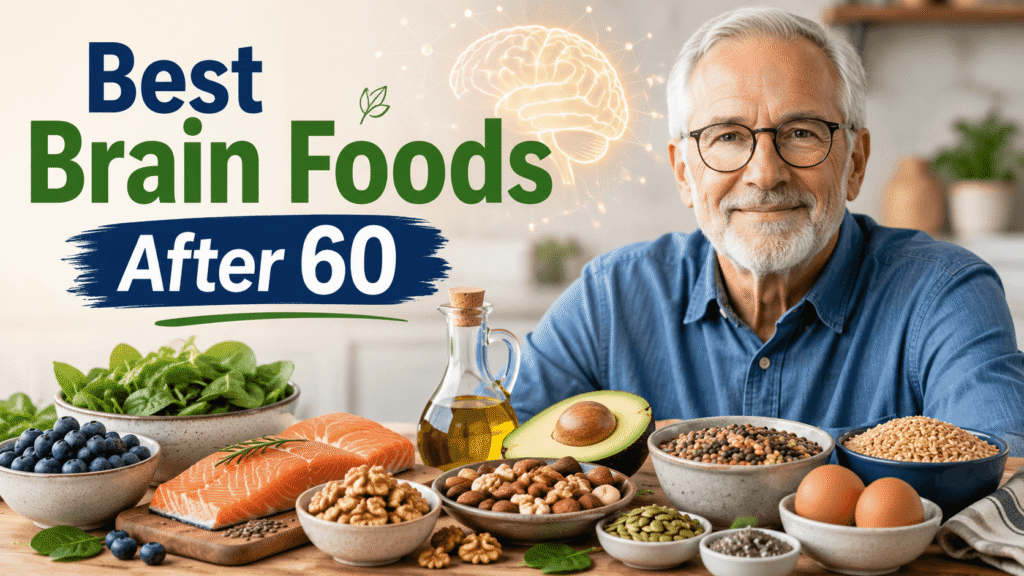
What Are the Best Brain Foods After 60?
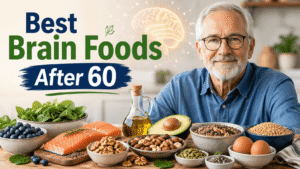
The best brain foods after 60 include leafy green vegetables, berries, oily fish, nuts, seeds, extra-virgin olive oil, beans, lentils, whole grains, colorful vegetables, and foods that provide absorbable vitamin B12.
These foods supply nutrients associated with healthy nerve function, blood vessels, energy metabolism, and protection against oxidative damage. However, no individual food has been proven to prevent Alzheimer’s disease or guarantee that memory will remain unchanged.
The strongest practical approach is to build an overall Mediterranean- or MIND-style eating pattern. That means eating mostly minimally processed plant foods, using unsaturated fats, choosing fish and other lean proteins, and limiting foods rich in added sugar, sodium, refined carbohydrates, and saturated fat. The National Institute on Aging notes that research on specific diets and dementia remains mixed, so food should be viewed as one part of a complete brain-healthy lifestyle.
10 Best Brain Foods After 60 for Healthy Aging
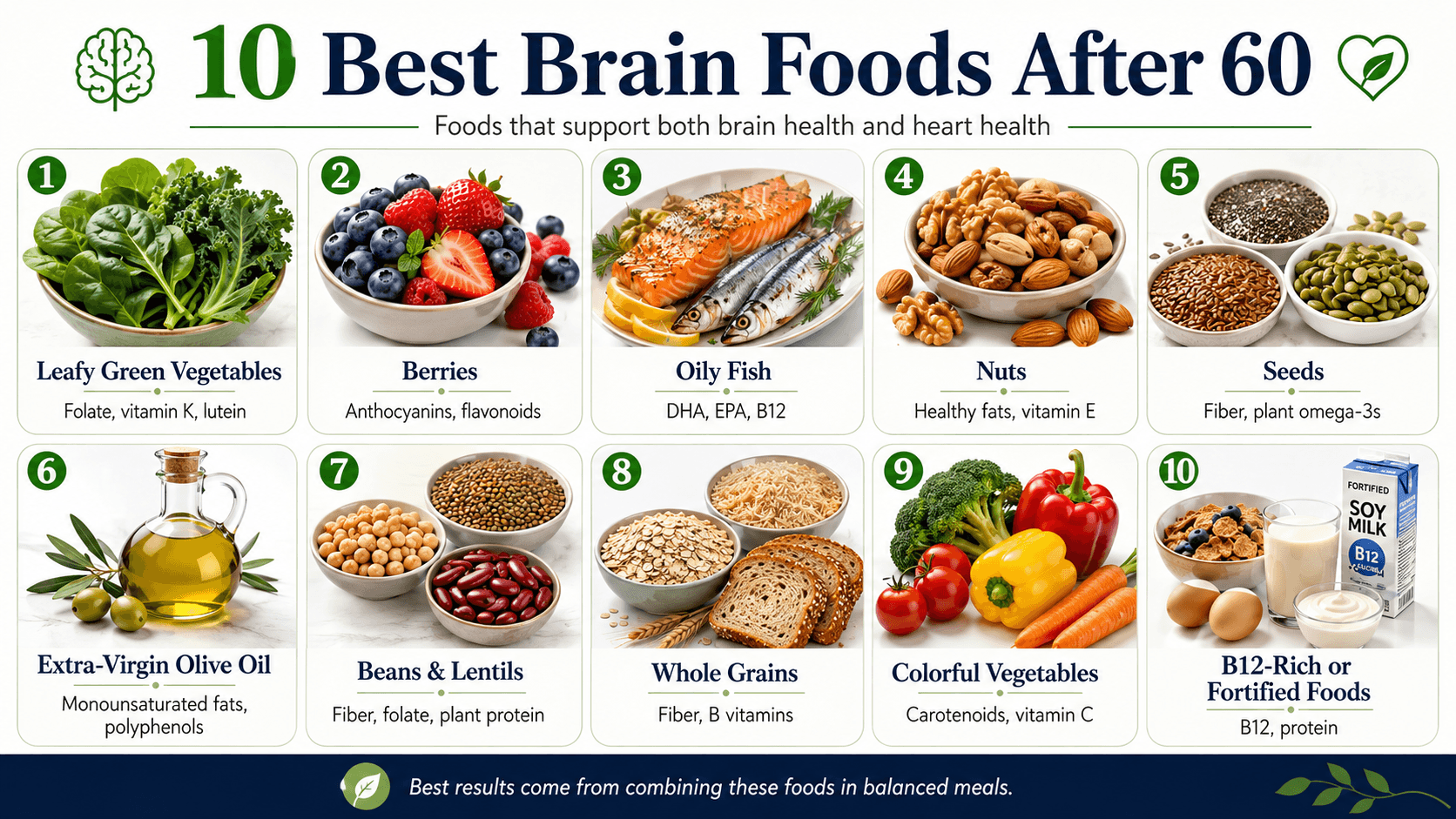
The best choices are foods that support both the brain and the cardiovascular system. The brain depends on healthy blood vessels to receive oxygen and nutrients, so foods that support blood pressure, cholesterol, and blood sugar also matter for cognitive health.
| Brain-supportive food | Important nutrients or compounds | Simple way to eat it | Evidence summary |
|---|---|---|---|
| Leafy green vegetables | Folate, vitamin K, lutein and carotenoids | Add spinach to eggs, soup or salad | Higher intake has been associated with slower cognitive decline |
| Berries | Anthocyanins and other flavonoids | Add fresh or frozen berries to oats or yogurt | Observational research links higher berry intake with slower cognitive aging |
| Oily fish | DHA, EPA, protein and vitamin B12 | Eat salmon, sardines, trout or mackerel | Food-based evidence is promising, but supplement trials are inconsistent |
| Nuts | Unsaturated fats, vitamin E, fiber and minerals | Eat a small unsalted handful | Nuts form part of Mediterranean and MIND-style dietary patterns |
| Seeds | Unsaturated fats, fiber and plant omega-3s | Add ground flaxseed, chia or pumpkin seeds to meals | Useful as part of a varied plant-rich diet |
| Extra-virgin olive oil | Monounsaturated fat and polyphenols | Use instead of butter for cooking and dressings | Mediterranean diet trials support olive oil as part of the complete pattern |
| Beans and lentils | Fiber, folate, plant protein and minerals | Use in soups, curries, salads or stews | Regularly included in MIND and Mediterranean diets |
| Whole grains | Fiber, B vitamins and complex carbohydrates | Choose oats, barley, brown rice or whole-grain bread | Support overall diet quality and cardiometabolic health |
| Colorful vegetables | Carotenoids, vitamin C and polyphenols | Eat broccoli, peppers, tomatoes, carrots and squash | Greater variety provides a wider range of protective compounds |
| B12-rich or fortified foods | Vitamin B12 and protein | Choose fish, eggs, dairy, fortified cereal or fortified soy milk | Especially relevant because B12 absorption can decline with age |
These foods should not be judged as isolated medicines. Their main value comes from repeatedly combining them in balanced meals.
Brain-supportive foods also contribute to overall healthy aging. See our complete guide to the best foods to eat after 60 for more nutritious options.
Why Does Your Overall Diet Matter More Than One Superfood?
Your overall eating pattern matters more because foods interact and replace one another. Adding berries to a diet dominated by fried food, processed meat, sugary drinks, and refined carbohydrates is unlikely to produce the same benefit as improving the complete diet.
Mediterranean, DASH, and MIND-style diets share several features:
- Plenty of vegetables
- Regular beans and lentils
- Whole grains rather than refined grains
- Nuts and seeds
- Fish and other lean proteins
- Olive oil or other unsaturated fats
- Limited fried food, sweets and heavily processed meat
- Attention to blood pressure and cardiovascular health
A 2025 meta-analysis reported that stronger adherence to Mediterranean-style eating was associated with an approximately 11% to 30% lower risk of age-related cognitive disorders, depending on the condition studied. These results show an association rather than proof that the diet alone caused the reduction.
Anyone who is beginning to improve their eating habits can follow this simple guide on how to start eating healthy
What Is the MIND Diet?
The MIND diet is a dietary pattern that combines elements of the Mediterranean and DASH diets with additional emphasis on foods studied in relation to cognitive aging.
The main MIND food groups include:
- Green leafy vegetables
- Other vegetables
- Berries
- Nuts
- Beans
- Whole grains
- Fish
- Poultry
- Olive oil
The pattern also limits frequent consumption of butter, high-fat cheese, red and processed meat, pastries, sweets, and fried or fast food. The National Institute on Aging describes leafy vegetables, berries, beans, nuts, whole grains, olive oil, and weekly fish as central features.
What Does Current Research Say About the MIND Diet?
Current research is encouraging but not conclusive. Observational studies frequently find that people who follow the MIND diet more closely experience slower cognitive decline or lower dementia risk, but randomized trials have produced more cautious findings.
In a three-year randomized trial involving 604 cognitively healthy older adults with a family history of dementia, cognition improved slightly in both the MIND group and the comparison group. The difference between the groups was not statistically significant, and brain-imaging outcomes were also similar.
This result does not mean that vegetables, fish, beans, nuts, and whole grains are unhelpful. It means researchers cannot yet claim that the MIND diet itself prevents cognitive decline. The comparison group also received counseling, mild calorie restriction, and support for improving their diet, which may have narrowed the difference.
Why Are Leafy Green Vegetables Good for the Aging Brain?
Leafy greens are among the most consistently featured foods in brain-healthy dietary patterns. Spinach, kale, collard greens, rocket, romaine lettuce, mustard greens, and Swiss chard provide folate, vitamin K, lutein, beta-carotene, and other plant compounds.
A prospective study of older adults found that greater leafy-green consumption was associated with slower cognitive decline. The researchers also examined nutrients and bioactive compounds in the vegetables, including folate, lutein, nitrate, vitamin K, and forms of vitamin E. Because this was observational research, it cannot prove that leafy greens directly caused the difference.
Easy ways to eat more leafy greens include:
- Stirring spinach into lentil soup
- Adding kale to bean stew
- Serving grilled fish over mixed greens
- Adding chopped greens to omelettes
- Blending a small amount of spinach into a fruit smoothie
- Using frozen spinach when fresh produce is expensive
People taking warfarin or similar vitamin K-antagonist medication do not necessarily need to avoid leafy greens. However, they should keep their vitamin K intake reasonably consistent and speak with their anticoagulation team before making a major dietary change.
Leafy greens also provide important micronutrients. Learn more about the roles of vitamins and minerals in the body
How May Berries Support Memory After 60?
Berries contain anthocyanins and other flavonoids that have antioxidant and cell-signaling properties. Blueberries, strawberries, blackberries, and raspberries are the most practical options.
A long-term observational study in older women associated greater berry and flavonoid intake with slower cognitive decline. The finding is promising, but it does not prove that berries alone preserve memory. People who eat more berries may also have other healthy habits that influence cognitive outcomes.
Fresh, frozen, and unsweetened berries are all useful. Frozen berries may be cheaper, last longer, and retain substantial nutritional value.
Try:
- Berries with porridge or oatmeal
- Plain yogurt topped with berries and walnuts
- Frozen berries blended with fortified soy milk
- Berries served as dessert instead of pastries
- Mashed berries spread over whole-grain toast
Fruit juice is not an equal replacement because it contains less fiber and is easier to consume in large amounts.
Which Fish Are Best for Brain Health After 60?
Oily fish are the most useful fish choices because they provide the omega-3 fatty acids DHA and EPA. DHA is an important structural component of brain-cell membranes.
Good options include:
- Salmon
- Sardines
- Trout
- Herring
- Mackerel
- Pilchards
- Anchovies
Some observational studies associate higher fish or dietary omega-3 intake with lower cognitive decline or dementia risk. However, the results have not been consistent across all studies.
Eating fish may also replace less favorable protein choices such as processed meat or frequently fried meat. This replacement effect is one reason researchers evaluate dietary patterns rather than individual nutrients alone.
For most adults, one or two fish meals a week is a practical starting point. Preparation matters: grilled, baked, steamed, or lightly sautéed fish better fits a brain-healthy pattern than heavily battered or deep-fried fish.
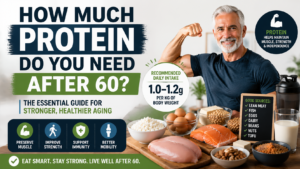
Fish is also a valuable protein source for older adults. Read how to calculate how much protein you need after 60.
Are Fish Oil Supplements as Helpful as Fish?
Fish oil supplements have not consistently improved cognitive function in healthy older adults. Large clinical trials have generally found no meaningful cognitive benefit from omega-3 supplementation in cognitively healthy people or those with established Alzheimer’s disease.
The NIH Office of Dietary Supplements concludes that omega-3 supplements do not appear to improve cognitive function in healthy older adults, although limited evidence suggests possible benefits in certain people with mild cognitive impairment. More research is needed.
Fish provides protein, vitamin B12, selenium, and other nutrients that are not fully reproduced by an isolated oil capsule. Supplements should therefore not be treated as an automatic substitute for food.
Why Should Older Adults Eat Nuts and Seeds?
Nuts and seeds provide unsaturated fat, fiber, vitamin E, magnesium, plant protein, and numerous bioactive compounds. Walnuts also provide alpha-linolenic acid, a plant-based omega-3 fat.
Useful choices include:
- Walnuts
- Almonds
- Pistachios
- Hazelnuts
- Peanuts
- Chia seeds
- Ground flaxseed
- Pumpkin seeds
- Sunflower seeds
In a cognitive substudy of the PREDIMED trial, a Mediterranean diet supplemented with extra-virgin olive oil or nuts was associated with better cognitive outcomes than the comparison diet among older adults at high cardiovascular risk. The study examined complete dietary interventions, so the results should not be interpreted as proof that one nut produces the effect.
Choose unsalted or lightly salted products when possible. A small handful is usually enough because nuts are nutrient-dense and high in energy.
For chewing difficulties, use:
- Smooth nut butter
- Ground nuts
- Seed butter
- Chia soaked in yogurt or milk
- Finely ground flaxseed mixed into porridge
How Does Extra-Virgin Olive Oil Fit Into a Brain-Healthy Diet?
Extra-virgin olive oil is best used as a replacement for butter, ghee, shortening, or frequently used animal fats. It provides monounsaturated fat and plant polyphenols.
Olive oil is a central component of Mediterranean and MIND-style eating. Its benefit is most meaningful when it is used to prepare vegetables, beans, fish, and whole grains rather than being added to an otherwise heavily processed diet.
Practical uses include:
- Salad dressing with lemon
- Lightly sautéing vegetables
- Drizzling over lentil soup
- Roasting vegetables
- Using it in place of butter on some savory dishes
Olive oil is still energy-dense, so more is not always better. The goal is substitution and diet quality, not drinking oil or adding unlimited quantities.
Why Are Beans and Lentils Valuable After 60?
Beans and lentils provide fiber, folate, plant protein, potassium, magnesium, and slowly digested carbohydrates. They are filling, inexpensive, versatile, and included in both Mediterranean and MIND-style dietary patterns.
Useful options include:
- Lentils
- Chickpeas
- Black beans
- Kidney beans
- Cannellini beans
- Split peas
- Soybeans
- Edamame
Beans support an eating pattern that can help with blood pressure, cholesterol, blood sugar control, bowel health, and healthy weight management. These factors are relevant because vascular and metabolic health influence the aging brain.
Easy meal ideas include:
- Lentil and spinach soup
- Chickpea salad with olive oil
- Bean chili with vegetables
- Hummus with raw vegetables
- Brown rice and black beans
- Lentil curry served with a whole grain
People who are not accustomed to beans can begin with small portions and increase them gradually to reduce digestive discomfort.
Beans and lentils can also be included in a complete simple diet chart for people over 60.
How Do Whole Grains Support Brain and Vascular Health?
Whole grains provide fiber, B vitamins and minerals while producing a slower blood-glucose response than many refined grain products. Oats, barley, brown rice, bulgur, quinoa, whole-grain bread and whole-wheat pasta are practical choices.
Whole grains are not direct treatments for memory loss. Their value comes from supporting an overall dietary pattern associated with better cardiovascular and metabolic health.
Replace:
- White bread with whole-grain bread
- Sugary cereal with oats or an unsweetened whole-grain cereal
- White rice with brown rice, barley or a mixed-grain serving
- Refined crackers with whole-grain crackers
- Pastries at breakfast with porridge, fruit and nuts
Check the ingredient list rather than relying only on brown coloring or phrases such as “multigrain.” A whole grain should appear near the beginning of the list.
Which Other Vegetables Should Older Adults Eat?
Older adults should eat a range of colors rather than relying only on leafy greens. Different vegetables contain different carotenoids, polyphenols, vitamins, minerals and types of fiber.
Useful choices include:
- Broccoli
- Brussels sprouts
- Tomatoes
- Red peppers
- Carrots
- Beetroot
- Aubergine
- Cauliflower
- Pumpkin
- Courgette
- Onions
- Mushrooms
Frozen and low-sodium canned vegetables can be practical alternatives to fresh produce. Variety over the week matters more than buying unusual or expensive “superfoods.”
A simple target is to make vegetables a visible part of both lunch and dinner.
Why Do Vitamin B12 Foods Matter More After 60?
Vitamin B12 is essential for healthy blood cells and nervous-system function. Deficiency may cause fatigue, numbness, balance difficulties, confusion, or memory problems.
Vitamin B12 deficiency affects an estimated 3% to 43% of older adults, depending on the population and the definition used. Many adults over 50 produce less stomach acid and may absorb naturally occurring, protein-bound B12 less effectively. NIH guidance therefore recommends that people over 50 obtain much of their B12 from fortified foods or supplements, which contain a more readily available form.
Sources include:
- Fish and shellfish
- Eggs
- Milk and yogurt
- Poultry and lean meat
- Fortified breakfast cereals
- Fortified nutritional yeast
- Fortified soy or other plant milks
This does not mean everyone over 60 needs a high-dose supplement. Vitamin B12 supplements have not been proven to improve cognition in people who already have adequate levels. Testing is particularly relevant for people who:
- Follow a vegan or highly restricted diet
- Take metformin
- Take long-term acid-suppressing medication
- Have had stomach or intestinal surgery
- Have celiac or Crohn’s disease
- Experience unexplained numbness, balance trouble, anemia, or confusion
Vitamin B12 is only one part of senior nutrition. Explore more healthy food choices after 60 to build a balanced diet.
Which Nutrients Are Most Important for Brain Health After 60?
No nutrient works alone, but several nutrients are especially relevant to healthy brain and nerve function.
Omega-3 fatty acids
DHA and EPA are found mainly in oily fish. Food intake is associated with potential cognitive benefits, but omega-3 supplements have not consistently prevented cognitive decline.
Vitamin B12
Vitamin B12 supports nerve function and red-blood-cell formation. Correcting a genuine deficiency is important, but taking extra B12 has not been shown to act as a general memory enhancer.
Folate
Folate is found in leafy greens, beans, lentils, oranges and fortified grains. Folate deficiency should be corrected, but clinical trials of high-dose B-vitamin combinations have produced mixed or largely negative cognitive results in people without a clear deficiency.
Vitamin E
Vitamin E is an antioxidant found in nuts, seeds and some vegetable oils. Food sources are preferable to high-dose self-prescribed supplementation.
Polyphenols and carotenoids
Berries, leafy greens, olive oil, tea, cocoa and colorful vegetables provide different polyphenols and carotenoids. These compounds are being studied for their effects on cell signaling, blood vessels, inflammation and oxidative stress.
Fiber
Fiber supports blood sugar regulation, cholesterol management, bowel health and the gut microbiome. Good sources include beans, vegetables, berries, oats, barley, nuts and seeds.
Protein
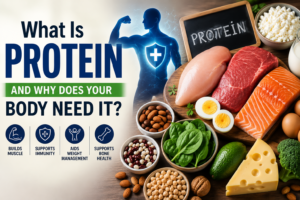
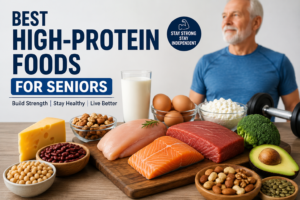
Older adults need adequate protein to help maintain muscle, mobility and independence. NIA guidance recommends obtaining protein from varied sources such as seafood, dairy or fortified soy products, beans, peas, lentils, eggs, poultry and lean meat.
Protein supports muscle strength and independence as well as healthy aging. This guide explains how much protein adults over 60 need each day.
How Often Should You Eat Brain-Healthy Foods?
A practical MIND-style schedule focuses on consistency rather than perfection.
| Food group | Practical target |
| Leafy green vegetables | Most days |
| Other vegetables | At least once or twice daily |
| Berries | Around twice weekly or more |
| Nuts or seeds | A small portion on most days |
| Beans or lentils | Several times weekly |
| Whole grains | Regularly in place of refined grains |
| Fish | About once or twice weekly |
| Poultry, eggs or another lean protein | According to individual needs |
| Olive oil | Use as a main added fat |
| B12-fortified foods | Regularly when intake or absorption may be inadequate |
These targets are flexible. Cultural foods, allergies, dental problems, appetite, kidney disease, diabetes, medication use and personal budget may require adjustment.
What Does a Brain-Healthy Daily Meal Plan Look Like?
A brain-healthy day combines vegetables, protein, fiber-rich carbohydrates, healthy fats and adequate fluids.
Breakfast
- Porridge or oatmeal
- Blueberries or strawberries
- Walnuts or ground flaxseed
- Plain yogurt or fortified soy milk
Lunch
- Lentil and spinach soup
- Whole-grain toast
- Tomato, cucumber and olive-oil salad
Snack
- An apple with unsweetened nut butter
or - Plain yogurt with berries
Dinner
- Baked salmon, sardines or trout
- Broccoli and carrots
- Brown rice, barley or quinoa
- Olive oil and lemon dressing
Vegetarian dinner alternative
- Chickpea and vegetable stew
- Brown rice or whole-grain bread
- Side salad
- A reliable vitamin B12-fortified food
Drinks
- Water
- Unsweetened tea
- Milk or fortified soy milk, where appropriate
Older adults may feel less thirsty than younger adults, making regular fluid intake important. Having water with meals and between meals is often easier than waiting until thirst becomes strong.
For more practical meal combinations, explore the best breakfast, lunch and dinner after 60
Which Foods Should You Limit for Better Brain Health?
Foods do not need to be completely banned, but frequent intake of heavily processed, fried, sugary or saturated-fat-rich products can displace more nutrient-dense choices.
Limit the regular consumption of:
- Deep-fried food
- Processed meats
- Sugary drinks
- Cakes, pastries and sweets
- Large amounts of butter or shortening
- Refined snack foods
- Excessively salty packaged meals
- Frequent fast food
- Excess alcohol
The most effective approach is replacement:
- Replace butter with olive oil
- Replace processed meat with fish, beans, eggs or poultry
- Replace sweets with berries and yogurt
- Replace refined cereal with oats
- Replace chips with unsalted nuts
- Replace sugary drinks with water or unsweetened tea
Although early versions of the MIND diet included moderate wine intake, adults should not begin drinking alcohol for brain health. Alcohol can affect older adults more strongly, interact with medication, worsen balance, and contribute to confusion or memory problems.
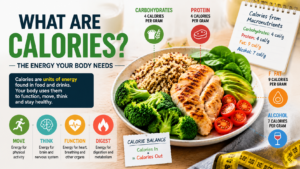
Understanding calories can also make balanced meal planning easier. Read our simple explanation of what calories are.
What Common Brain-Food Mistakes Should You Avoid?
Mistake 1: Searching for one miracle food
No food can independently prevent dementia. Diet quality over months and years matters more than occasionally eating blueberries or walnuts.
Mistake 2: Treating supplements as a replacement for meals
Fish oil, vitamin E, B vitamins and other supplements do not reproduce the complete nutrient mixture found in food. Supplements should address a verified need, not replace vegetables, protein and whole foods.
Mistake 3: Adding healthy foods without replacing less favorable ones
Adding olive oil and nuts may increase energy intake unless they replace butter, processed snacks or other less nutritious foods.
Mistake 4: Starting alcohol because wine appears in older MIND-diet descriptions
Current guidance does not support beginning alcohol consumption for cognitive protection. Older adults may be particularly vulnerable to medication interactions, falls, and confusion.
Mistake 5: Changing leafy-green intake suddenly while taking warfarin
Leafy greens remain nutritious, but people taking warfarin should maintain a consistent vitamin K intake and discuss major changes with a clinician.
Mistake 6: Assuming every memory problem is caused by aging
Memory problems can be connected to medication effects, depression, sleep disorders, thyroid problems, vitamin B12 deficiency, infection, stroke, mild cognitive impairment, or dementia. New, worsening, or disruptive symptoms deserve medical assessment.
Should You Take Supplements for Memory After 60?
Most adults should not begin a “brain supplement” without reviewing it with a doctor, pharmacist or registered dietitian. Supplement marketing is often more confident than the evidence.
Consider professional advice when:
- A blood test confirms vitamin B12 or another deficiency
- A restrictive diet creates a predictable nutrient gap
- A medical condition affects nutrient absorption
- Medication may interact with a supplement
- Swallowing, appetite, or weight loss makes food intake difficult
- Memory symptoms are new or becoming worse
Important evidence limitations include:
- Omega-3 supplements have not consistently improved cognition in healthy older adults.
- Vitamin B12 does not improve energy or memory in people who already receive enough, although treating deficiency is essential.
- Most trials of folic acid and B-vitamin combinations have not shown broad protection against cognitive aging.
- High-dose supplements may interact with blood thinners and other medicines.
A food-first pattern with targeted treatment of genuine deficiencies is more evidence-aligned than buying multiple unverified memory products.
What Is the Key Takeaway?
The best brain foods after 60 are leafy greens, berries, oily fish, nuts, seeds, beans, lentils, whole grains, colorful vegetables, olive oil, and appropriate sources of vitamin B12.
The most important principles are:
- Follow a Mediterranean- or MIND-style pattern rather than chasing one superfood.
- Eat vegetables daily and vary their colors.
- Include berries regularly.
- Replace some meat with fish, beans and lentils.
- Choose unsaturated fats instead of butter and fried foods.
- Obtain enough protein and vitamin B12.
- Limit heavily processed foods, added sugar, excess sodium and alcohol.
- Review supplements and major dietary changes with a health professional.
- Combine nutrition with exercise, sleep, blood pressure management, social activity and medical care.
Diet can support healthy aging, but it cannot guarantee dementia prevention. The most credible goal is to improve the overall conditions that help the brain and cardiovascular system function well.
Nutrition works best alongside regular movement. A safe walking routine for adults over 60 can support cardiovascular health, mobility, and independence.
What Questions Do People Ask About Brain Foods After 60?
Can food prevent dementia?
No food or diet has been proven to prevent dementia completely. Mediterranean and MIND-style diets are associated with healthier cognitive aging in many studies, but randomized-trial evidence remains mixed.
What is the single best food for memory?
There is no single best food. Leafy greens, berries and oily fish are useful choices, but a varied dietary pattern is more important than any individual ingredient.
How often should adults over 60 eat fish?
One or two fish meals per week is a practical target for many adults. Choose oily fish such as salmon, sardines, trout, herring or mackerel when suitable.
Are eggs good for the aging brain?
Eggs can be part of a balanced diet. They provide protein, vitamin B12 and choline, but they have not been proven to prevent memory loss on their own.
Are walnuts better than other nuts?
Walnuts provide plant omega-3 fat, while almonds, pistachios, peanuts and other nuts provide different combinations of unsaturated fat, vitamin E, fiber and minerals. Variety is a sensible approach.
Should older adults take vitamin B12?
Some older adults need fortified foods or supplements because B12 absorption can decline with age. Testing and professional advice are especially important for vegans, metformin users, people taking acid-suppressing medication, and those with absorption disorders.
Is coffee good for brain health after 60?
Moderate unsweetened coffee can fit into a healthy diet for many people, but it is not a dementia treatment. People with insomnia, anxiety, reflux, heart-rhythm problems, or medication concerns may need to limit caffeine.
When should a doctor check memory problems?
Seek medical assessment when memory changes are new, worsening, interfere with everyday tasks, cause confusion, affect medication management, or are noticed by family members. Sudden confusion requires urgent medical attention.
Sources and References
- Cognitive Health and Older Adults — National Institute on Aging
- What Do We Know About Diet and Prevention of Alzheimer’s Disease? — National Institute on Aging
- MIND and Mediterranean Diets Linked to Fewer Signs of Alzheimer’s Brain Pathology — National Institute on Aging
- Healthy Eating, Nutrition and Diet for Older Adults — National Institute on Aging
- Trial of the MIND Diet for Prevention of Cognitive Decline in Older Persons — The New England Journal of Medicine
- Green Leafy Vegetables and Cognitive Decline — PubMed
- Berry and Flavonoid Intake in Relation to Cognitive Decline — PubMed
- Mediterranean Diet and Age-Related Cognitive Decline — PubMed
- Omega-3 Fatty Acids: Health Professional Fact Sheet — NIH Office of Dietary Supplements
- Vitamin B12: Consumer Fact Sheet — NIH Office of Dietary Supplements
- Folate: Health Professional Fact Sheet — NIH Office of Dietary Supplements
- Vitamin K: Health Professional Fact Sheet — NIH Office of Dietary Supplements
- Do Memory Problems Always Mean Alzheimer’s Disease? — National Institute on Aging
- Facts About Aging and Alcohol — National Institute on Aging
- Warfarin Drug Information and Food Interactions — MedlinePlus
Medical disclaimer: This article is for general educational purposes and does not replace personalised medical advice. Older adults should consult a qualified healthcare professional before making major dietary changes or starting supplements, especially when taking prescription medication.